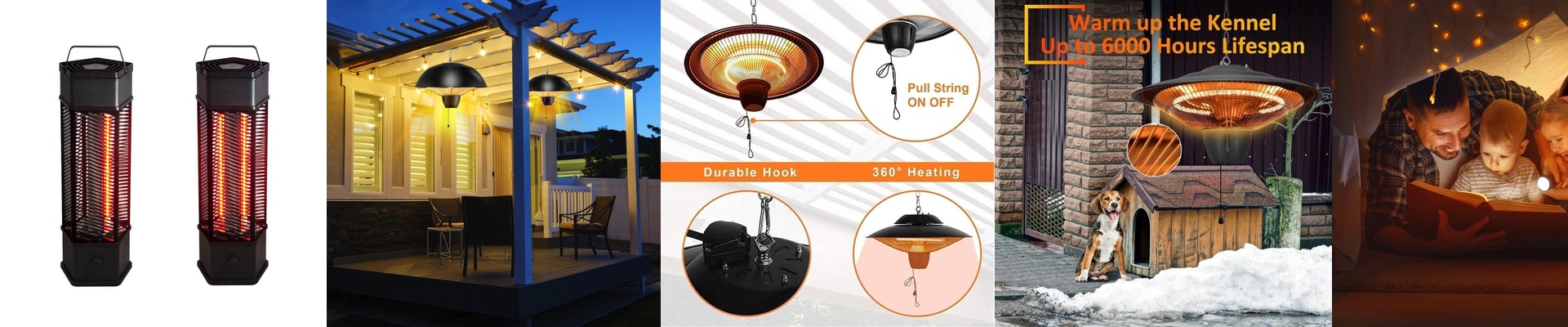
When the wind takes a mean turn, a dog’s shelter stops being just a den and becomes a lifeline. A cold dog house means shivering nights, lousy sleep, and a real hit to overall well-being. We built our infrared dog house heater to fix that, with one clear goal: deliver dependable warmth using straightforward materials and a clean design, so more pets can stay cozy—no matter where they live.
What matters, under the hood
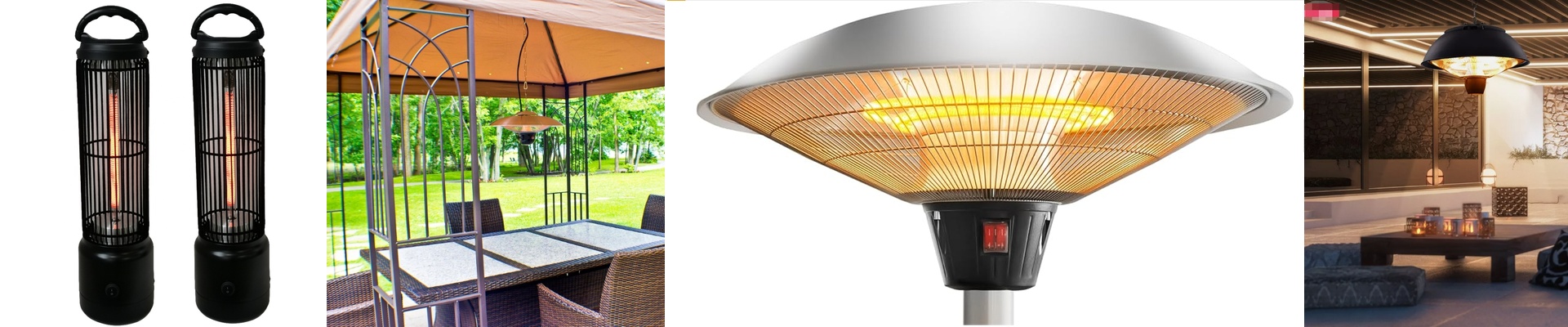
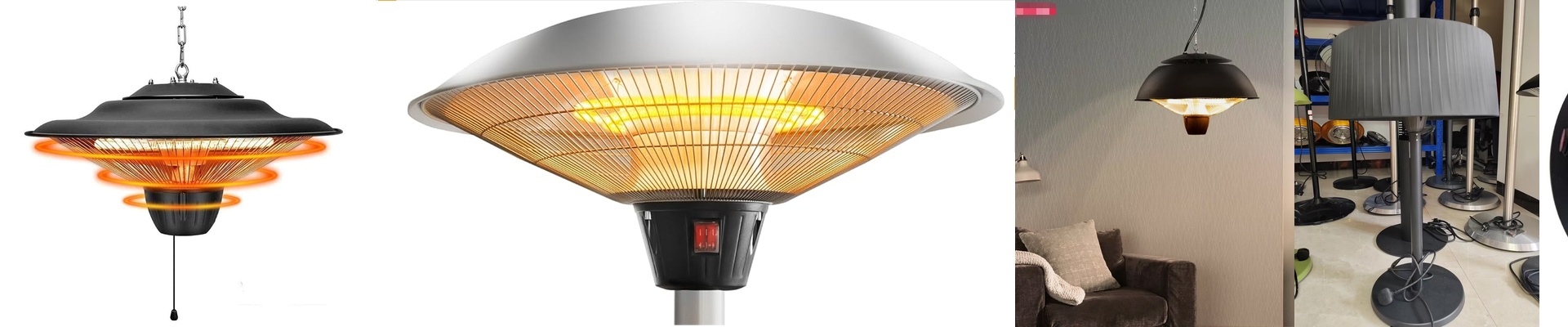
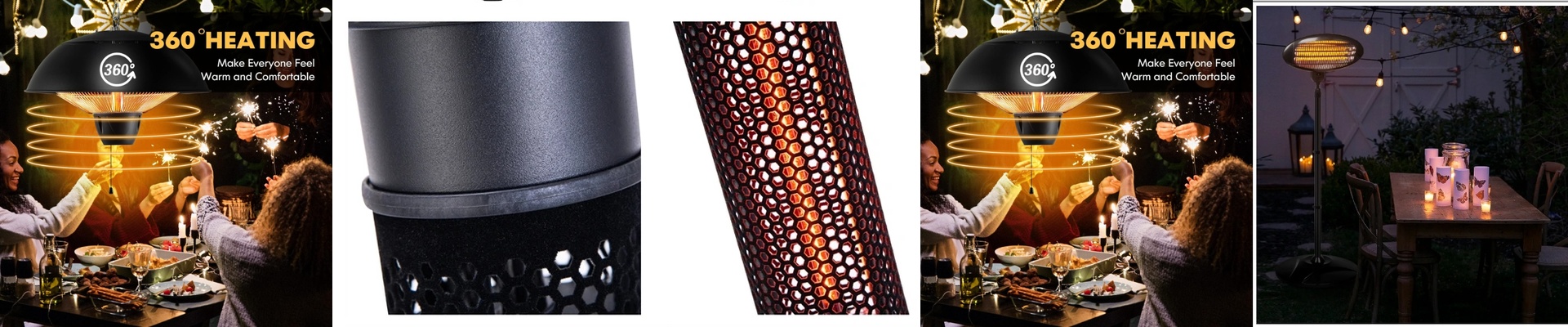
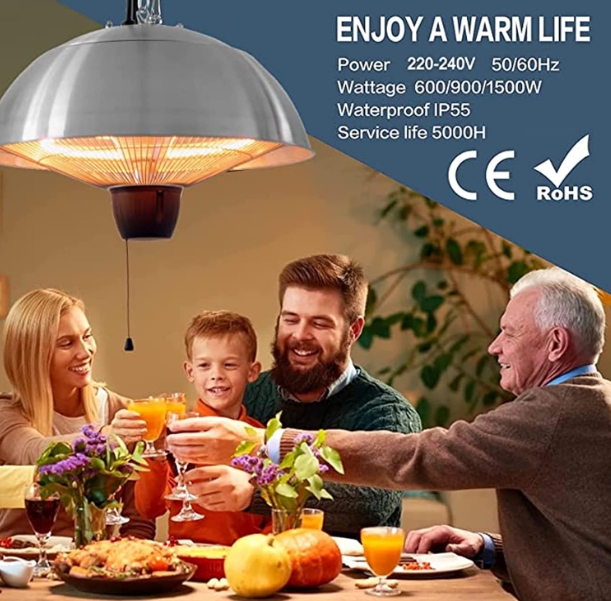
This is a compact electric infrared heater, engineered for small, enclosed outdoor spaces. It uses a quartz-tube element to put out radiant heat—infrared warmth that travels through the air and heats surfaces and bodies directly, the same way the sun warms your skin. The payoff is immediate warmth, not just moving air, and it doesn’t kick up dust or dry out the space the way forced-air heaters do. It runs on standard household voltage, pulls modest power, and the footprint is sized to fit inside most dog houses without crowding. A built-in thermostat holds the temperature steady, and tip-over protection shuts the unit off if it gets knocked over. The outer housing stays cool to the touch, and the heater is rated for outdoor use, with an IP rating to handle damp conditions.
Why this approach fits a dog house
A dog house is basically a small thermal box, and it bleeds heat fast when the mercury drops. Radiant warmth hits the spots that matter—bedding, the floor, and your dog’s body—so the interior stays steady instead of swinging wildly. Because the heater warms objects, comfort holds up even when the air outside is moving. You end up with a warmer, drier shelter and fewer drafts. That means better rest, support for healthy circulation, and less stress when the nights turn cold. The design stays simple and tough, with fewer moving parts to wear out, so it can take the reality of life outdoors.
The practical details
Position the heater where your dog can’t bump it, and keep it clear of bedding and walls. Route the power cord safely—protect it from chewing and pinching—and plug into a grounded outlet. The thermostat does its job best when the heater sits level and unobstructed, so airflow around the unit stays consistent. If the shelter is very large or drafty, you may need a second heat source or added insulation. This heater is designed for comfort, not to stand in for proper shelter upgrades.