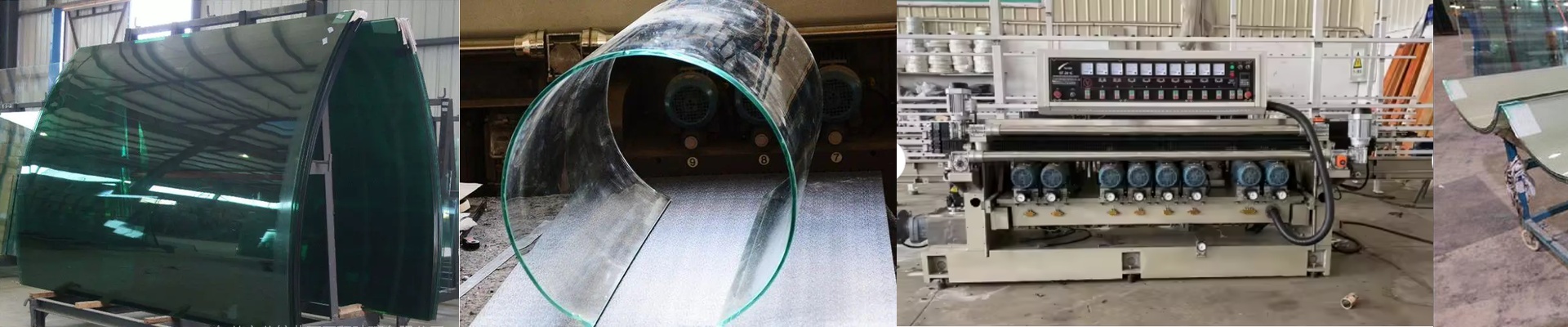
On the line, borosilicate doesn’t forgive uneven heat. A sloppy thermal profile comes back as optical distortion after bending, thermal stress cracks after tempering, and weak edges after lamination. When the heating misses, you’re scrapping glass, burning time, and chasing rework.
What actually matters
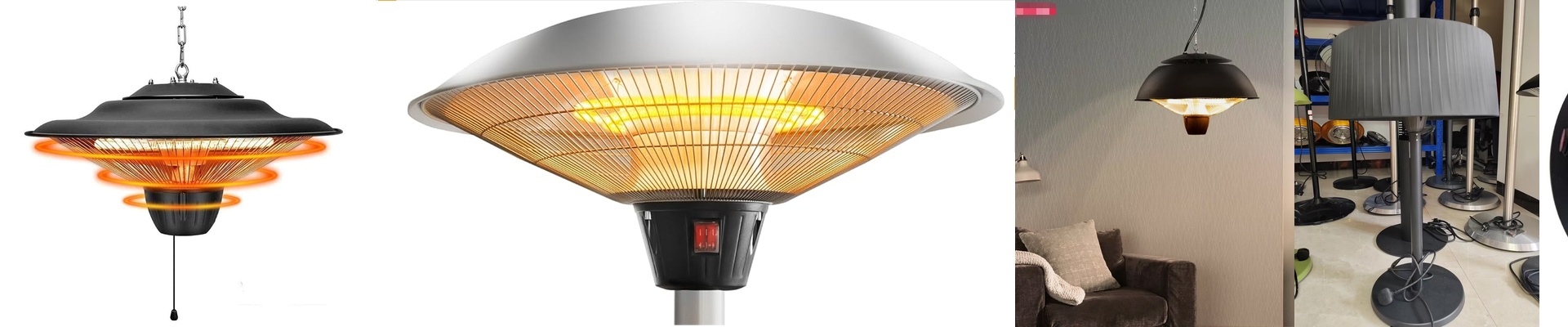
We spec our infrared lamps for borosilicate with a short-wave design—built for fast, controlled energy delivery. Quartz envelopes and tungsten filaments give you tight spectral control, matching the material’s emissivity so absorption stays efficient. Power density is matched to the process window, and the heating zone is engineered for uniformity, not hot spots. You get repeatable ramp rates, stable soak temperatures, and a thermal field that keeps the glass flat across the belt.
Why this works in the real processes
In bending, the lamp spools up fast and holds the sag zone steady, so the glass follows the mold without wrinkles or thinning. In tempering, it delivers the high heat flux needed for surface compression—cleaner break patterns, better safety performance. For EVA and SGP lamination, it cures the interlayer evenly, so you don’t fight bubbles and edge voids. For coating drying and insulating glass sealing, it hits the right surface temperature to drive off solvents and set the primary seal without overheating the glass. The payoff is faster cycles, fewer rejects, and less scrap.
The details that keep you out of trouble
These lamps drop into standard fixtures, but alignment and focal distance matter. Keep reflectors clean, confirm voltage stability, and match the lamp to glass thickness and line speed. Closed-loop sensors make temperature control behave. Just know this: running at very high power shortens lamp life. Plan replacement intervals up front so you don’t get blindsided by downtime.
라인에서 보로실리케이트는 열 불균일을 용납하지 않는다. 부적절한 열 프로파일은 굽힘 후 광학 왜곡, 강화 후 열응력 균열, 적층 후 약한 모서리로 되돌아온다. 가열이 제대로 되지 않으면 유리를 폐기하고, 시간을 낭비하며, 재작업을 쫓게 된다.
실제로 중요한 점
보로실리케이트 용 적외선 램프는 단파(short-wave) 설계로 규격화되어 빠르고 제어된 에너지 전달이 가능하다. 쿼츠 봉투와 텅스텐 필라멘트는 엄격한 스펙트럼 제어를 제공하여 재료의 방출률(emissivity)에 맞춰 흡수가 효율적으로 유지된다. 전력 밀도는 공정 창(process window)에 맞게 조정되고, 가열 구역은 국부 과열 없이 균일성을 유지하도록 설계된다. 반복 가능한 상승 속도, 안정적인 유지 온도, 그리고 벨트 전체에 걸쳐 유리를 평탄하게 유지하는 열장(field)을 제공한다.
실제 공정에서의 작동 원리
굽힘 공정에서는 램프가 빠르게 출력에 도달하여 처짐 영역을 안정적으로 유지함으로써 유리가 주름이나 얇아짐 없이 몰드에 맞춰진다. 강화 공정에서는 표면 압축에 필요한 높은 열유속을 제공하여 파손 패턴이 깨끗해지고 안전 성능이 향상된다. EVA와 SGP 적층에서는 접합층을 고르게 경화시켜 기포와 가장자리 빈 공간 문제를 방지한다. 코팅 건조 및 복층유리 실링에서는 적절한 표면 온도에 도달하여 용제를 제거하고 1차 실링을 설정하되 유리 과열을 방지한다. 결과적으로 사이클이 빨라지고 불량품과 폐기물이 감소한다.
문제를 방지하는 세부 사항
이 램프들은 표준 고정구에 장착할 수 있으나, 정렬 및 초점 거리가 중요하다. 반사경을 청결하게 유지하고 전압 안정성을 확인하며, 램프를 유리 두께와 라인 속도에 맞게 조정해야 한다. 폐쇄 루프 센서가 온도 제어를 정밀하게 수행하게 한다. 주의할 점은 매우 높은 출력으로 운용하면 램프 수명이 단축된다는 것이다. 다운타임이 갑자기 발생하지 않도록 교체 주기를 사전에 계획해야 한다.