On the line, borosilicate doesn’t forgive uneven heat. A sloppy thermal profile comes back as optical distortion after bending, thermal stress cracks after tempering, and weak edges after lamination. When the heating misses, you’re scrapping glass, burning time, and chasing rework.
What actually matters
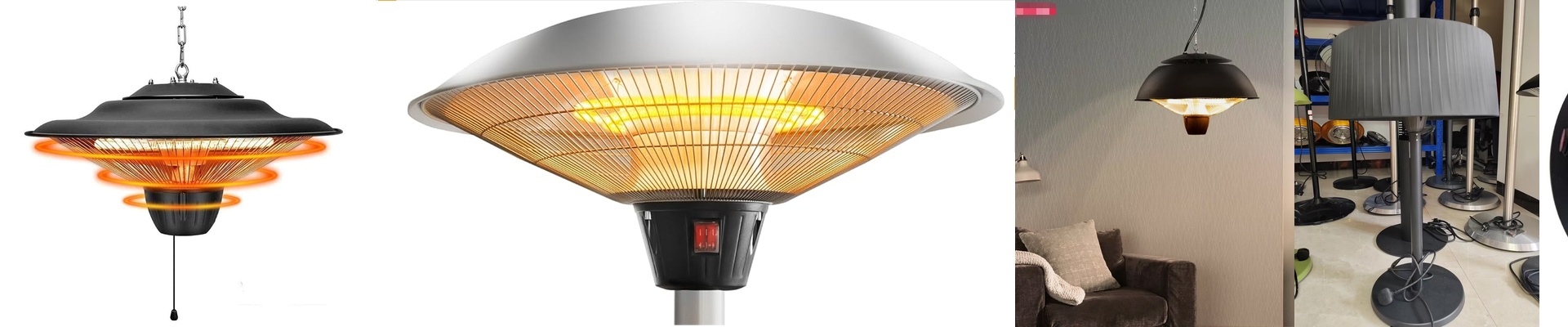
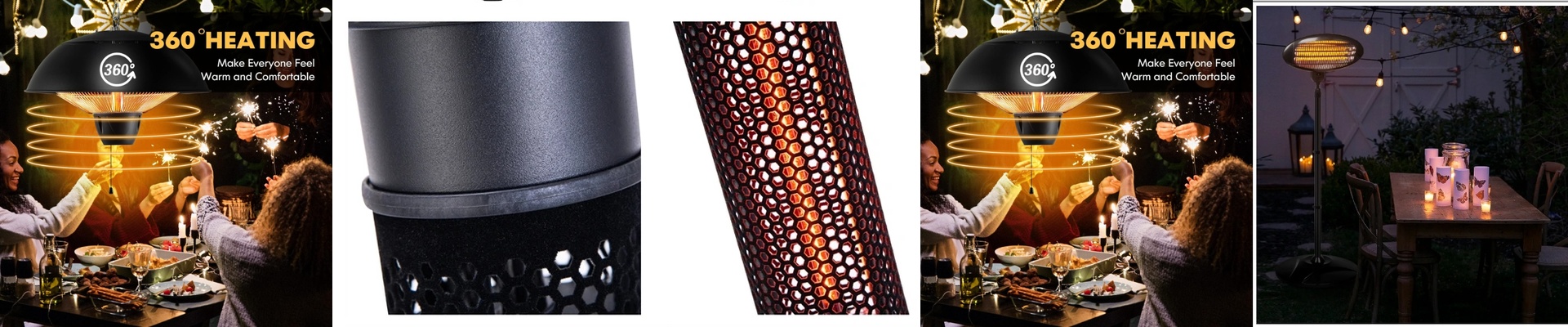
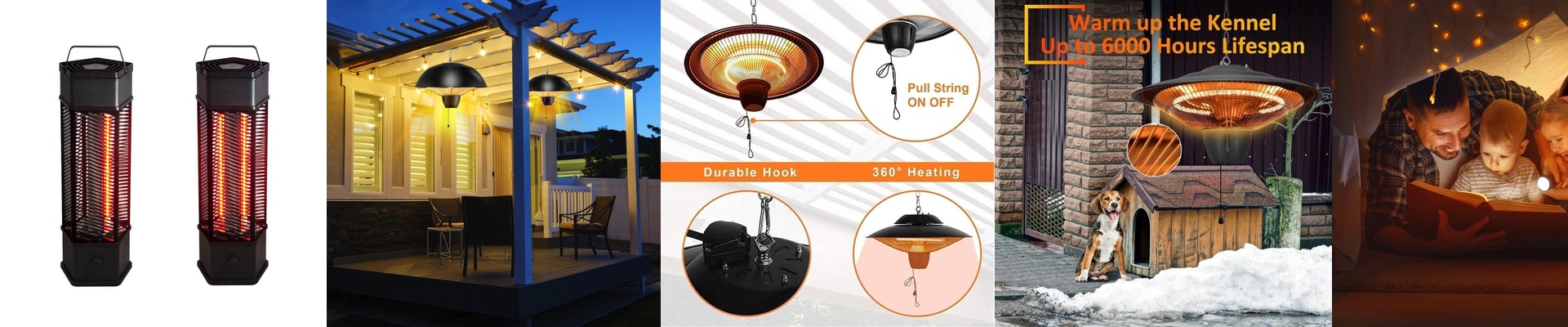
We spec our infrared lamps for borosilicate with a short-wave design—built for fast, controlled energy delivery. Quartz envelopes and tungsten filaments give you tight spectral control, matching the material’s emissivity so absorption stays efficient. Power density is matched to the process window, and the heating zone is engineered for uniformity, not hot spots. You get repeatable ramp rates, stable soak temperatures, and a thermal field that keeps the glass flat across the belt.
Why this works in the real processes
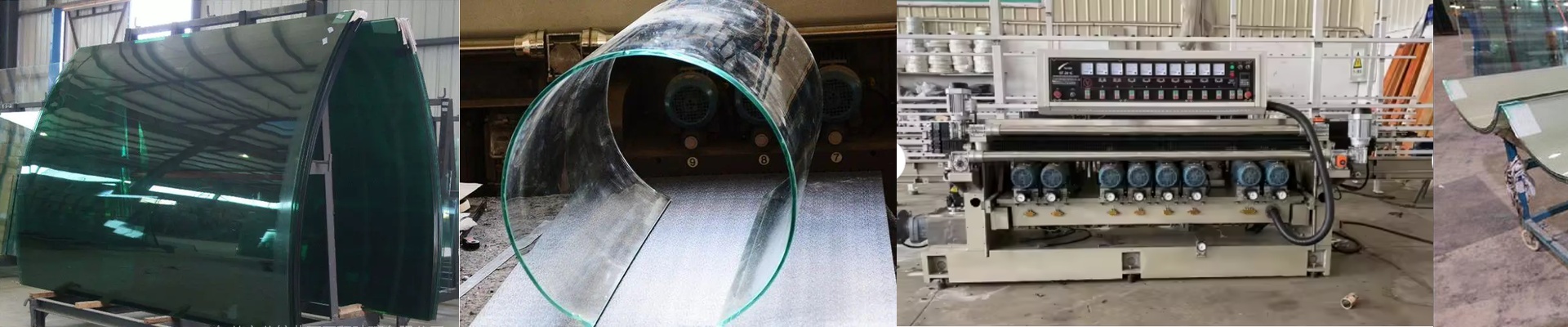
In bending, the lamp spools up fast and holds the sag zone steady, so the glass follows the mold without wrinkles or thinning. In tempering, it delivers the high heat flux needed for surface compression—cleaner break patterns, better safety performance. For EVA and SGP lamination, it cures the interlayer evenly, so you don’t fight bubbles and edge voids. For coating drying and insulating glass sealing, it hits the right surface temperature to drive off solvents and set the primary seal without overheating the glass. The payoff is faster cycles, fewer rejects, and less scrap.
The details that keep you out of trouble
These lamps drop into standard fixtures, but alignment and focal distance matter. Keep reflectors clean, confirm voltage stability, and match the lamp to glass thickness and line speed. Closed-loop sensors make temperature control behave. Just know this: running at very high power shortens lamp life. Plan replacement intervals up front so you don’t get blindsided by downtime.