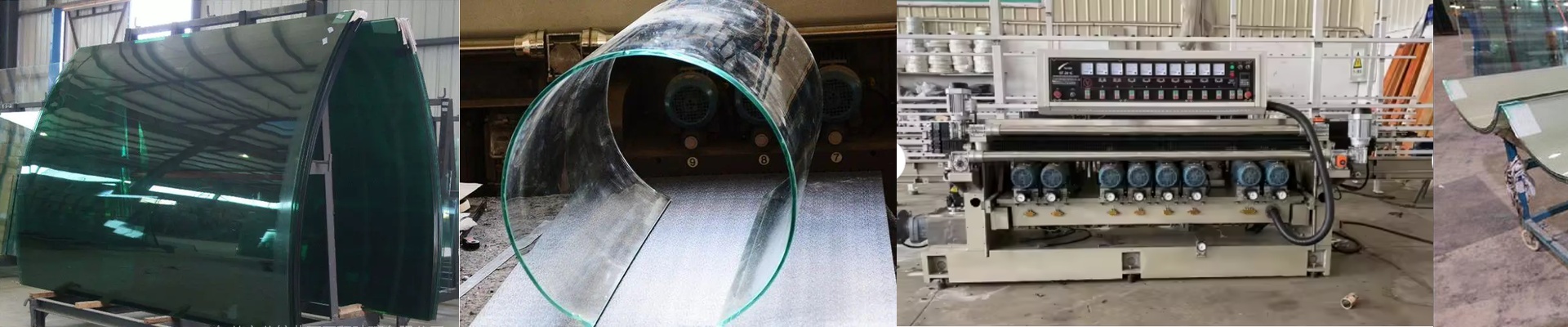
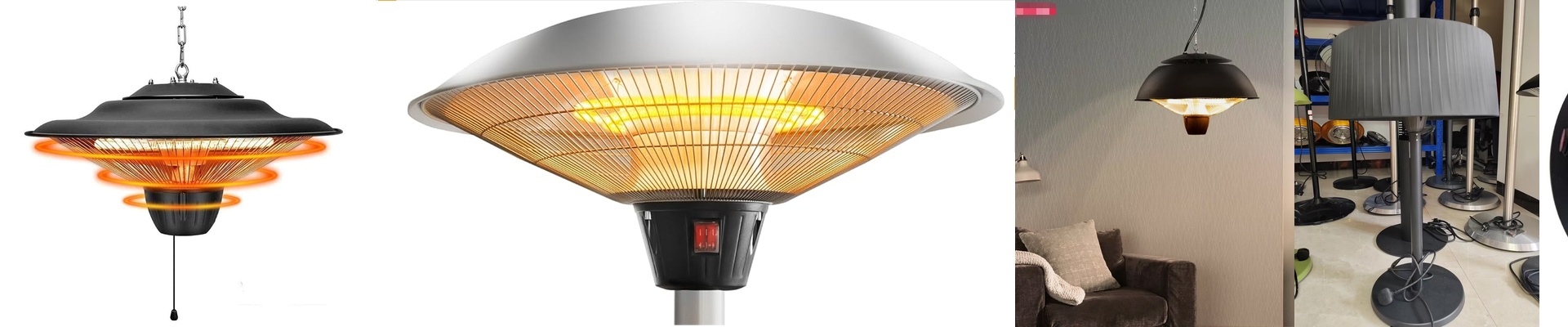
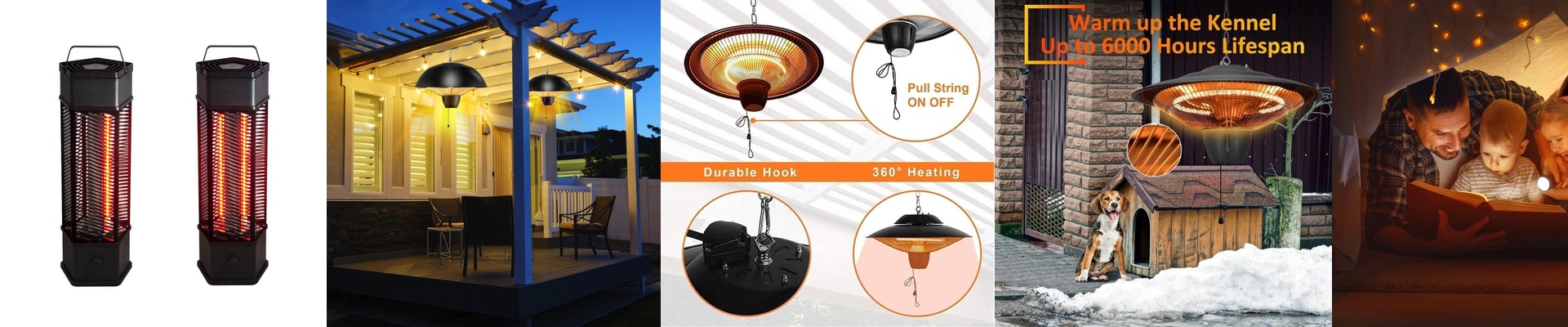
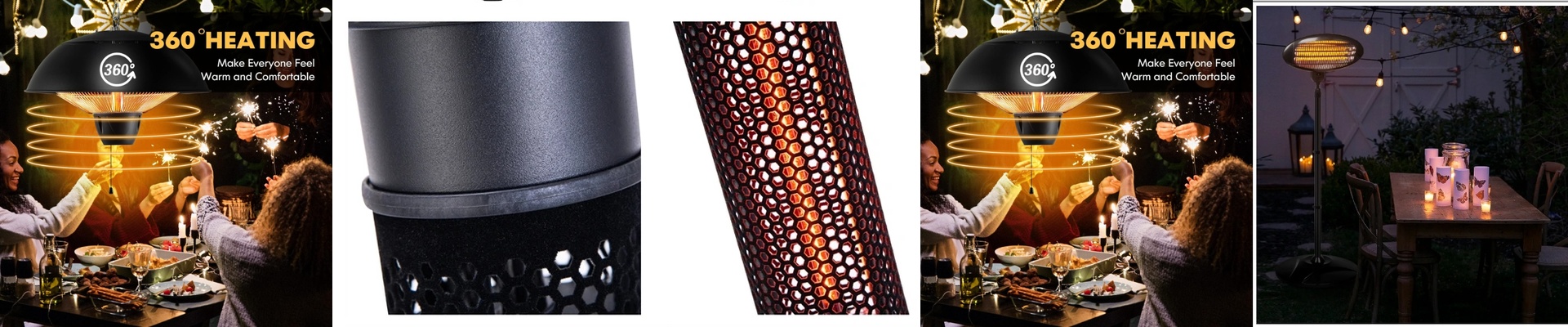
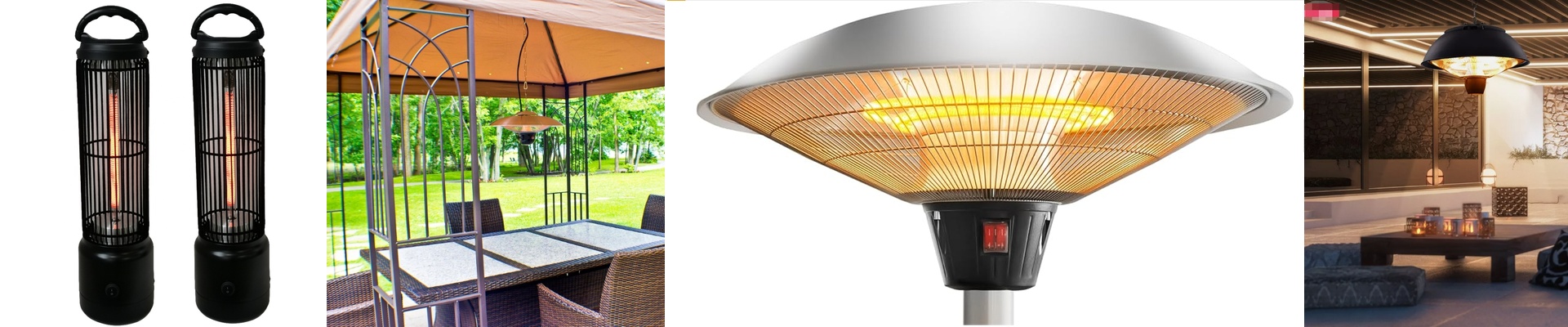
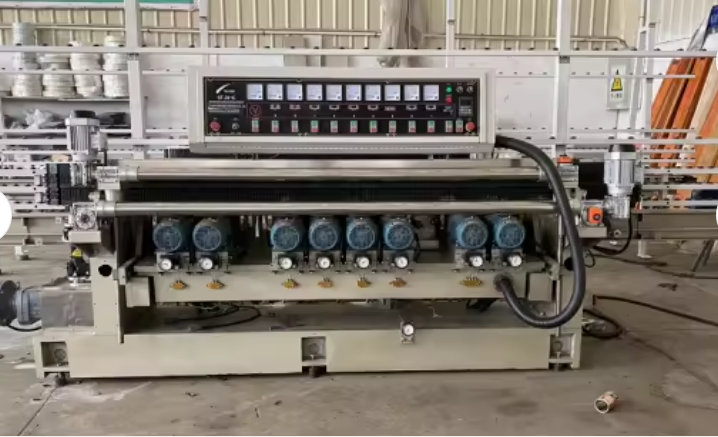
On the coating line, that hot-end heater isn’t just warming glass. It’s what keeps the whole process honest. If the thermal field is off, you’ll get stress fractures, warping, and optical distortion that don’t show up until you’re looking at rejects. So we build hot-end coating heaters around uniform heating, not chasing peak temperature. What matters under the hood We lean on quartz infrared emitters with tight emissivity control so the thermal profile stays stable across the glass. The heater layout and reflector geometry are tuned to cut hot spots and edge losses, so the coating sees consistent energy density. Power and voltage options line up with existing coating machines, and the mounting and terminals are standardized so you can swap it in with minimal rework. Response is fast, which trims soak time and keeps cycle time steady. Here’s why it holds up on the floor: uniform heat lowers thermal stress during coating, which directly cuts the risk of breakage and shape drift. You end up with fewer optical defects, higher first-pass yield, and less scrap from rework. Energy use drops because the system heats quickly and holds the set point without overshoot. On tempering, bending, and lamination lines that run high volume, that means more consistent coating adhesion and repeatable color and thickness, shift after shift. A couple of practical notes. Installation comes down to clearance and airflow—keep the heater face clean and make sure the cooling is right to protect emitter life. It’s compatible with most coating lines, but we still verify glass size, line speed, and the control interface before we set anything in stone. Once the thermal profile is locked in, uptime picks up. Just plan on inspecting connections and insulation as part of routine maintenance.