
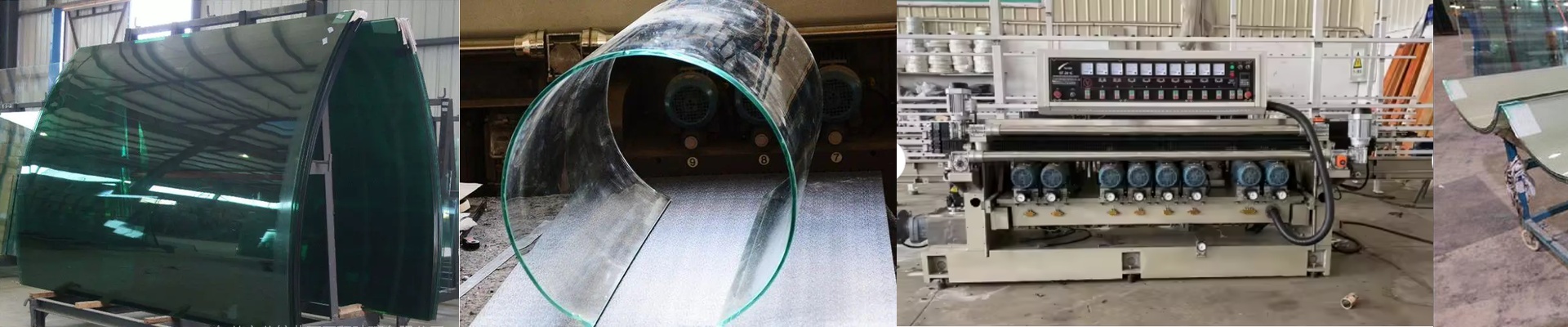
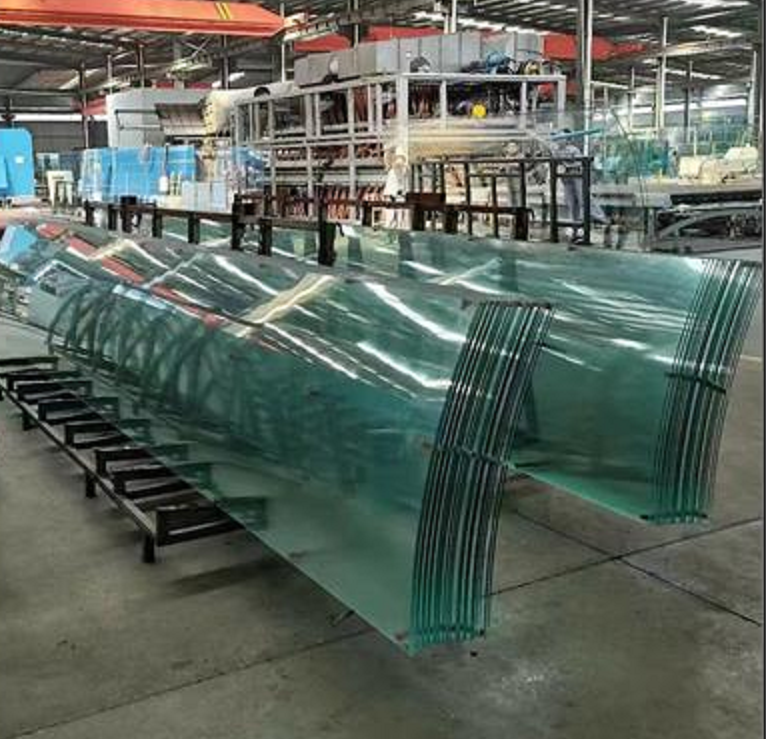
On the lamination line, EVA and SGP interlayers need heat delivered exactly right. Too slow, and throughput grinds to a halt. Too uneven, and you’re chasing bubbles, optical issues, and expensive rework. Convection ovens just can’t keep up with the pace of modern automotive and architectural glass lines. So we built an infrared drying module that hits the thermal profile—consistently, cycle after cycle. What matters technically We run short-wave infrared (NIR) emitters with high radiant power density, putting up to 60 kW/m² right at the glass surface for fast energy transfer. Warm-up is quick—full operating temperature in under 90 seconds—so the line doesn’t sit idle when you change over. Across a 2.5 m × 3 m irradiation zone, temperature uniformity stays within ±2.5%, which helps keep thermal stress and edge problems in check. Closed-loop control holds target surface temperature to ±3°C, and you can dial power density from 20% to 100% to match 3–12 mm glass thicknesses and different interlayer stacks. Here’s why it works in practice. In EVA/SGP lamination, the interlayer has to hit the right viscosity fast and evenly, so you squeeze out trapped air before pressure goes on. Infrared penetrates the interlayer and heats from within, shaving cycle time by 25–40% compared with convection. The payoff is fewer voids, solid optical clarity, and adhesion you can count on. For high-volume automotive and safety glass plants, that means higher yield, less scrap, and lower energy per part. The module drops right into existing presses and autoclaves, so you can modernize without ripping the line apart. A few things to keep in mind. Infrared drying is line-of-sight, so the glass geometry has to play nicely with the irradiation pattern. We usually pair the unit with a synchronized conveyor and adjustable emitter height to cover flat and gently curved parts. You’ll need a clean, dry power supply and a dedicated cooling circuit for the emitters and optics. Setup starts with mapping emissivity for coated or low-e glasses, so you can tune the power curve and avoid hot spots. Once that’s dialed in, the process runs with minimal drift.