
After spending time in 2,000 European homes, one pattern kept showing up: people want heat that hits fast, holds steady, and fits their routine—especially when they’re on the move. Cold starts, long commutes, and weekend trips all need warmth that doesn’t make you wait around. A heater that’s slow kills comfort. One that’s loud kills focus. One that’s bulky kills space.
What matters under the hood
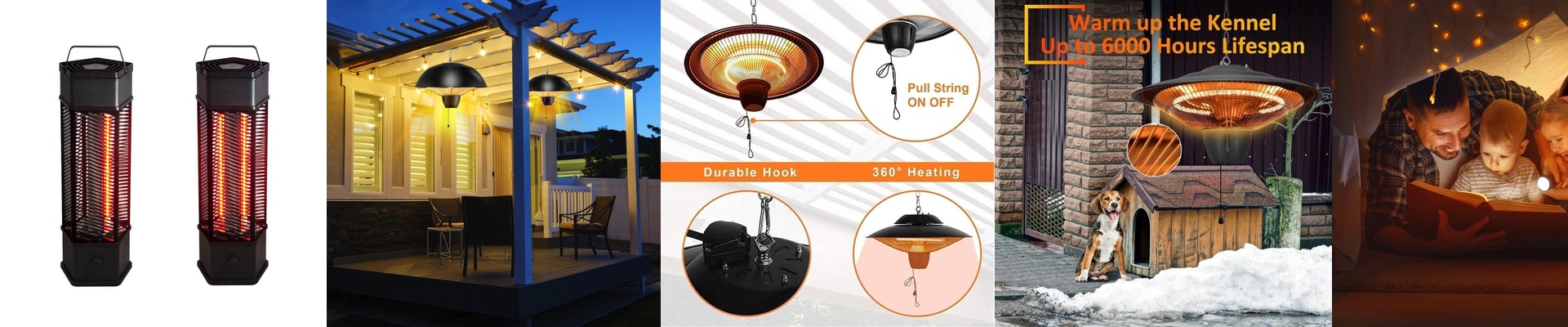
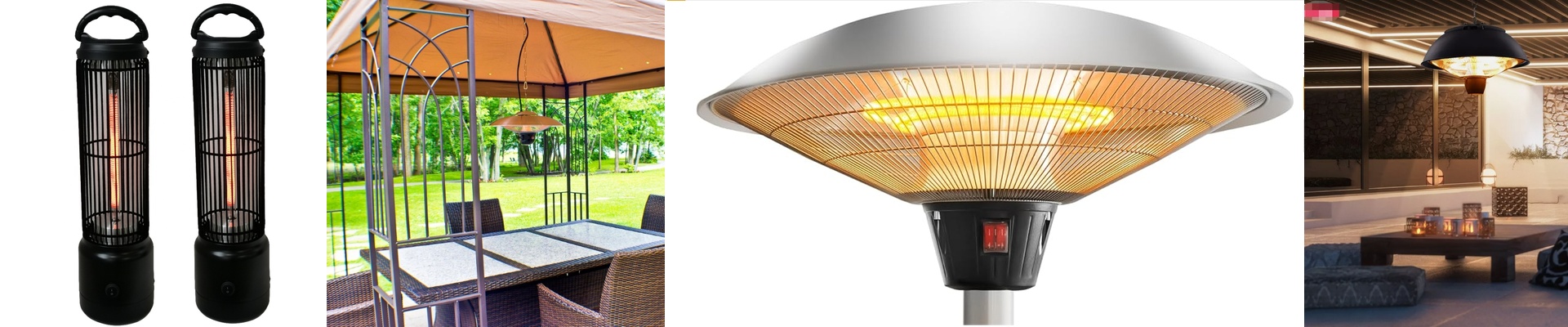
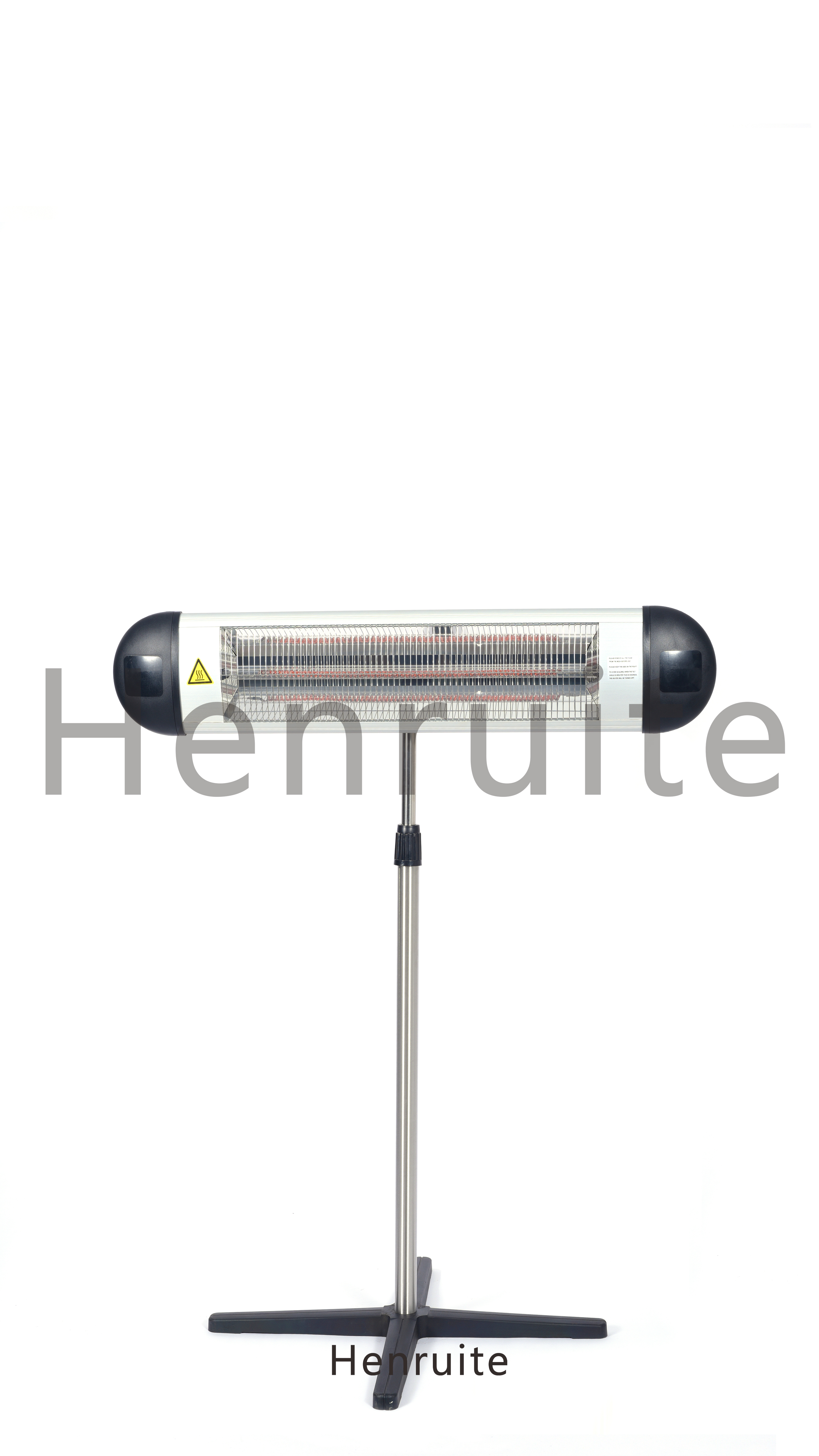
We built our portable car heater around radiant infrared warmth, using a quartz tube to deliver short-wave heat that warms people and surfaces directly, instead of trying to heat the whole cabin air. In practice, that means you feel the heat within seconds, not minutes. It runs on 12V vehicle power, draws 200W, and is only 18 cm long, so it slips into cup holders, door pockets, or under the seat. A simple rotary knob handles power and thermostat settings, and built-in tip-over protection shuts the unit off if it gets knocked over.
Why this approach fits the road
This design keeps pace with the way people actually travel. On a frosty start, you get immediate infrared warmth that helps keep hands steady and reactions sharp. On longer drives, the steady heat means you don’t have to lean so hard on the vehicle’s main heater, which can dry out cabin air and pull warmth from the engine. Because the heater warms you directly, comfort stays consistent without overheating the interior, and it runs quietly—no fan noise—so conversations, music, and concentration stay intact.
The details that matter in real use
Think about placement first: aim the heater toward the driver or passenger, not at the windshield, and keep it clear of seat covers and loose items. It’s designed for 12V sockets, not 24V trucks, and it performs best when plugged into a circuit that can handle a 200W load. In very humid conditions, infrared heat can feel less intense on exposed skin, so use a light layer and adjust the distance as needed.