

More Than Just a Warm Bathroom
When most of us think about those heating lamps in the bathroom, we just think about not shivering when we step out of the shower. It’s a luxury, right? But if you look under the hood, there’s some pretty cool stuff happening with how we handle moisture and heat.
Why air heaters aren’t enough
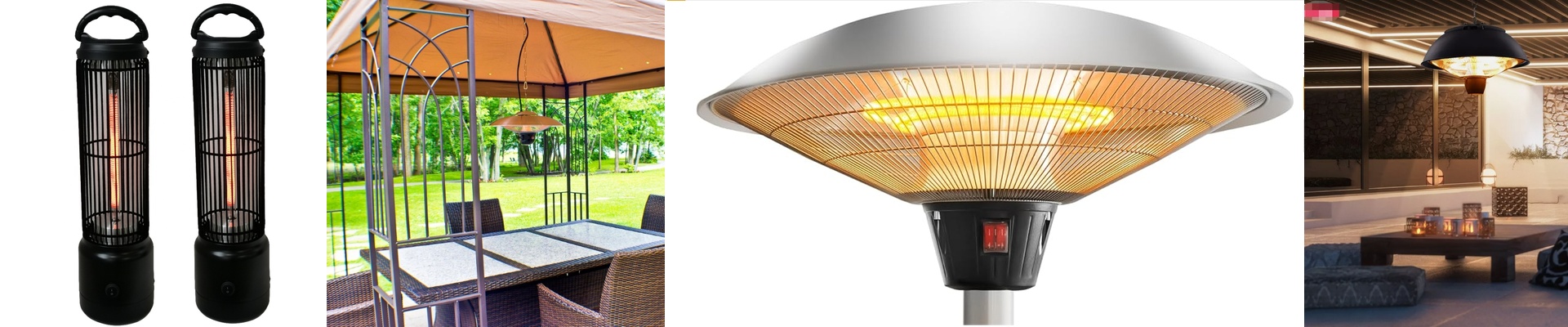
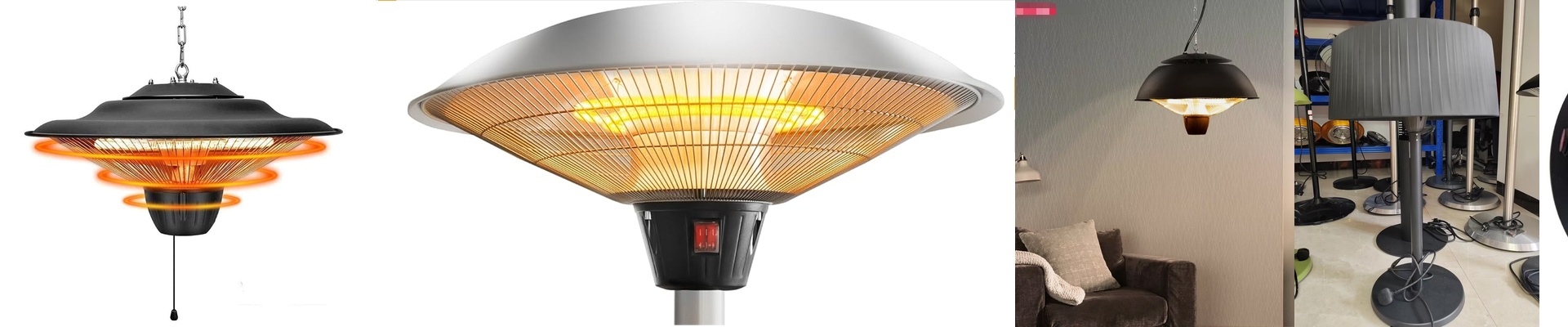
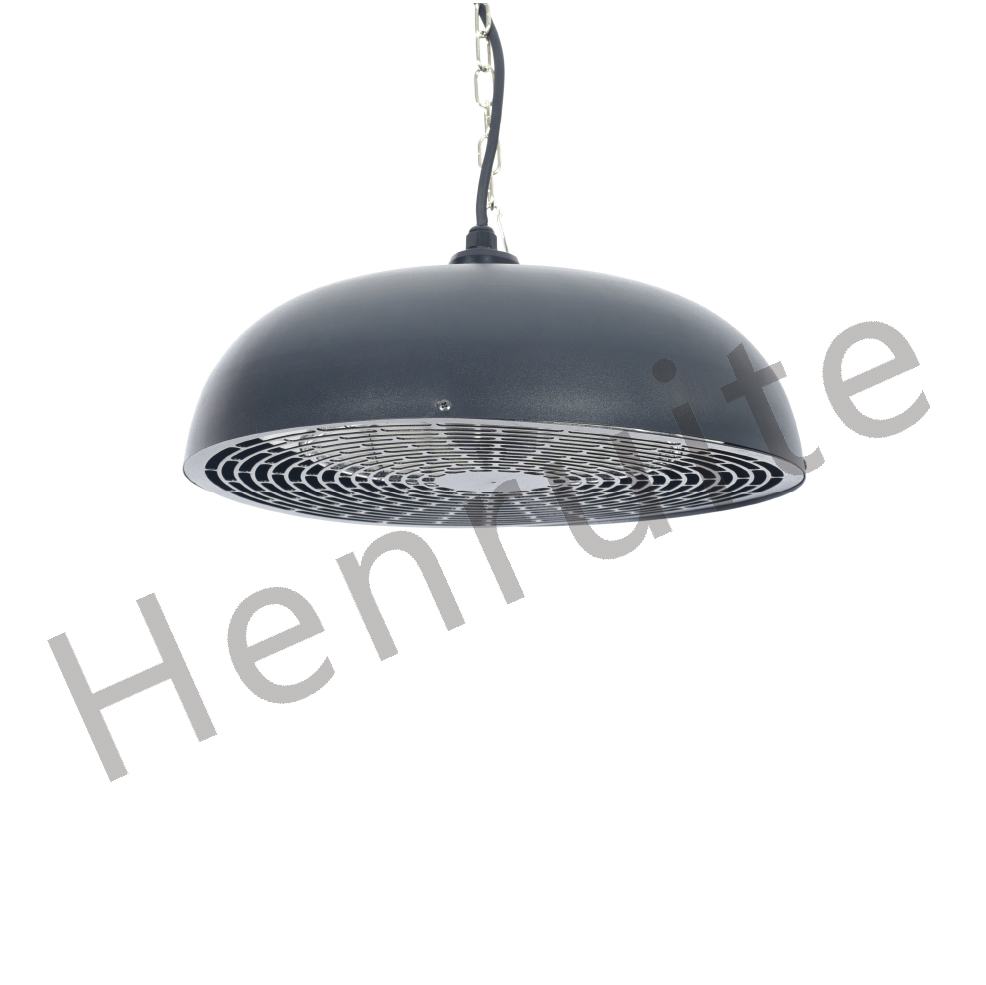
Most heaters just warm up the air. But here’s the problem: warm, humid air loves to drift into cold corners. Once it hits a chilly wall, it turns back into water. That’s how you get those damp spots where mold decides to move in and take over. We do things differently with short-wave infrared. Instead of fighting with the air, these lamps beam energy straight onto your walls, floors, and ceilings. If the surface stays warm, the water can’t settle. No condensation. No dampness. No mold feast.
The “Dry-Out” Effect
We’ve tuned these lamps to hit a very specific frequency. They don’t just sit on the surface; they actually penetrate the material. Think of it as shaking the water molecules inside the wall, forcing that hidden moisture back out into the air. Once it’s airborne, your vent fan can actually do its job and pull it out of the room. It’s basically a backup dehumidifier that you don’t even have to think about.
Getting the balance right
You can’t just slap a massive, high-wattage bulb into a tiny bathroom and call it a day. That’s a recipe for disaster. Too much power in a small space can fry your wiring or overheat the junction box in your ceiling. It’s a balancing act. You have to match the wattage to the size of the room and—this is the important part—the strength of your exhaust fan. If your fan is weak, you’re just moving the dampness around in circles. The goal is to keep the whole room at a steady temperature. It kills those “cold bridges” in the corners, which is usually where the mold starts. It just keeps everything crisp, dry, and comfortable.