Keeping Your Workshop Warm Without Fighting the Wind
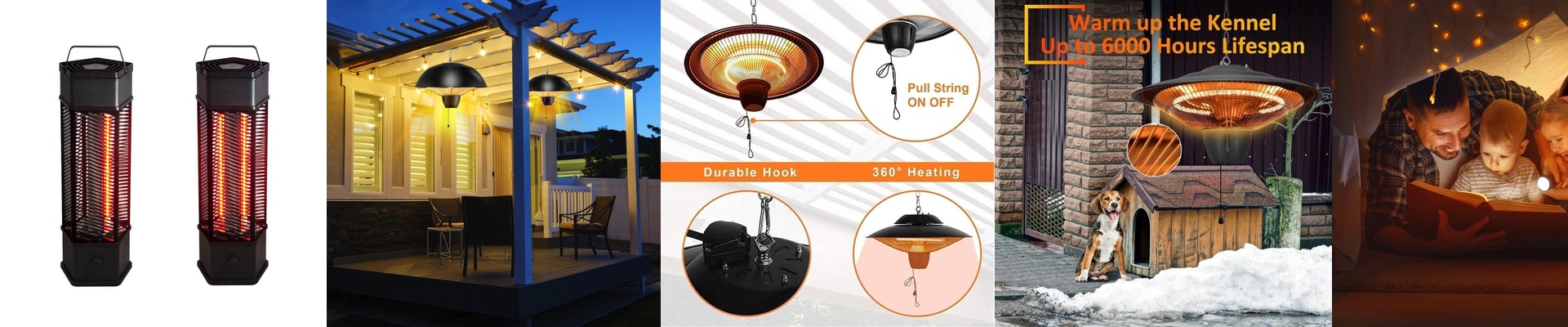
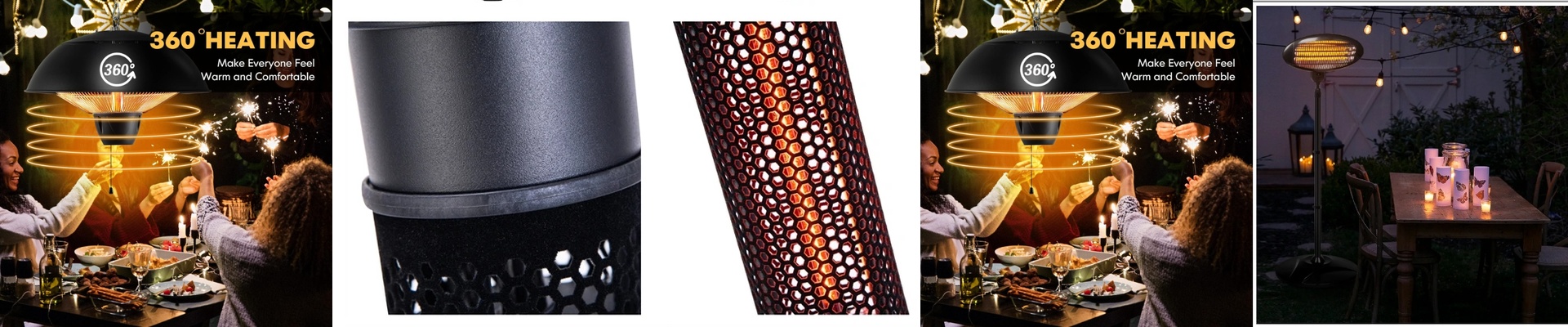
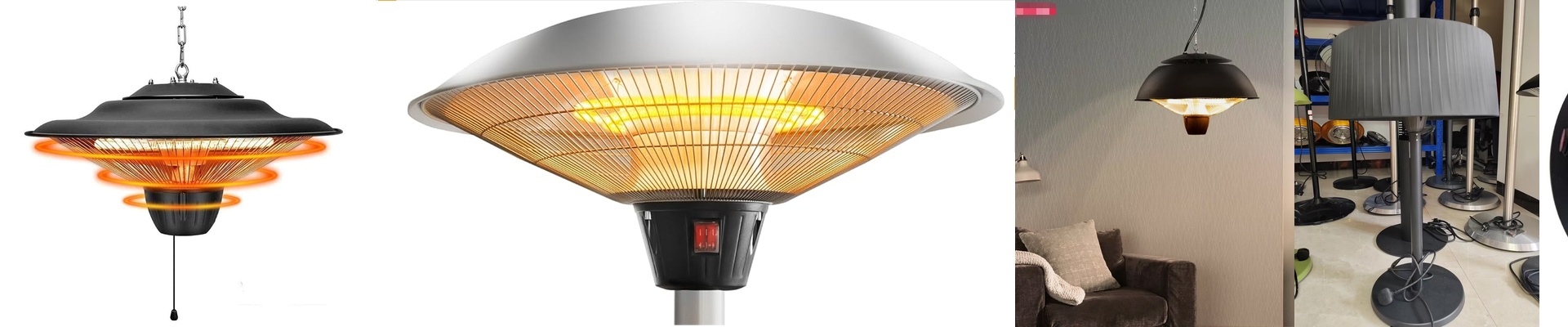
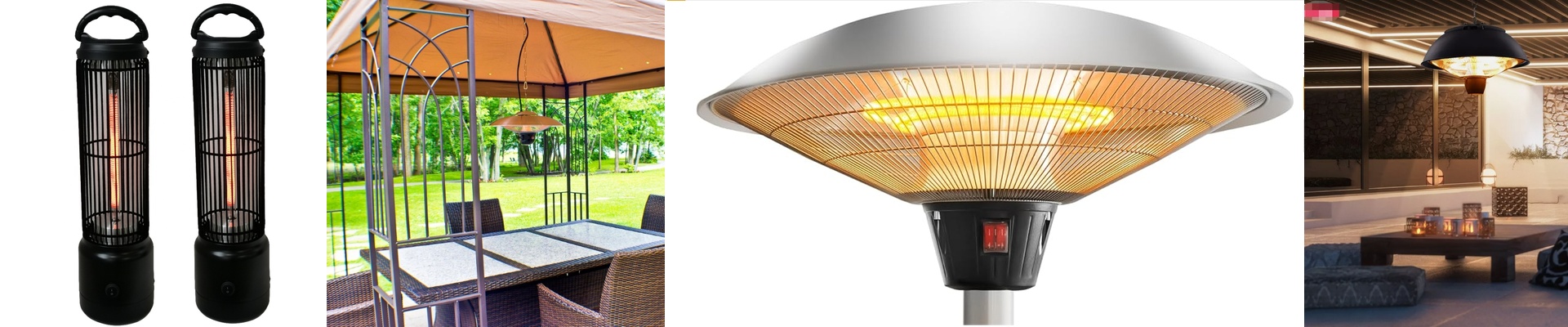
Ever step into a freezing changing area and wish you could just… be warm? Right now? That’s where ceiling-mounted infrared heaters come in. Most heaters try to warm up all the air in the room, which is a losing battle in a big workshop. Infrared is different. It sends out waves of energy that hit you and your clothes directly. It feels like stepping into a patch of sunlight on a winter day. You don’t have to wait for the warm air to drift down from the ceiling; you just feel it instantly. Getting the Power Right If you’re trying to thaw out a locker room, you need some serious punch. We go for high power density because “slow and steady” doesn’t work when your team is shivering. The best part? Wind doesn’t care about infrared. If you’ve got doors swinging open and drafts blowing through the shop, a forced-air system just pushes the heat right back outside. Infrared beams stay put. But here is the tricky part:height matters. If you hang the units too high, that “instant” warmth disappears. Too low, and the person standing right under it is going to feel like they’re being grilled. You’ve got to find that sweet spot. The Nitty-Gritty of Setup We usually use quartz glass tubes with halogen filaments. They can handle the insane heat needed to get those rays moving. Plus, by wiring them directly into the ceiling grid, you keep the floor clear of trip hazards and bulky equipment. One heads-up on the electrics: these things are thirsty. When a big array of infrared heaters kicks on, they pull a lot of current. If your wiring is old or undersized, you’re going to be tripping breakers the second the timer hits “on.” Make sure your panel can handle the surge before you start drilling holes. Avoiding the “Ice-Box” Effect Here’s the thing about radiant heat: it’s directional. If you’re under the lamp, you’re toasted. If you step behind a pillar or into a corner, you’re back in the cold. It creates these “hot spots” and “shadows.” To fix this, don’t just buy one massive unit and hope for the best. It’s much better to use a few smaller heaters and overlap their patterns. It means more wiring and a bit more work upfront, but it’s the only way to make sure no one is freezing in the corners of the room.