

Why you should ditch those old bathroom heat lamps for IP55 infrareds
Let’s be honest: those old-school bathroom heat lamps are kind of a gamble. They’re basically just bulbs that get hot, and they aren’t built for the one thing bathrooms have in spades—steam. If you’ve ever had a bulb flicker or just randomly burn out after a few months, you know exactly what I’m talking about. Moisture gets in where it shouldn’t, things short out, and suddenly you’re shivering in a cold room. That’s why everyone is switching to IP55-rated infrared heaters. They actually make sense for a steamy room.
What’s the deal with “IP55”?
It sounds like technical jargon, but here is the simple version: it means the unit is sealed tight. In a bathroom, you aren’t just worried about a stray splash of water. You’re dealing with condensing steam—those tiny droplets that find every single gap in a fixture. When that moisture hits a hot electrical part, you get that dreaded “pop” and a dead heater. An IP55 rating keeps the water and dust out of the electrical junctions. It’s the difference between a heater that lasts a few months and one that actually does its job for years.
Heat you can actually feel
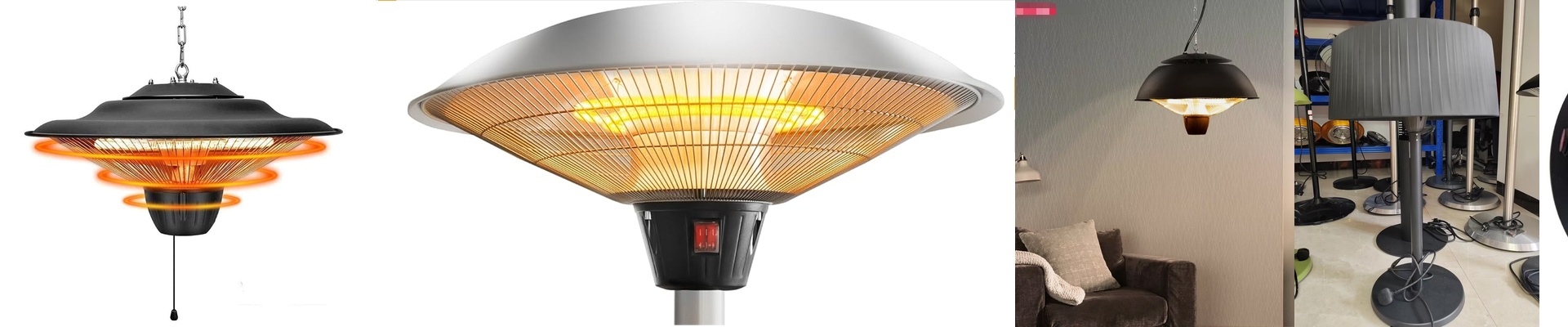
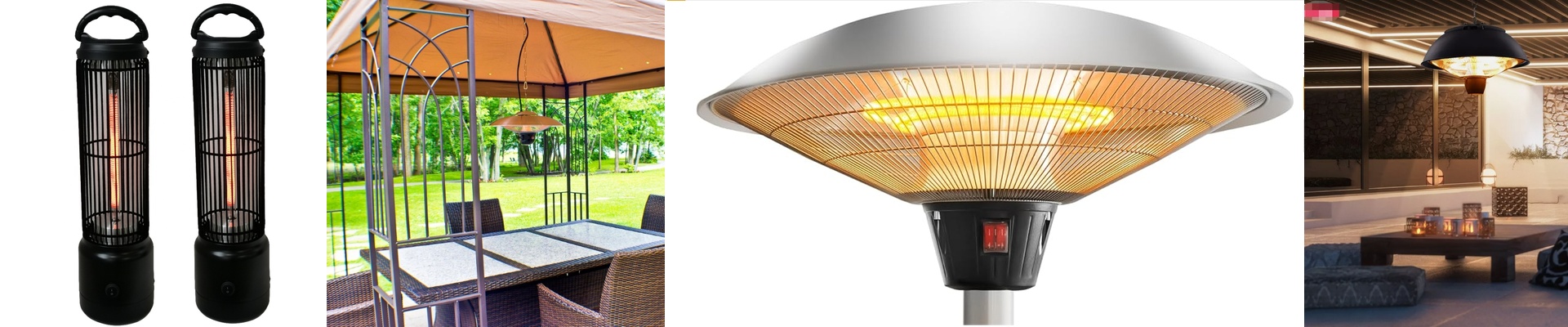
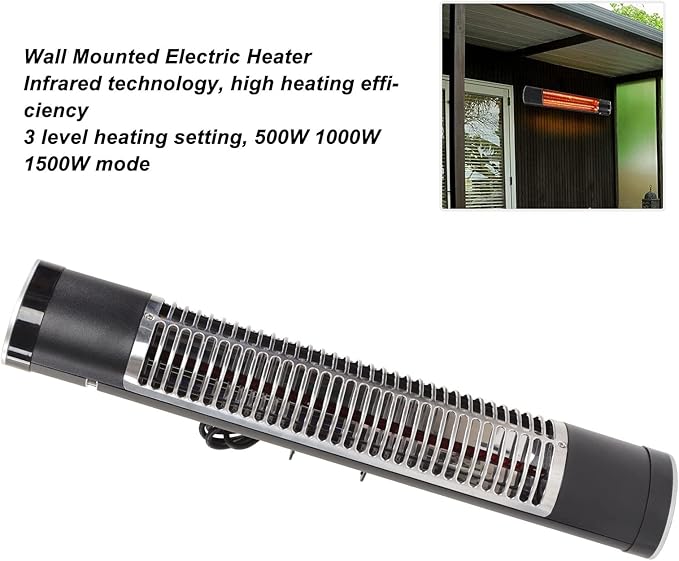
Here is the best part. Traditional heaters try to warm up the air. But in a bathroom, the air is constantly escaping through the vents. You’re basically trying to heat the outdoors. Infrared is different. Instead of fighting the air, it sends warmth directly to your skin and the surfaces around you. It’s instant. You flip the switch and you feel it immediately. We use specific emitters to make sure you get that deep, drying warmth without melting the plastic housing of the fixture.
One quick heads-up on installation
Now, before you run out and buy one, there is a catch. You can’t just unscrew an old bulb and pop this in. These units pull more power. If your home’s wiring is old or your breaker is already pushed to the limit, you’ll trip the power the second you turn the heat on. It feels like a simple swap for the person using the bathroom, but for the electrician, it’s a bit more involved. Just make sure your wiring can handle the load before you commit. It’s worth it to avoid a dark bathroom and a tripped fuse.