


The Bathroom Heater Turning Point
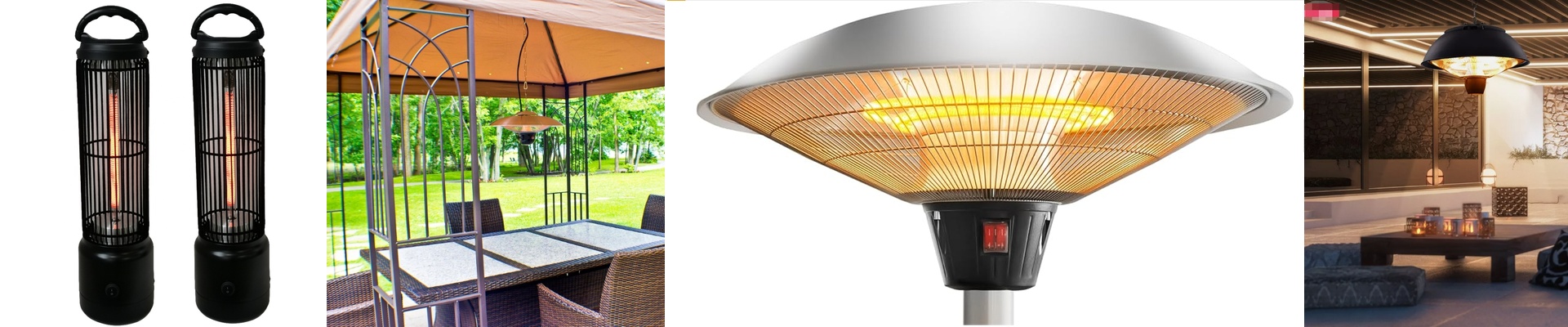
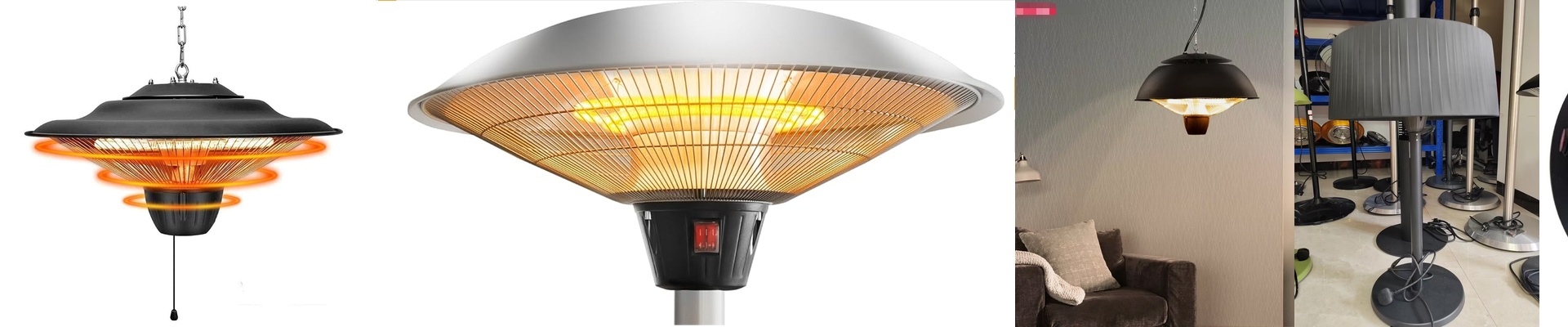
Here’s what’s happening in bathrooms these days: we’re leaving the old lamp-style heaters behind and leaning hard into waterproof infrared table heaters. Why? Because bathrooms are wet, and wet environments demand reliability. Traditional lamp heaters just don’t seal up well enough for constant humidity, and that leads to early failure. Our infrared units, on the other hand, are built to handle direct water exposure—so they can keep doing their job in upgraded bathrooms without giving up.
Power, Voltage, and Size—Plain Talk
These heaters are built around solid power and voltage specs. They run on standard voltage setups and deliver consistent output, so the surface heats up fast. The tubes are compact—about 300mm—so the footprint stays small while the heat density stays high. That means you can mount them in tight spots without losing performance. But there’s a trade-off: that high heat density heats the surrounding area quickly. So you’ve got to make sure the mounting surface and nearby materials can take the temperature, and that the circuit protection is properly rated for the load.
What’s Inside: Halogen, Quartz, Coating, and Connections
Inside, the heating element uses halogen technology in a quartz tube. Quartz handles thermal shock well and resists breaking down over time. A specialized coating protects the filament and helps keep output steady, even after long duty cycles—so you don’t get that annoying drop-off. For wiring, we use R7s connectors. It’s a standard interface that makes installation straightforward and lets the unit drop right in as a replacement in many existing fixtures. The waterproof rating comes from sealed joints and gasketed housings, so moisture can’t sneak in at the ends or along the tube.
Why This Matters for Engineers and Installers
On bathroom upgrades, you need heat that comes on quickly, installs cleanly, and holds steady in wet conditions. These infrared table heaters give you that rapid response without heating the air—which helps reduce condensation build-up. The compact shape and standard connector cut down on installation time and wiring hassle. And the waterproof build? It means the unit can handle steam and splashing without corroding or shorting out. For you, that means fewer callbacks and longer life out in the field. Just don’t skip the basics: proper grounding and correct fusing are non-negotiable when you’re running these in damp locations.