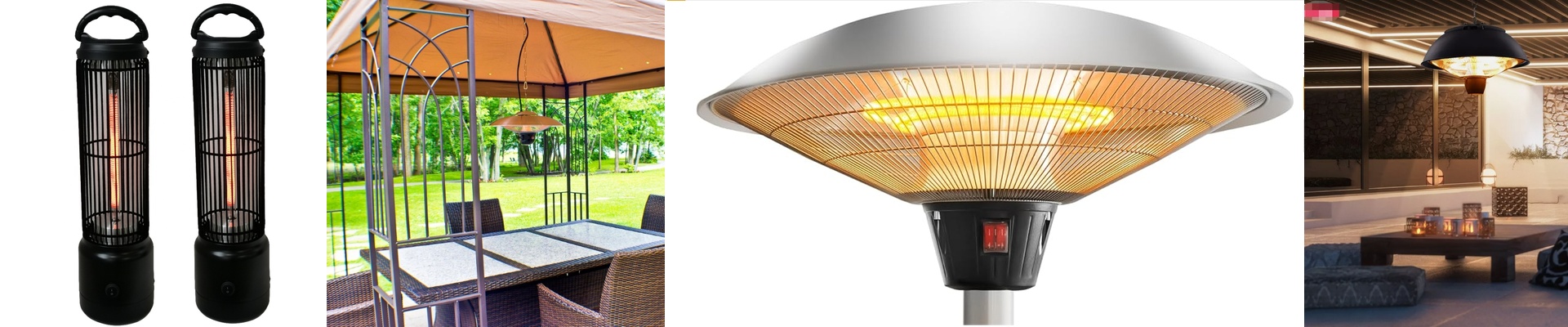
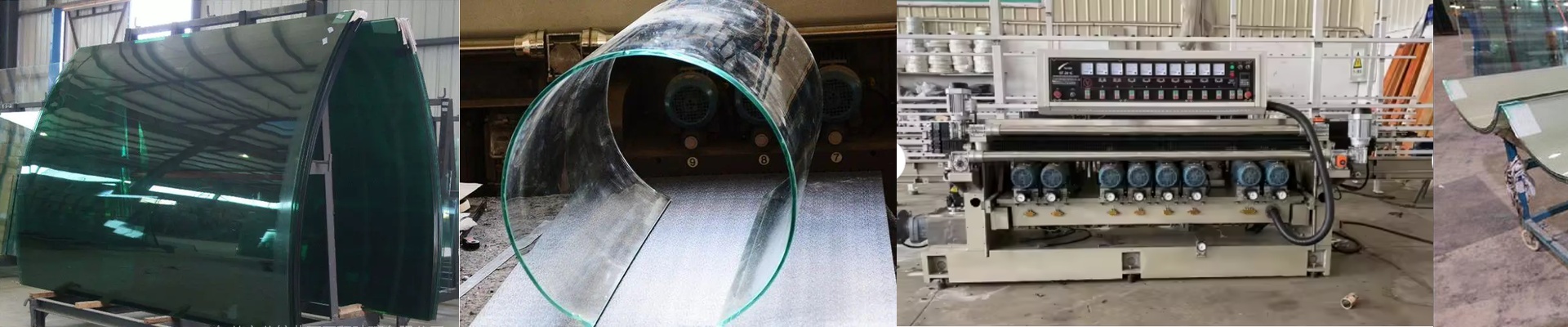
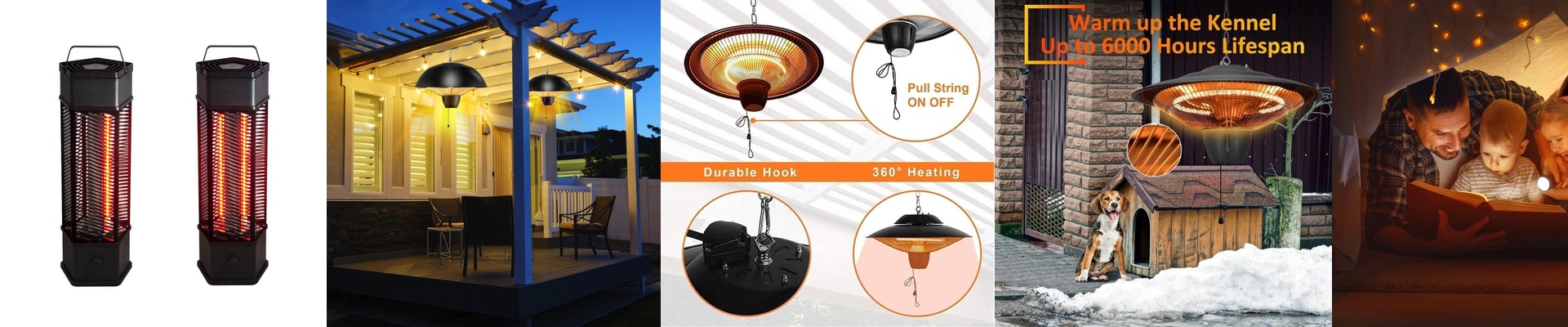
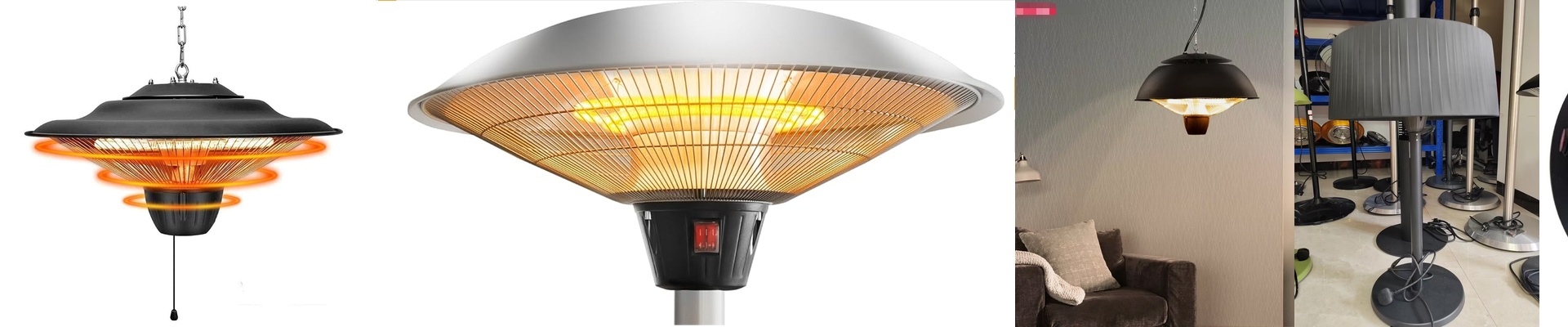
On the glass tube line, annealing isn’t optional—it’s the gatekeeper of yield. When the thermal profile drifts, you start seeing micro-cracks, bow, and scrap that quietly eat into margins. Convection ovens fight for stability; infrared gives you control. Our infrared lamp for glass tube annealing is built for high-power heating, where energy use and uptime are non-negotiable. What matters under the hood We run short-wave infrared with high-purity quartz envelopes. That gives rapid response and predictable emissivity across the glass band. power is matched to industrial loads, and the dense filament layout produces a uniform thermal field. That reduces edge-to-center deltas—and the stress fractures that follow. The lamp heats fast—seconds, not minutes—so you can chase cycle time without losing temperature repeatability. Output stays stable over thousands of hours, which means fewer component swaps and more uptime running parts. Why it fits glass tube annealing In annealing, you need a soak that’s even, controllable, and repeatable. Infrared delivers direct radiant heat, so the glass absorbs energy efficiently instead of heating the surrounding air. That cuts energy draw in high-throughput zones and lowers the total cost per kilogram. The fast ramp also makes scheduling tighter and reduces temperature-related holdups between shifts. You get higher first-pass yield, consistent dimensional stability, and a process that’s easier to audit. Here’s what to watch for Installation is straightforward, but alignment is critical. The lamp has to hit the tube uniformly—otherwise you’ll get hot spots and shadowing that drive thermal stress. Check mounting, reflector condition, and cooling at the terminals to keep the quartz envelope in its safe operating window. Running at full power is fine, but pair the lamp with a controller that can modulate output. That will maximize energy savings and extend service life.