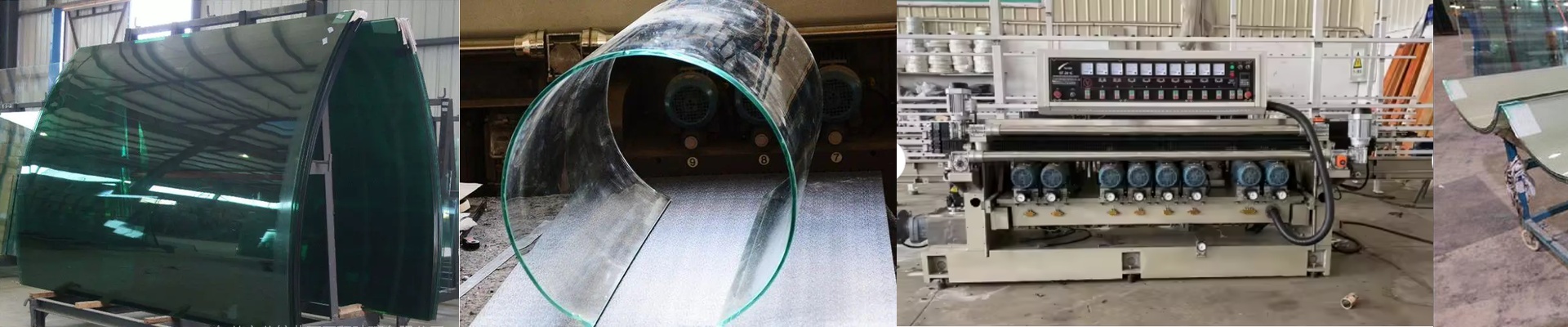
On the tempering line, the furnace has one job: deliver predictable heat, fast. When the heating system can’t keep up, you get uneven temperature across the glass, bow, and a scrap pile that hits the bottom line. We built our infrared heating modules to run hard on high-power lines, but still keep energy draw in check. What matters under the hood We lean on short-wave infrared quartz emitters because they respond quickly and give us tight control. They throw high radiant density right at the glass surface, so you’re not wasting energy heating air and furnace structure through convection. The module layout is set up to create a uniform thermal field, so the center and edges get the same energy profile. That lowers thermal stress and helps you avoid fractures during quench. The heating zones are adjustable and tuneable, so you can match the profile for low-emissivity coatings without pushing the system past what it needs. Why this plays in tempering Cycle time is money. Infrared heats the glass fast, so you can shorten the soak window and still hit target temperature. That means more throughput on the same footprint. Energy use drops because you’re heating the glass, not dumping heat into the furnace body and exhaust. We’ve seen plants cut heating energy per square meter by double digits on high-power lines, with fewer temperature swings and steadier optical quality. Fewer rejects, less downtime, and a lower cost per piece. What to keep in mind Infrared heating cares about line-of-sight and spacing. Keep the emitter-to-glass distance consistent, and make sure the module has clean access for maintenance. If you’re dropping this into an existing tempering furnace, expect minor changes to fit the mounting and cooling interfaces—especially when you’re replacing legacy heaters. Plan a short commissioning window to dial in the power map and match your glass mix. Once it’s set, you’ll see fewer temperature overshoots and a steadier energy curve day to day.