Why We Put Our Heaters Through a “Humidity Hell” Test
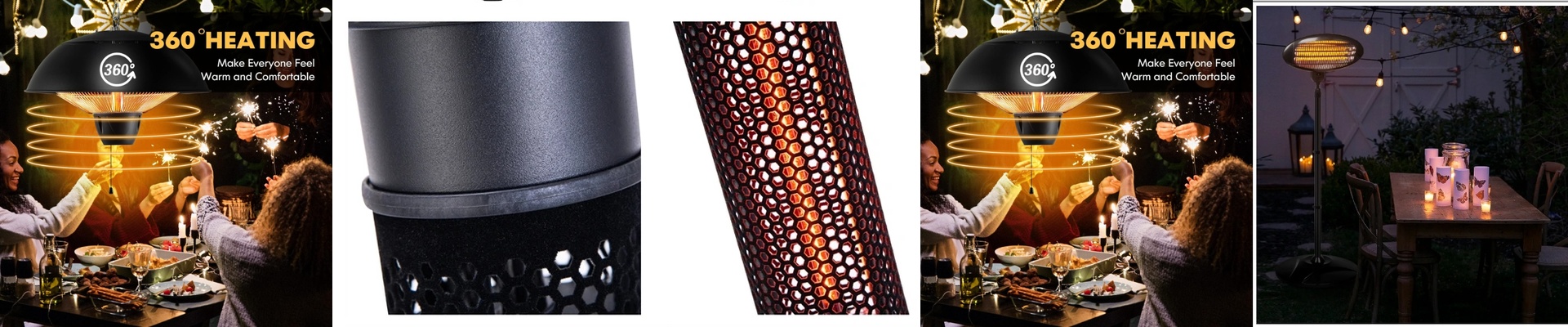
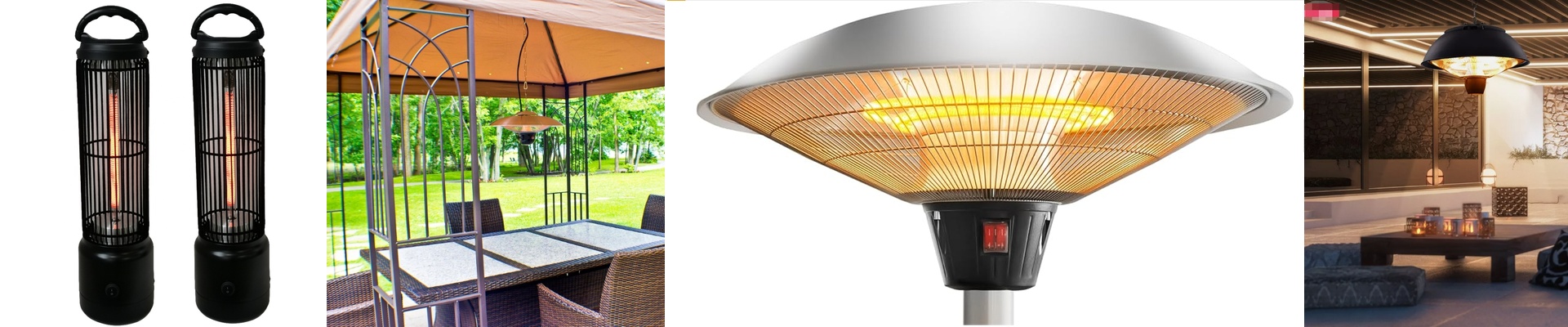
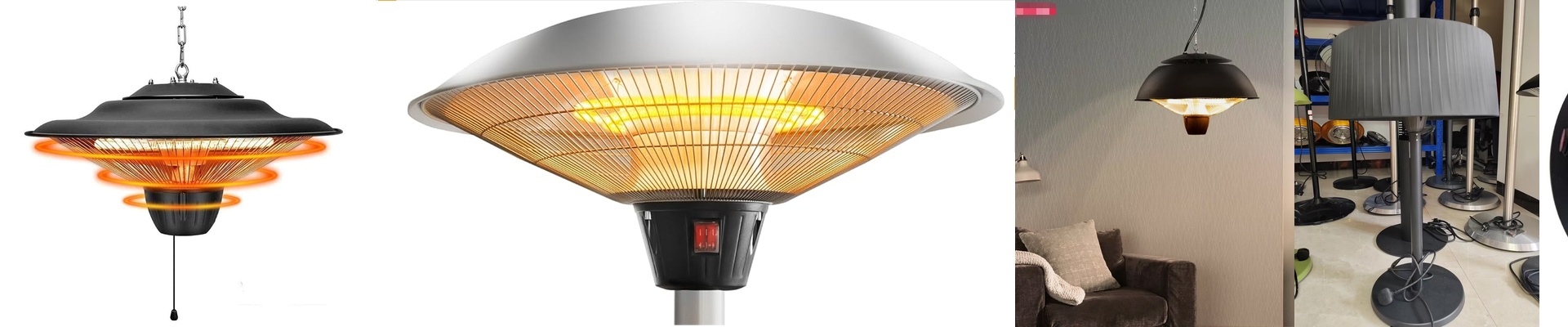
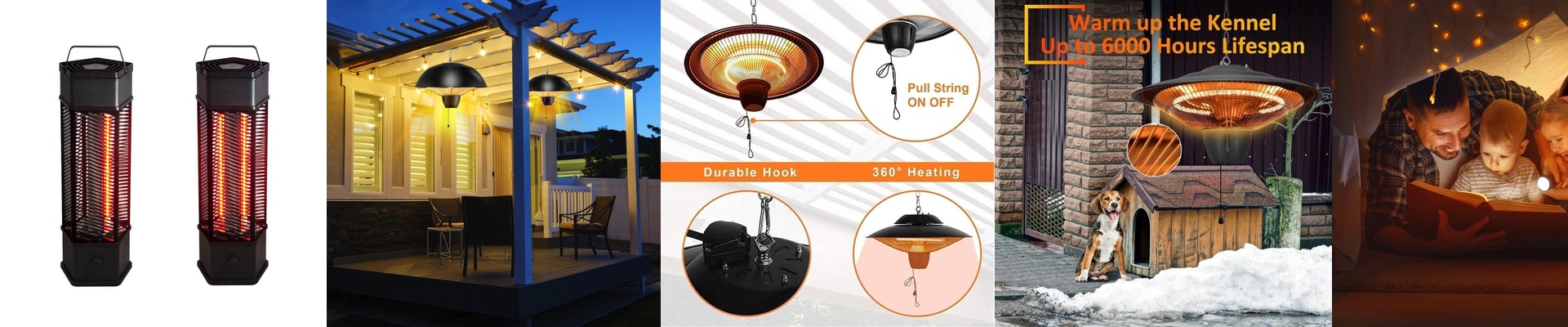
If you’re putting an infrared heater in a pergola or a bathroom, you’re basically asking a piece of electronics to live in a swamp. It’s a tough spot. You’ve got shortwave quartz lamps fighting a constant war against moisture. And I’m not just talking about a few raindrops. We’re talking about microscopic vapor that sneaks into every tiny gap, combined with the wild temperature swings that happen when you flip the switch. Here is the problem with water. Water vapor hates electrical insulation. In an outdoor setting, the heater goes from cold to scorching hot in seconds. That causes condensation to form right on the heating element and the terminals. If a seal isn’t perfect, that moisture creeps into the wiring. Then you get “tracking”—which is just a fancy way of saying electricity starts jumping across surfaces it shouldn’t. That’s how you end up with a burnt-out lamp or a tripped circuit breaker right in the middle of a party. We don’t want that. So, we run “damp-heat aging tests.” Basically, we lock our heaters in a chamber, crank up the humidity, and swing the temperature back and forth. We try our hardest to break them. We want the seals to fail in our lab, because the only place we don’t want them failing is at your customer’s house. It’s all a balancing act. To make this work, we use specialized quartz glass and coatings that don’t rust. But here’s the tricky part: the seals have to be airtight, but they can’t be too rigid. If the seal is too stiff, the quartz tube will just crack as it expands from the heat. Too loose? Steam gets in. It’s a tight window to hit. We spend a lot of time obsessing over the terminal junctions. That’s usually where things go south. By stressing these connections in wet conditions, we can make sure the power stays steady without any dangerous arcing. The reality check Now, let’s be honest: no heater is magically waterproof forever. Even with all our testing, how long a lamp lasts depends a lot on how the pergola is actually built. If there’s no airflow, moisture just sits there, and the outer casing starts to degrade way faster. When you’re installing these, think about the mounting height and the drainage. Just make sure the unit isn’t sitting in a puddle. It’ll make the heater’s life—and your life—a whole lot easier.