
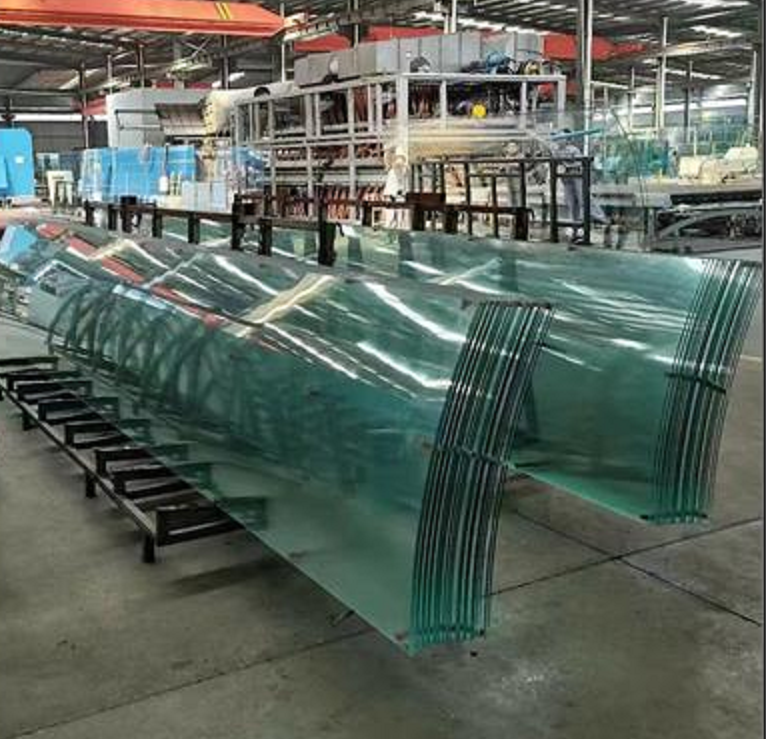
Getting Long-Run Infrared Heating Right for Glass Tunnels
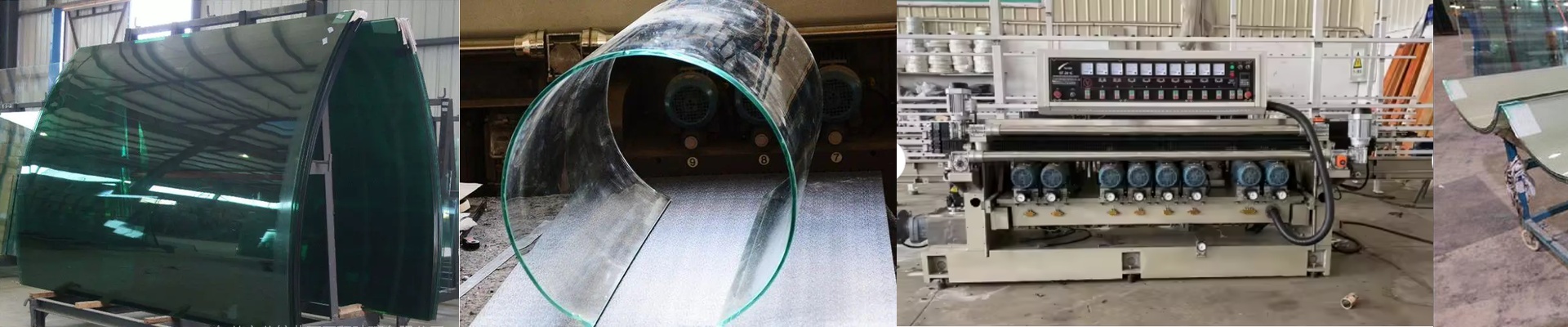
If you’re trying to heat a glass tunnel that’s longer than two meters, you quickly realize that just plugging in a few standard lamps isn’t going to cut it. You can’t just string together short pieces and hope for the best. That’s how you end up with cold spots—those annoying gaps in temperature that ruin your glass. We handle this by building integrated, ultra-long units. The goal is simple: keep the heat steady and uniform from the moment the glass enters the zone until it leaves.
Why length is a pain (and how we fix it)
Here’s the thing about quartz tubes—they have physical limits. They can only get so long before they become a nightmare to work with. To get a continuous run over two meters, we use a modular reflector chassis. We line up high-output lamps in a tight, continuous array. No gaps. No “dead zones.” You just get a steady stream of heat across the whole substrate.
The physics of the reflector
The reflector is where the real magic happens. We use gold-coated or high-purity aluminum to bounce that short-wave radiation straight back onto the glass. We spend a lot of time on the curvature, too. If the angle is off, you’re just wasting energy. When it’s dialed in, the heat hits exactly where it needs to. But you have to be careful. Pushing that much power over a huge footprint creates a massive amount of ambient heat. If your cooling blowers aren’t up to the task, your wiring and connectors are going to cook. It’s a mess. That’s why we stick with high-temp silicone wiring and reinforced mounts. You need gear that won’t warp or melt when things get hot.
Making it work in your shop
These units are designed to drop right into your old, inefficient heating banks. We can tweak the wattage per meter to fit your specific ramp-up and soak temperatures. Just a heads-up, though: more length and power means a heavier pull on your electricity. Before you flip the switch, double-check your breaker capacities and wire gauges. You don’t want a voltage drop at the end of the line—that’s a headache you just don’t need.