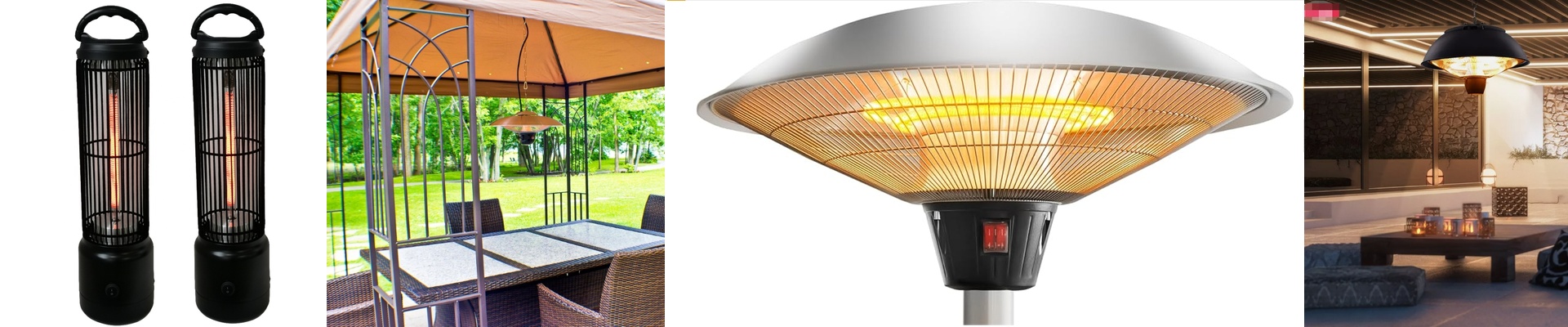
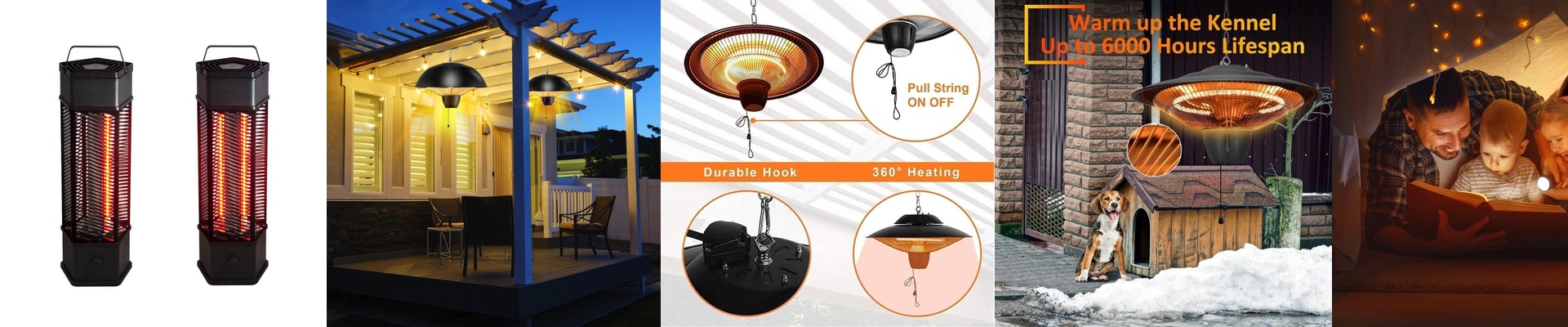
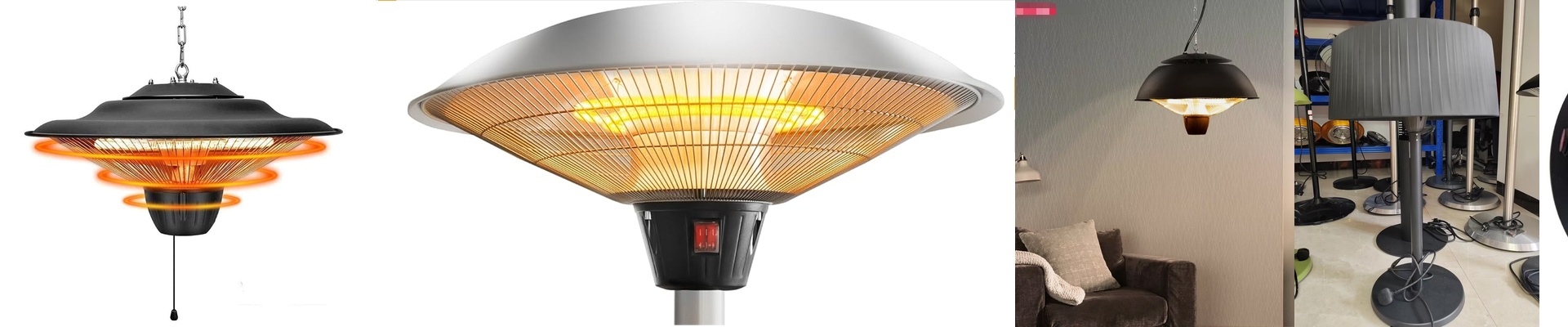
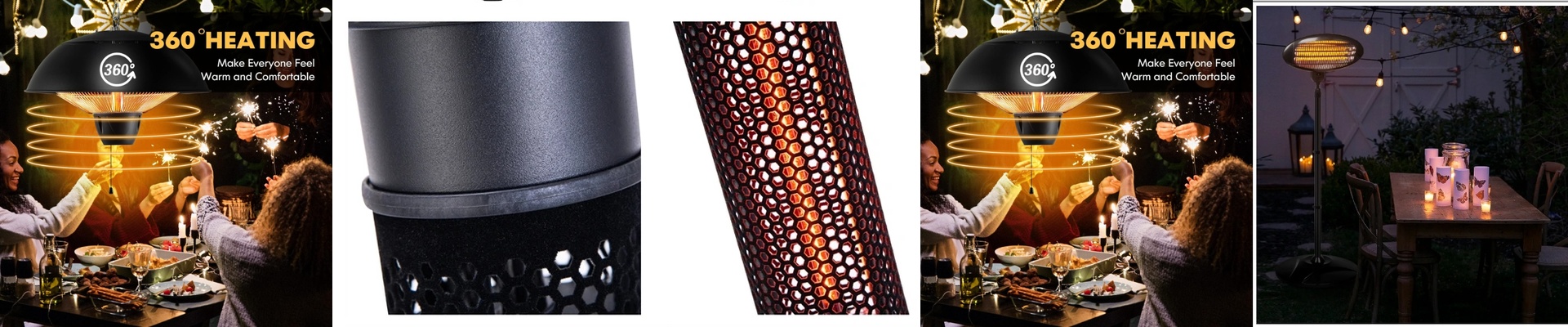
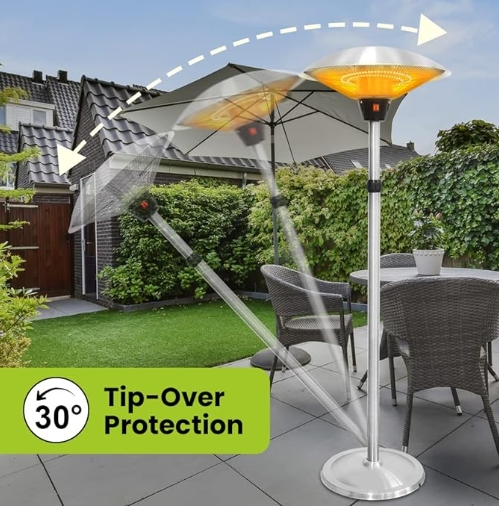
Night drops fast when you’re out under the stars, and as soon as the temperature falls, comfort falls with it. A regular heater just moves air around, and out in the wind it’s fighting an uphill battle. What you actually want is warmth that meets the moment—radiant heat that feels natural, not forced. That’s exactly what the new smart, environment-adaptive infrared heaters are built for: real camping and outdoor living. What matters under the hood We built this around a carbon fiber infrared element, paired with a smart sensor array. The heater automatically dials its output based on what’s going on around it, so you get steady radiant warmth without the harsh glare you get from older halogen units. It runs on 120V AC, pulls 1500W, and the response is quick. The housing stays compact, so it’s easy to move and position. Tip-over protection is built in, so if the unit gets knocked over, it shuts off. And the IP rating is there for actual outdoor exposure, not for marketing copy. Why this approach actually works On a campsite, comfort isn’t just about degrees on a thermometer. It’s about staying outside longer, cooking without shivering, and waking up without stiff joints. Infrared warmth hits people and objects directly, so you feel the heat almost immediately. The adaptive control smooths out the swings—wind, cloud cover, and shifts in activity—so you stay cozy without constantly adjusting things. For you, that means fewer layers, fewer interruptions, and a more restful night. What to keep in mind This is an electric infrared heater, so you’ll need a standard outlet or a generator with stable power. It performs best in covered or semi-sheltered setups, where the warmth can be focused where you need it. The output is tuned for personal comfort and small-group use, not for heating huge open areas. If you’re heading into truly extreme conditions, plan on supplemental warmth, and always set the heater on a stable, level surface.