

Stop the Cracks: Dealing with Thermal Shock Using IR Lamps
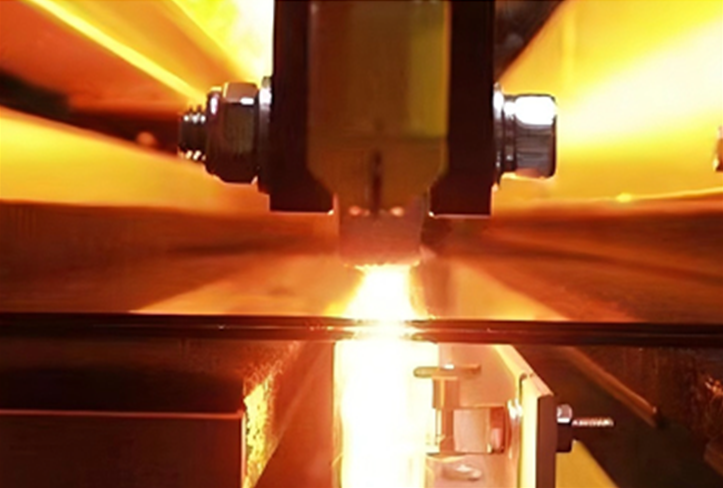
Ever seen a piece of glassware just… snap? It’s frustrating. Usually, it happens because internal stresses build up while the glass is cooling. If that temperature drop isn’t handled just right, you’re left with a pile of shards. That’s where infrared (IR) lamps come in. We use them to handle that “instant tempering” phase, basically keeping the glass cozy and stable while it makes its way through the annealing lehr. The trick is all in the timing. Thermal shock happens when the outside of the glass cools way faster than the core. To stop that, you need lamps that can pivot in a heartbeat. Shortwave IR lamps are great for this because you can tweak the power on the fly. By dialing the wattage up or down, you create a sort of “heat bubble” around the glass. It keeps things from cooling too quickly. This is a lifesaver for thin-walled pieces. If your power adjustment is sluggish, you’ll get a cold spot. And a cold spot is basically a ticking time bomb for a stress crack. Picking your gear We usually go with quartz halogen elements. Why? Because they pack a punch. They give you the high heat density needed to really penetrate the glass surface quickly. But you can’t just crank it to eleven. You have to balance that wattage with what your power supply can actually handle. Sure, a high-wattage lamp gets the job done, but it puts a massive strain on your wiring and turns the area around the conveyor into an oven. If you push too hard without great ventilation, you’ll end up warping your housings or frying your sockets. Making it work on the floor When we’re wiring these up, we focus on the duty cycle. We don’t just leave them running at 100%—that’s a waste. Instead, we use rapid switching to hit that target temperature. It’s a smart move. It saves energy and keeps the filaments from burning out too fast. Plus, there’s a nice side effect: because the initial power is so concentrated, you can actually use shorter annealing tunnels. That means more breathing room on your factory floor.