Why Fast-Response Infrared Heaters Keep Your Glass Line Moving
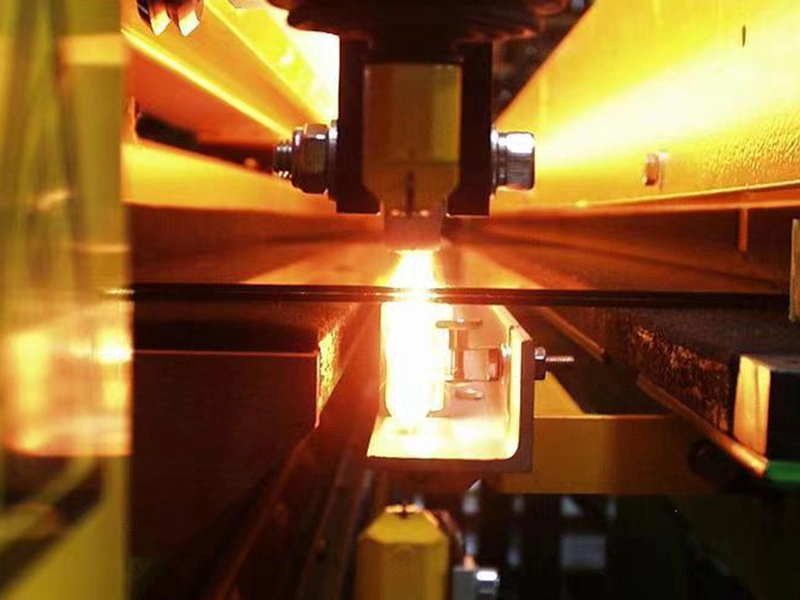
Here’s the reality of continuous glass annealing: the line can’t stop. Not for a minute. Not for a second. If the heat lags, the whole process stumbles. So we built our electric glass lehr heating around one simple idea—keep the glass moving, and let the heat chase it. It has to be fast. And it has to be reliable. Every single time. That’s why we lean on fast-response infrared heating lamps. They’re made for this exact moment—online annealing, where the glass never pauses.
The power behind the process
Let’s talk about what makes these heaters work. We size the infrared lamps to deliver steady, controlled energy across the moving glass ribbon. A common setup runs at 400V. That gives you serious power packed into a compact lamp, without overloading the control panel. The wattage is matched to the annealing curve—enough punch for quick heating and a stable soak, but predictable enough to stay under tight, closed-loop control. And the details matter. We typically use tubes around 300mm long, because that length matches the hot zone width you need. It gives you a clean, repeatable thermal profile without blowing up the lehr footprint. Geometry matters here. The lamp has to spread heat evenly across the glass. No hot spots. No stress. Just consistent coverage.
What’s inside that makes it feel instant?
The magic starts with the emitter. We use shortwave infrared halogen lamps. They heat the quartz envelope and filament almost instantly, so when your glass speed changes—or the thickness shifts—the lehr can adjust within seconds. The quartz body handles the heat. It stays steady, shift after shift. No drama. Then there’s the reflective coating on the back of the tube. It pushes more energy forward, straight onto the glass, and wastes less radiation. And when it comes to installation, we spec R7s or SK15 connectors. They’re built for high-temperature duty, and they make replacement fast. Wire it in clean, swap a burnt-out tube without taking the whole section apart.
The payoff: heat that follows the work
Online annealing doesn’t bend the process to fit the heat. It’s the other way around. Fast-response infrared lamps hit setpoint quickly, so the annealing curve stays steady even when your line speed changes. That consistency cuts scrap and keeps the furnace running as one continuous system. The result? You get more uptime. You end up with a smaller thermal footprint, faster recovery when setpoints shift, and far fewer temperature overshoots. Now, there’s one trade-off: high power density means you need proper cooling and thermal management around the lamp ends. Spec your cooling and control loops to match the heater, and the lehr holds the curve—steady and sure, shift after shift.