
Designing for the 5-Year Headache
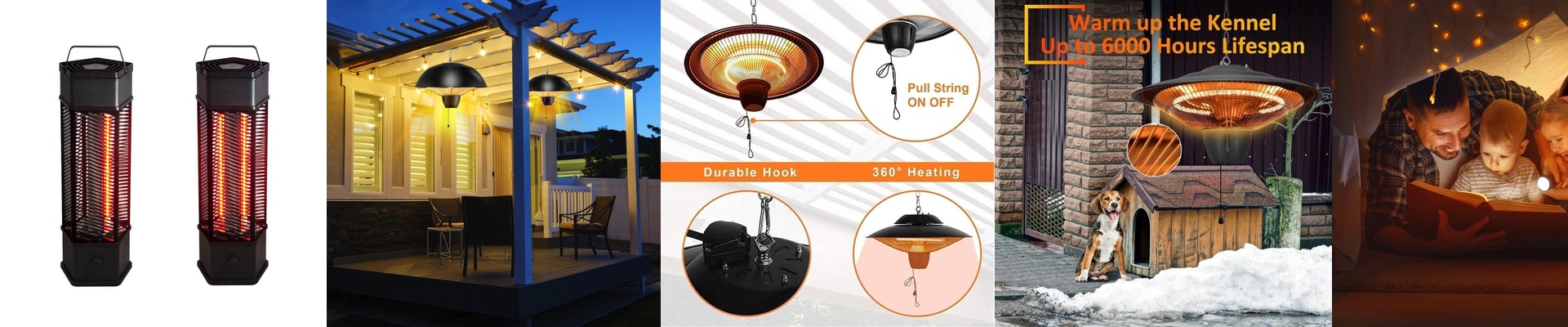
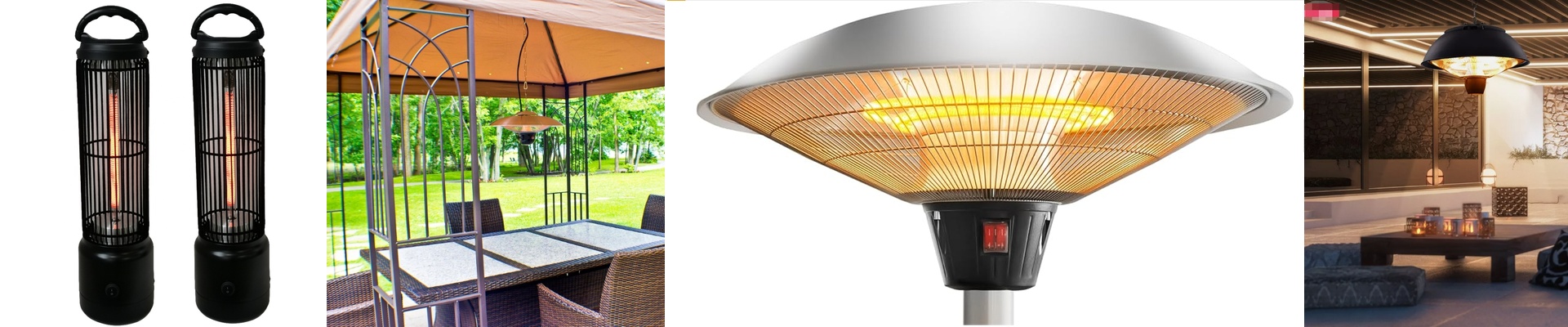
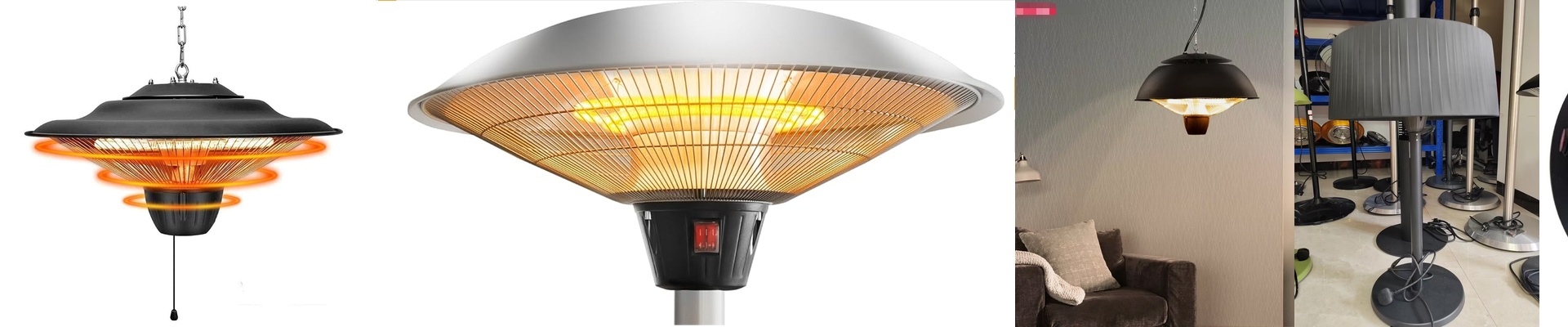
Most people install ceiling infrared heaters and then completely forget they exist. Right up until a tube burns out. Usually, that happens about five years in. And that’s when the real nightmare starts. You aren’t just paying for a new part; you’re paying to rent a scissor lift and paying a crew to spend half a day ripping apart a fixed chassis just to get to one broken piece. It’s a waste of time and money. We figured there was a better way. So, we went with a modular setup. The “Swap and Go” Logic We built these units so you can swap out heating elements without tearing the whole housing apart. Instead of wiring tubes into a permanent, stubborn assembly, we use a plug-and-play frame. You just slide the dead module out and drop a fresh one in. It turns a four-hour ordeal into a ten-minute job. It’s a relief, honestly. The Trade-offs Now, look—modular frames aren’t magic. They add a little bit of bulk. You lose that ultra-slim profile you get with a welded, fixed-tube design. But if you’re the one managing the facility, you’ll take that trade every single time. Plus, we use quick-connect terminals for the wiring. That means no stripping cables or messing with solder while you’re balancing on a ladder. Keeping the Heat Even Here is a pro tip: consistency is everything. When you pop in a brand-new module after years of use, it’s going to put out more heat than the old tubes around it. To avoid those annoying “cold spots” in your workspace, we recommend replacing your tubes in banks rather than one by one. It keeps the warmth spread evenly across the ceiling. One last thing. If your shop is dusty, those modular slots can collect gunk over time. Just give them a quick blast of compressed air when you’re doing a swap. It keeps the reflectors shiny and the heat moving exactly where it needs to go.