Why Most Bathroom Heaters Die (And How We Fixed Ours)
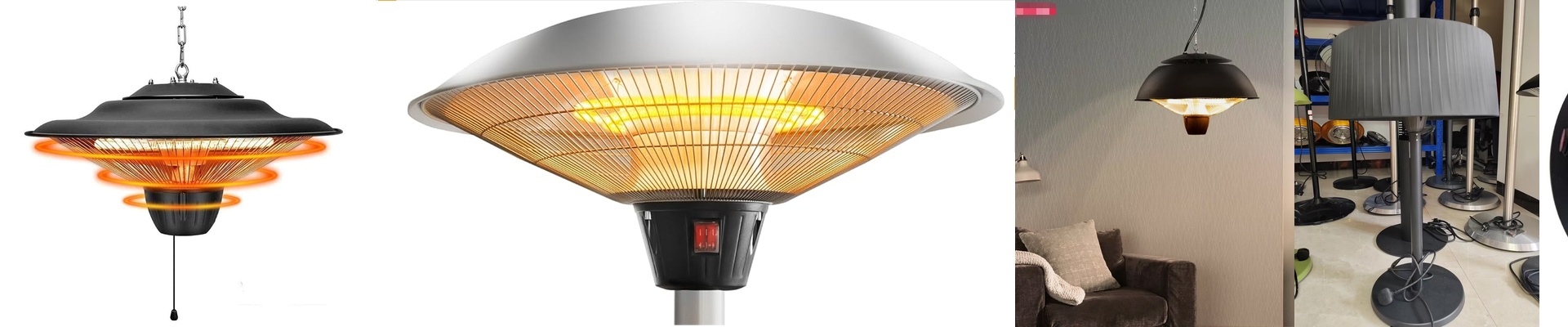
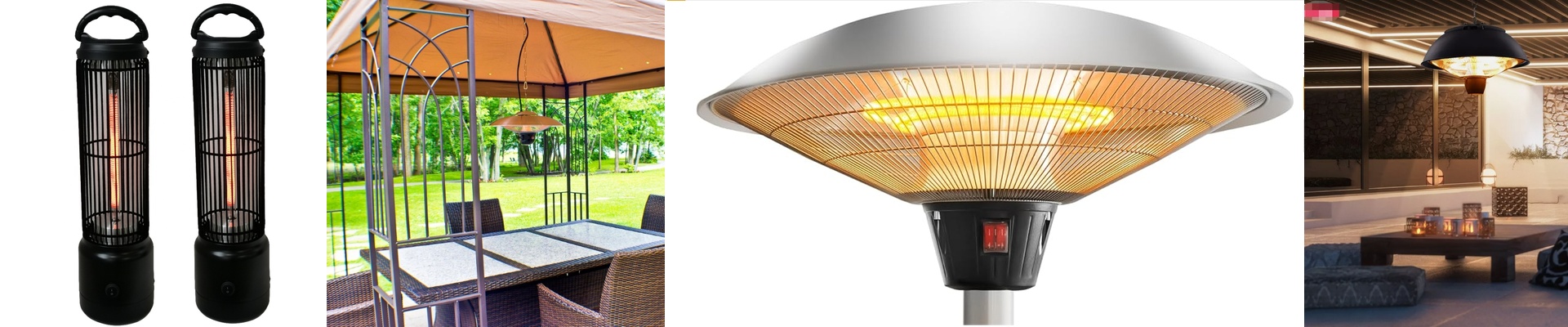
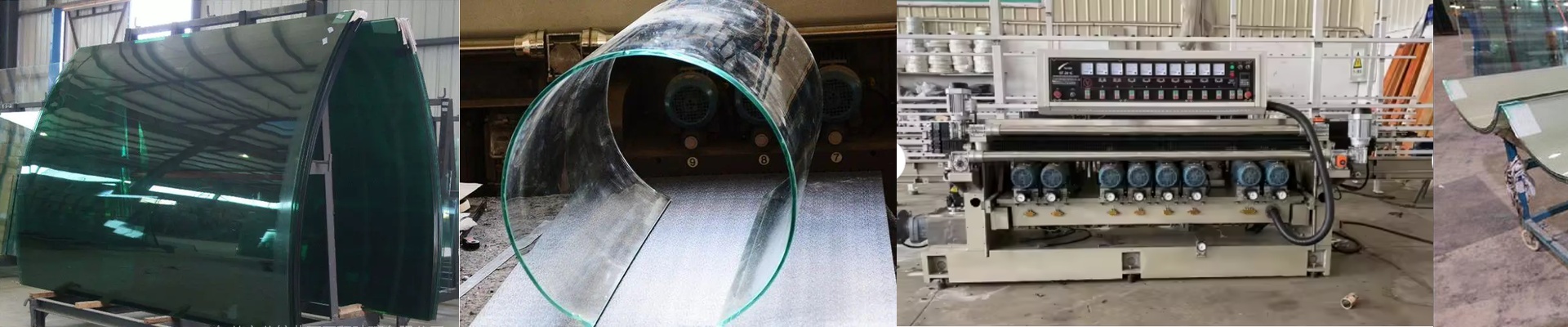
Let’s be honest: bathrooms are a nightmare for electronics. You’ve got steam everywhere, constant humidity, and the occasional stray splash from the shower. It’s a recipe for disaster. Most heaters just can’t handle it—they rust, short circuit, and end up in a landfill way too soon. We got tired of seeing units burn out after a single winter, so we changed how we build ours. The battle against steam Water vapor is sneaky. It doesn’t just sit on the surface; it creeps inside the housing and turns into condensation. This “fog” creates little bridges for electricity to travel where it shouldn’t, which usually fries the circuit board. To stop that, we used sealed gaskets and hydrophobic coatings. Think of it like a raincoat for the electrical guts. By keeping the steam out, we stop the corrosion that usually kills these things in about two seasons. Dealing with the splashes Then there are the splashes. If a drop of cold water hits a scorching hot quartz tube, the tube can literally shatter from the thermal shock. Not great. Our chassis is designed to divert water away from the high-voltage parts. We spent a lot of time obsessing over the seals where the wires enter the unit. If those seals leak, the whole thing shorts out. We made sure ours can take a direct spray and keep humming along without a glitch. The honest trade-off Now, there is a catch. To make this thing bulletproof, we had to add heavy-duty seals and protective glass. This makes the unit a bit bulkier than some of the cheap, open-element heaters you’ll see. It also means it takes a few extra seconds to reach full heat. But here’s the deal: you can have a heater that’s instant but breaks in six months, or you can wait five seconds longer for a heater that actually lasts. We chose the latter. We built these for busy bathrooms where the last thing you want to do is climb a ladder to replace a lamp every year. Just wire it up, seal it tight, and let it handle the humidity while you enjoy your shower.