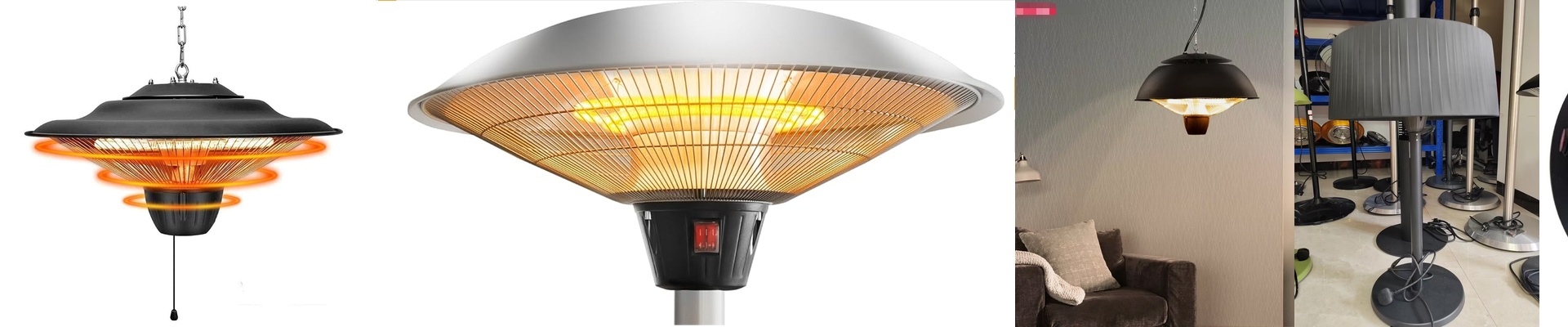
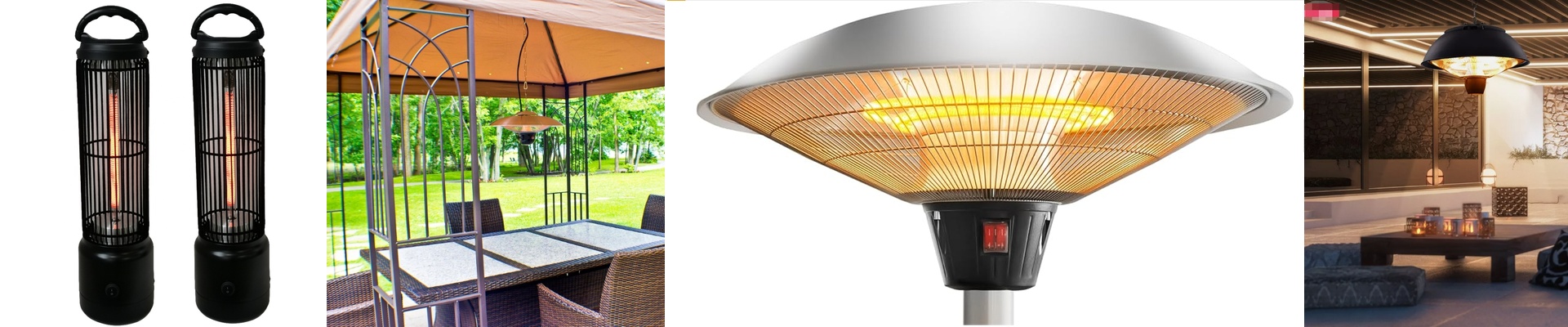

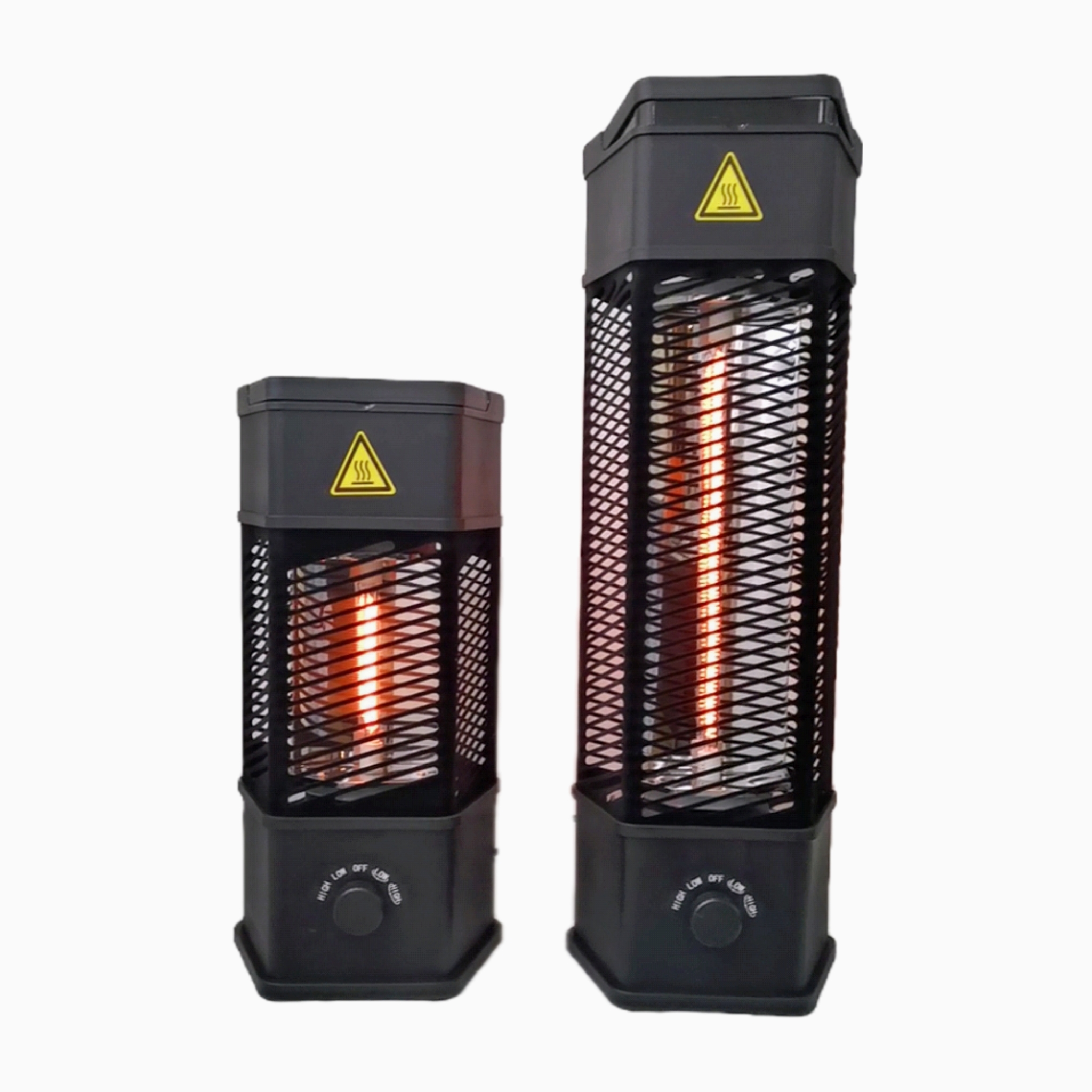
Why we put our bathroom heaters through the “Steam Chamber”
Let’s be honest: bathrooms are absolute nightmares for electronics. You’ve got thick steam, wild temperature swings, and water vapor basically trying to find a way into everything. We could just build these mirror infrared heaters and ship them out the door. But we don’t. Instead, we put every batch through a brutal “damp-heat” aging test. Why? Because nobody wants their heater to give up the ghost the second they start their morning shower.
The battle against moisture
Here is the thing about steam: it’s sneaky. It finds the tiniest gaps in the lamp housing. If a seal on the quartz or a connector isn’t perfect, that vapor creeps in and starts eating away at the electrodes. That leads to oxidation. Then a short circuit. Then… a dead heater. To stop that from happening in your home, we simulate years of steamy showers in a high-humidity chamber. It’s basically a stress test. If there’s a tiny crack in the quartz or a loose wire, we want it to fail here on our floor, not in your bathroom.
Keeping the heat where it belongs
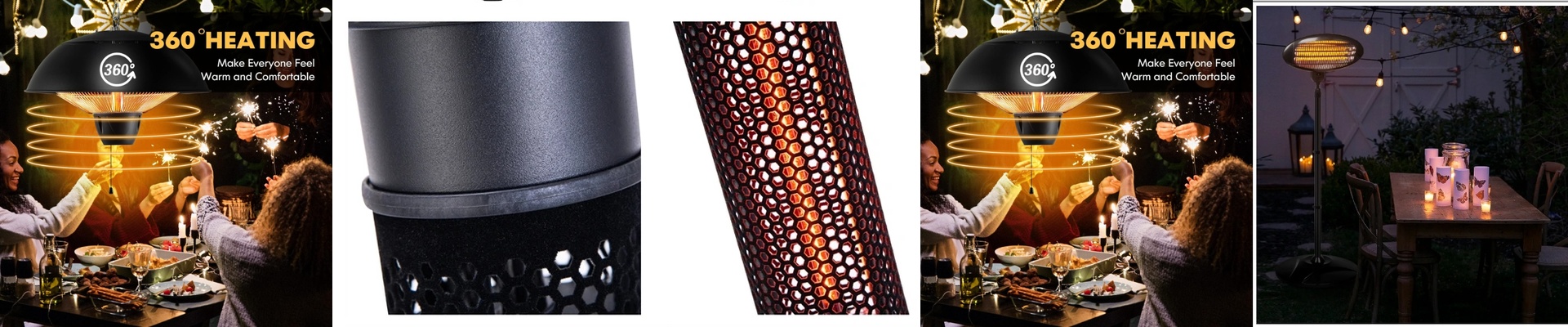
That mirror isn’t just for checking your hair. Its whole job is to push that infrared heat straight down onto you. But humidity loves to ruin reflective coatings. If the mirror clouds over or starts to peel, you lose that cozy warmth. We spend a lot of time watching how these coatings hold up as they heat up and cool down over and over. We make sure the mirror stays clear so the heat stays strong.
The tricky balancing act
Now, you might think, “Just seal the whole thing in plastic!” But that’s where it gets tricky. If we seal it too tight to keep the moisture out, the electrical parts can’t breathe. They overheat. The thermal fuse trips. Suddenly, you’ve built a waterproof brick. It’s a bit of a tightrope walk. We have to find that sweet spot where the lamp stays bone-dry but still has enough airflow to keep the wiring cool. It takes some tinkering, but it’s the only way to make sure you get a heater that actually lasts.