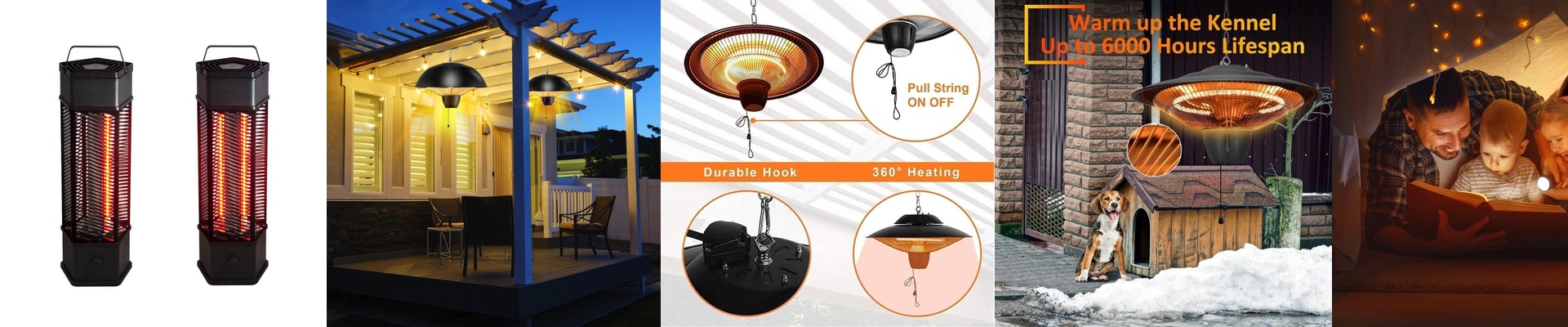
Infrared Heat: More Than Just a Warm Bathroom
Most of us think of a bathroom heater as something to stop the shivering when you step out of the shower. But if you look at it from a practical side, it’s actually about fighting moisture and keeping surfaces warm. Waterproof infrared lamps don’t just heat up the air—they go after the exact spots where mold likes to hang out. Here is how it actually works. Standard heaters just warm the air. The problem? That air often hits cold tiles and turns into condensation. We use short-wave infrared emitters instead. These bypass the air entirely and heat your walls and floors directly. Think of it like sunlight hitting your skin on a cold day. The energy sinks into the surface. When your walls stay warm enough, water can’t settle on them. And if there’s no standing water, mold spores don’t have a place to grow. Simple as that. Dealing with the damp Mold loves those stagnant, soggy corners. By using specific infrared wavelengths, these lamps help dry things out. The heat pushes moisture out of your grout and those silicone seals around the tub. It forces the water to evaporate way faster than a regular heat lamp would. You aren’t just getting a cozy room; you’re getting a dry one. The tricky parts of installation We build these units with waterproof housings so steam doesn’t fry the electronics. Just a heads-up: make sure your wiring can handle the wattage. You don’t want your junction box overheating. There is one catch, though. High-intensity IR lamps create a very concentrated beam of heat. If you mount them too low, it’ll feel like you’re standing too close to a campfire. Too high, and you lose that drying effect on the floor. Getting the placement right is the only way to make sure the room actually stays dry. My advice? Hook it up to a timer or a humidity sensor. That way, it shuts off once the surfaces are dry and you aren’t wasting electricity.