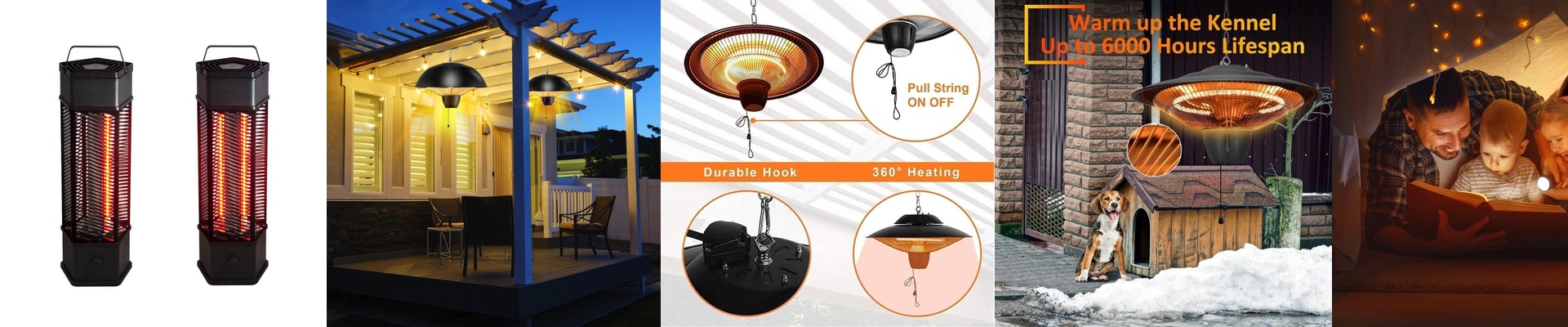
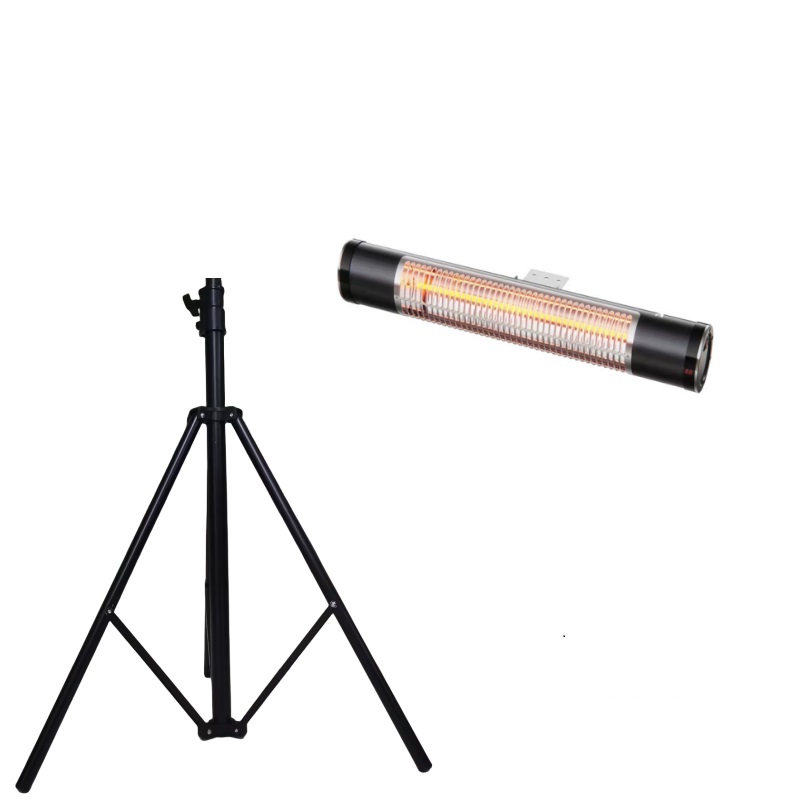
How to actually get your bathroom warmth right
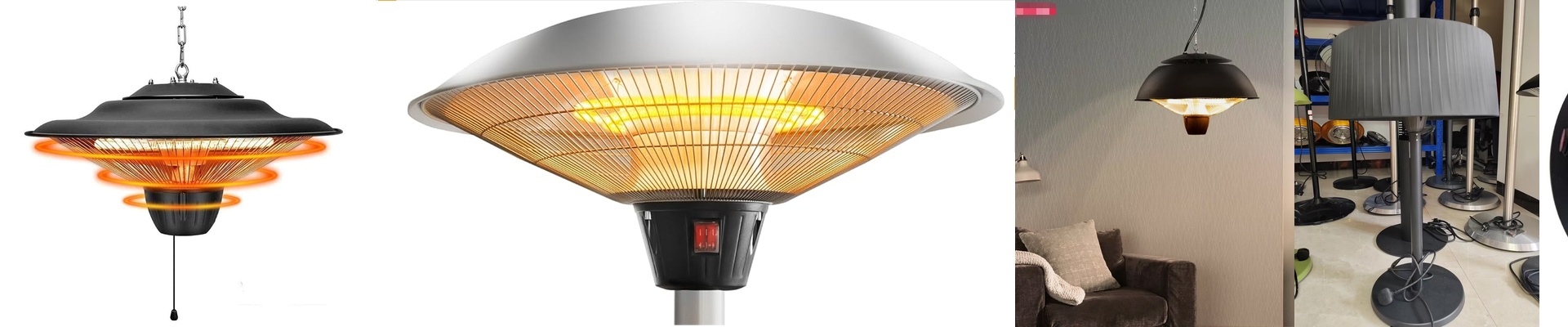
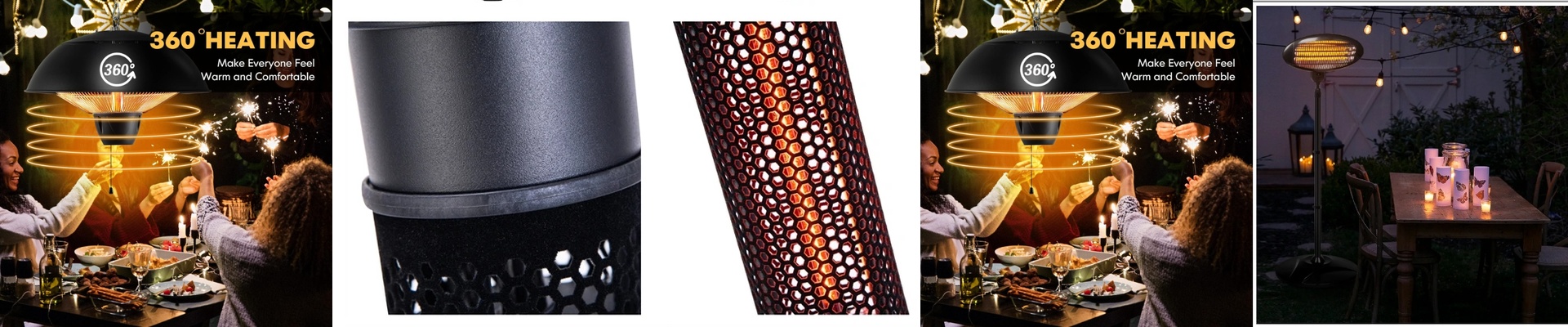
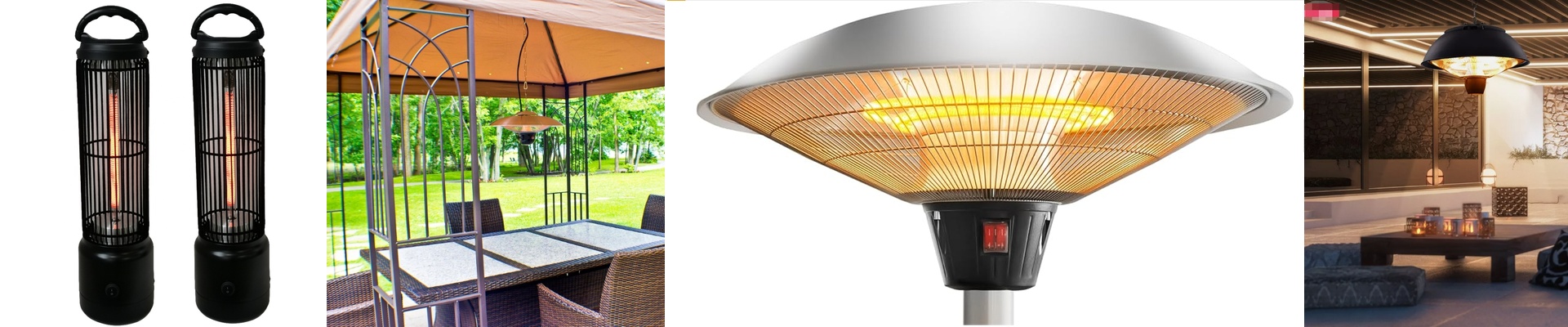
Let’s be honest: nobody likes stepping out of a hot shower into a freezing bathroom. It’s a shock to the system. The trick to fixing this isn’t just “buying a heater.” You’re using infrared, which is different from a standard space heater. Instead of trying to warm up all the air in the room (which is a losing battle), infrared beams heat go straight to your skin and the walls. It feels like standing in a patch of sunlight. But if you get the wattage wrong, you’re in trouble. Too little, and the room stays damp and chilly. Too much, and you’re basically baking yourself while wasting a ton of electricity. Finding your number I usually break it down by the size of the room. If you’ve got a tiny powder room (under 4m²), keep it simple. A single 250W to 400W lamp does the trick. It’s a small space, so you don’t need a monster of a heater. For a medium-sized bathroom (4m² to 8m²), you’re looking at 600W to 1000W. Here is a pro tip: don’t put all that power in one lamp. Split it between two. Otherwise, you’ll have one “scorching zone” and a few “freezing zones.” Nobody wants that. Then you have the big master baths (over 8m²). You’ll need 1200W or more. At this point, you really need to think about where you’re standing. Map out the lamps so the heat hits you exactly where you need it most. The deal with IP65 and heat You’ll see “IP65” on the box. All that really means is that the unit is sealed tight against dust and water jets. Since it’s a bathroom, this is non-negotiable. Because these lamps are sealed behind tempered glass, they don’t snap to full heat instantly. The glass acts as a bit of a shield. It keeps the electronics dry, but it slows things down just a touch. One thing to watch out for: heat buildup. If you cram a 1000W lamp into a tiny housing, the internals are going to bake. It’s like putting a giant engine in a tiny car—eventually, something is going to overheat and burn out. Just make sure the fixture is beefy enough to handle the wattage you’re choosing. Oh, and one last thing. Give these their own dedicated circuit. Infrared lamps pull a lot of power the second you flip the switch, and you don’t want to be tripping your breakers every time you take a shower.