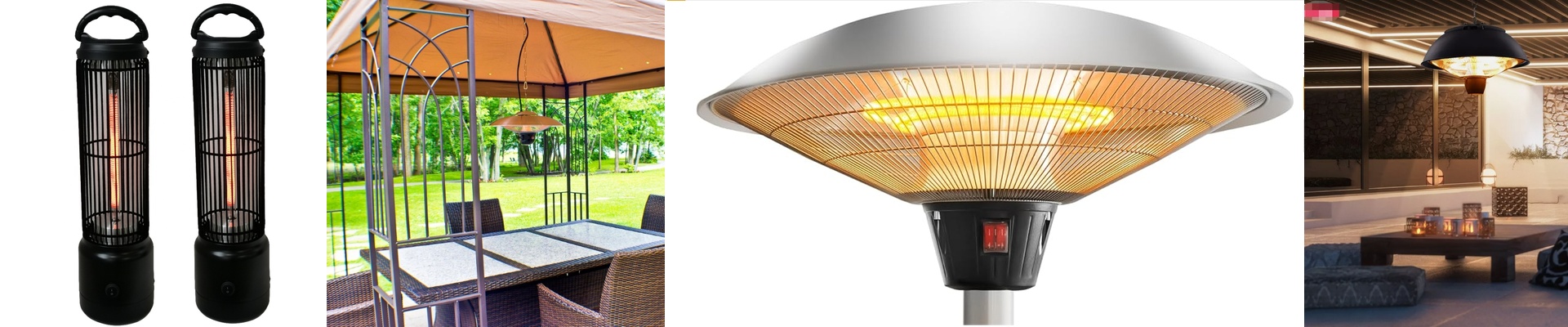
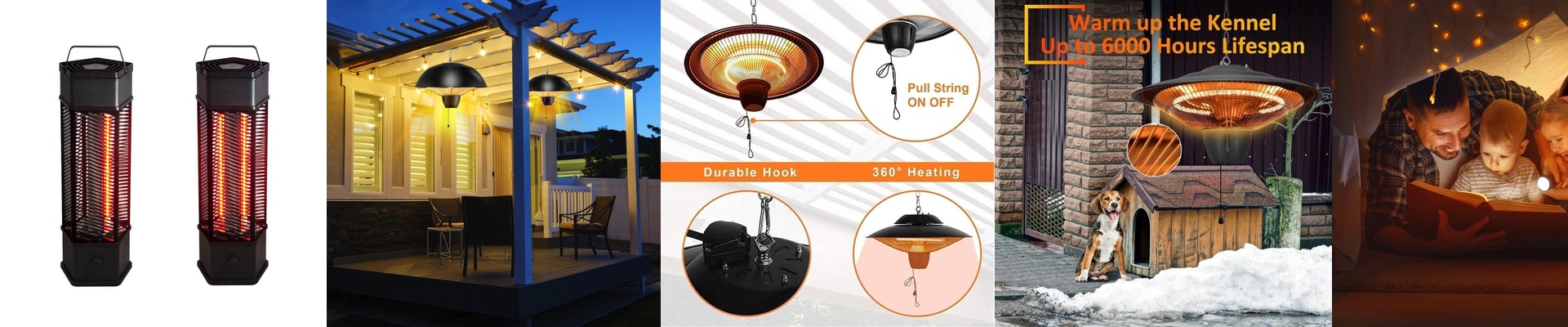

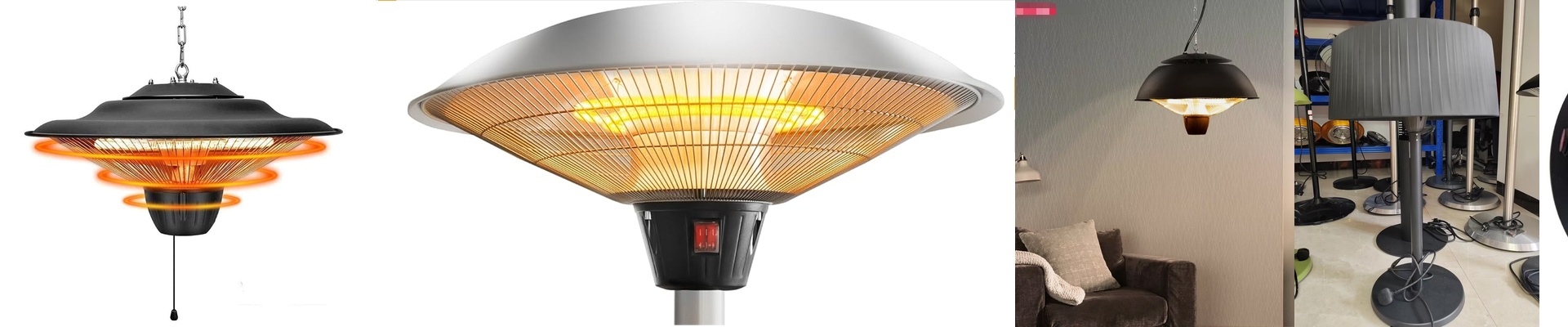
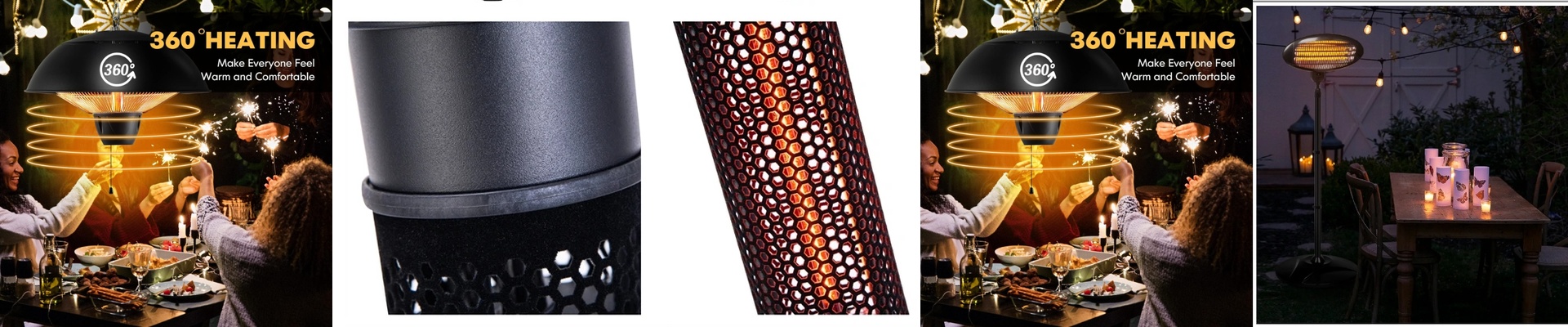
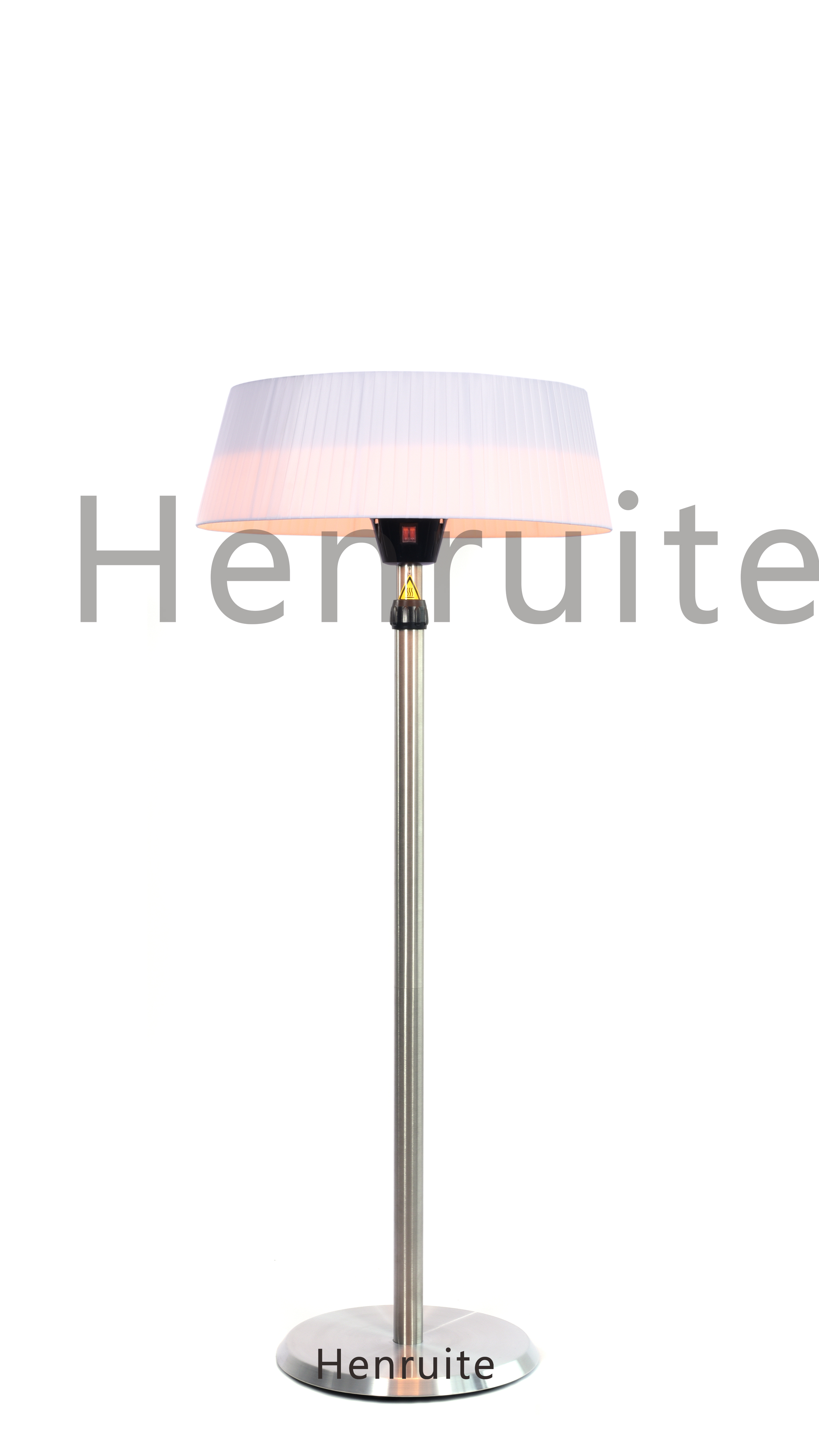
Getting Your Bathroom Heater Size Just Right
Nobody likes stepping out of a hot shower into a freezing bathroom. But if you just grab the biggest heater you can find, you’re going to waste money and probably bake yourself alive. The trick is matching the wattage to the actual size of your room. Also, since we’re talking about bathrooms, you absolutely need anIP65 rating. That’s just a fancy way of saying the heater is sealed tight against steam and splashes. Without it, you’re asking for trouble.
How much power do you actually need?
Think about the footprint of your room. If you’ve got a tiny powder room (under 4m²), a small lamp—something around 250W to 400W—is plenty. If you go overboard here, the room will get stuffy way too fast. For those medium-sized bathrooms (5m² to 10m²), you’re looking at 600W or 800W. Now, if you have a massive master bath over 12m², you might need a couple of units or one big industrial-grade setup. Here’s the thing: if you go too low on the wattage, the heater has to work overtime to get the room warm. That wears out the filament faster, and you’ll be replacing the bulb much sooner than you’d like.
Placement is everything
Infrared is different from a standard space heater. It doesn’t bother heating up the air; it goes straight for your skin and the surfaces around you. It’s fast. Really fast. But you have to get the mounting height right. If it’s too low, it’ll feel like you’re standing too close to a campfire. Too high? The heat just vanishes before it ever reaches you. Find that sweet spot.
A quick warning on your wiring
More wattage means you get warm faster, but it also puts a heavier load on your electrical panel. If you decide to wire up three 800W lamps on one residential circuit, don’t be surprised if you trip the breaker the moment you turn them all on. It’s a pain. I’d suggest checking your total amp draw first. If you’re going big, just run a dedicated line. It saves you the headache of a dark bathroom and a tripped switch.