Fixing the “Cold Spot” Headache in Glass Annealing
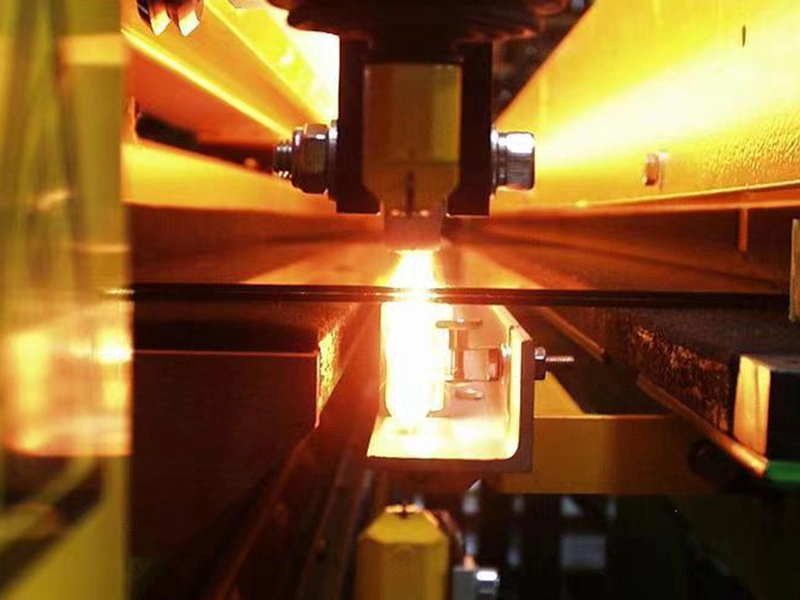
If you’ve ever worked with complex glassware—think flasks, retorts, or anything with a narrow neck—you know the frustration. You pull a piece out of a traditional convection kiln only to find it’s cracked. Why? Because air is lazy. It doesn’t like to squeeze into tight nooks or narrow openings. You end up with these “dead zones” where the heat just doesn’t reach, leaving internal stress trapped in the glass. It’s a nightmare. That’s where shortwave infrared (IR) lamps come in. Instead of hoping the hot air wanders into the right spot, we use IR to beam energy directly into the glass. No air circulation needed. It just hits the target. Why IR beats air Convection is great for simple shapes, but it fails the moment you hit a tight curve. IR is different. It’s electromagnetic radiation that actually penetrates the surface. By setting up a focused array of these lamps, you can aim the heat exactly where the glass is thickest—which is usually where the stress likes to hide. We stick with shortwave IR specifically because it digs deeper into the material and reacts much faster than the medium or longwave stuff. Getting the layout right Here’s the thing: you can’t just blast the glass with max heat. If you do, you’ll trigger thermal shock and shatter the whole piece. It’s a balancing act. We carefully pick the wattage and the distance so the temperature climbs gradually. The trick is using a multi-lamp setup where the radiation patterns overlap. When those beams cross, the gaps disappear. No gaps means no cold spots. Simple. The trade-offs (The “Real World” Stuff) Now, this isn’t magic; there are some practical hurdles. High-intensity arrays pull a lot of power. If you’re cranking up the wattage to speed up your cycle times, your control cabinet is going to feel the heat. You’ll need beefy contactors and some serious ventilation to keep things from overheating. And a word of advice: don’t try to fix bad lamp placement by just turning up the power. You’ll just burn through your filaments way faster. At the end of the day, precise spacing beats raw power every single time. It’s all about how the lamps fit the actual shape of your glass.