Why you shouldn’t cut cold glass
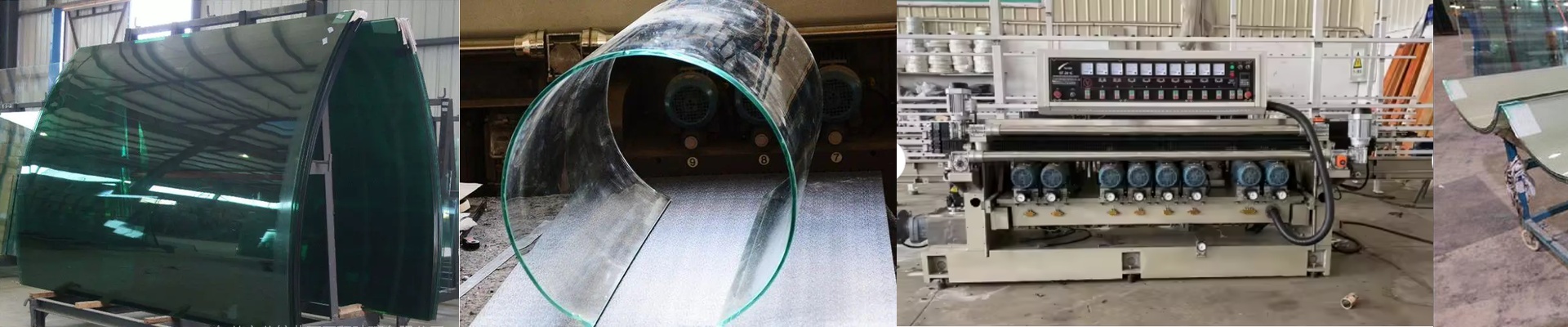
Cutting cold glass is basically a gamble. When that cutting wheel hits the surface, it creates a tiny, high-stress point. If the glass is freezing, the fracture doesn’t travel in a straight line. Instead, it jumps and jaggedly rips through the material. That’s how you end up with those annoying chips or corner breakouts that ruin a perfectly good piece. To fix this, we use infrared (IR) preheating. It changes how the glass actually reacts to the blade.
Making the glass “behave”
Think of it as softening the mood of the material. Infrared lamps sink heat directly into the cutting zone, which eases the internal tension of the glass. It makes the surface layer just a bit more forgiving. The result? The score is cleaner. The break is controlled. When you finally snap the glass, the crack follows your line exactly. You’ll see way fewer rejects on the floor.
The gear and the heat
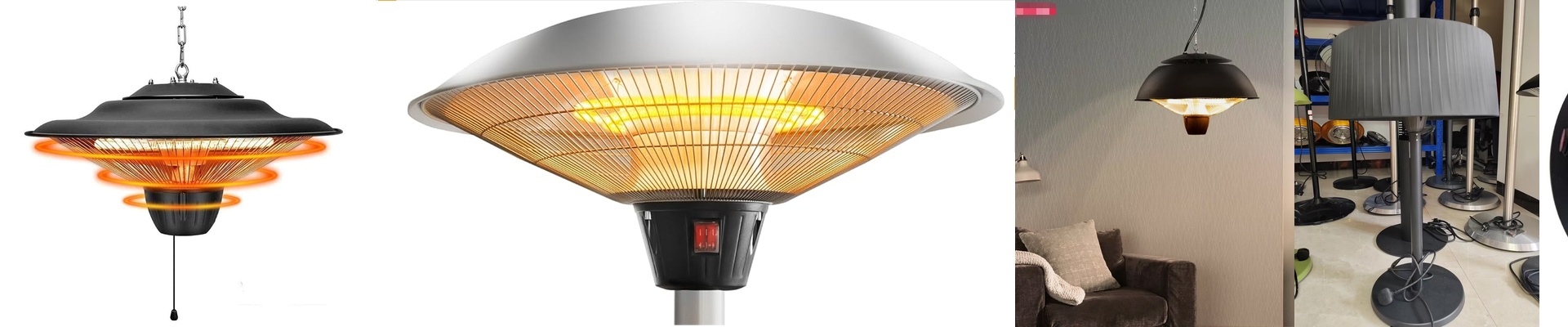
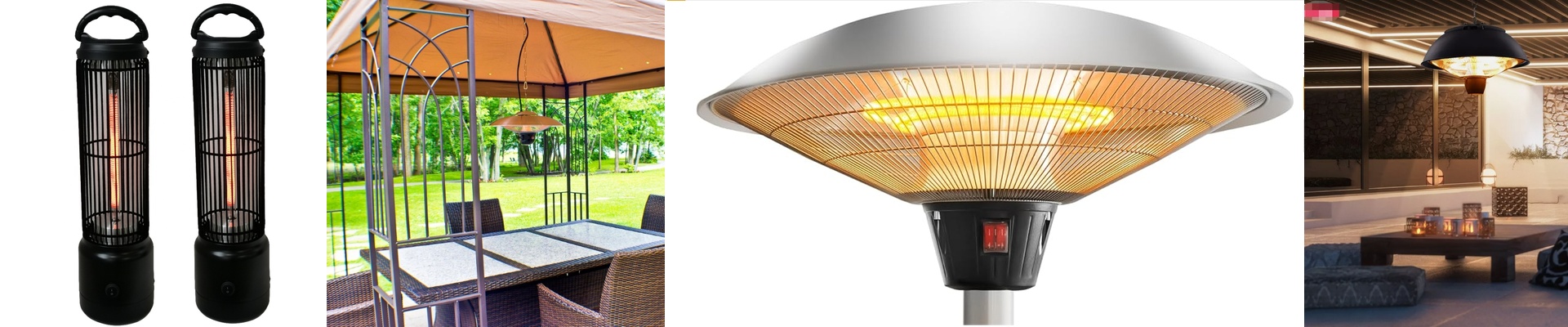
We usually go with short-wave IR emitters. The cool thing about short-wave radiation is that it doesn’t waste time heating up the air around it; it just hits the glass. Since the glass is moving quickly on a conveyor, you need a lot of power packed into a small window to get the temperature up in a matter of seconds. But be careful. If you cram too much wattage into one spot, you’ll shock the glass. You want a smooth transition of heat, not a spike. It’s all about finding that sweet spot between how close the lamps are and how fast your line is moving.
The trade-offs
Now, this isn’t some magic wand. It comes with a few quirks. Adding heat to your line means you’ve now got a “heat load” to deal with. You can’t just let the glass stay hot. If you’re working with something delicate—like the thin stem of a wine glass—too much residual heat can actually cause the glass to deform. You’ll need to make sure your cooling stages can handle the extra warmth before the glass moves to the next step. A good way to keep things under control is to use precise PID controllers. They keep the temperature right where it needs to be, so you don’t overdo it.