

Dealing with Voltage Headaches in Bottle Annealing
If you’ve ever moved equipment across a border or tried to upgrade an old production line, you know the drill. You’ve got the machinery, the team is ready, and then you hit a wall: the power supply. It happens all the time. A machine built for 110V shows up at a plant that only runs 480V or 575V. It’s a total nightmare.
Why you can’t just “plug and play”
Some people think you can just throw a transformer at the problem and call it a day. But it’s not that simple. To get the heat right, we actually go back to the drawing board with the tungsten filament and the quartz envelope. Here’s the thing: a 575V lamp needs a completely different filament length and thickness than a 110V one to hit the same wattage. If you try to force a lamp to run on a voltage it wasn’t made for, one of two things happens. Either you get zero heat, or you watch the element burn out in a matter of minutes. Not exactly the “efficiency” anyone is looking for. Whether you’re running a small North American setup or a massive industrial grid, we make sure the heat stays consistent. No guessing games.
The trade-off: Heat vs. Wiring
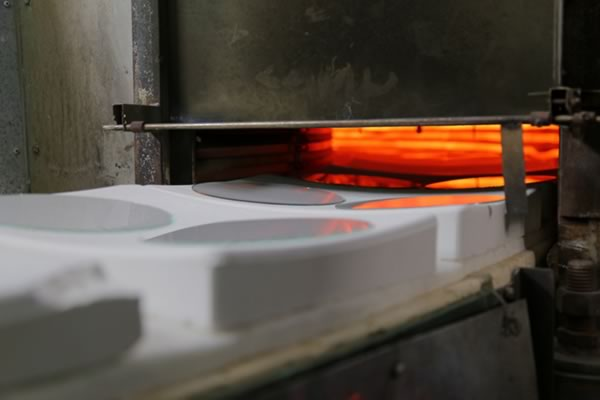
There is a bit of a balancing act here. High-voltage tubes are great because they draw less current. That means you can use thinner wiring across your furnace racks, which makes things a lot cleaner. But there’s a catch. When you push high wattage through a small quartz tube, the surface temperature spikes. If your furnace housing or cooling blowers aren’t up to the task, that extra ambient heat can actually warp your reflector plates. It’s a detail that’s easy to miss, but it’s a huge pain to fix once it happens.
Making it fit
We don’t want you spending your weekend rewiring a control panel. That’s why we build these as drop-in replacements. We match your physical footprint and connector types exactly. You just tell us the voltage and the length, and we’ll send you a lamp that slides right into your existing sockets. It hits your target temperature, keeps the glass stress-free, and—most importantly—doesn’t trip your breakers. Simple.