Putting Heaters in Showers: Why Your Hardware Actually Matters
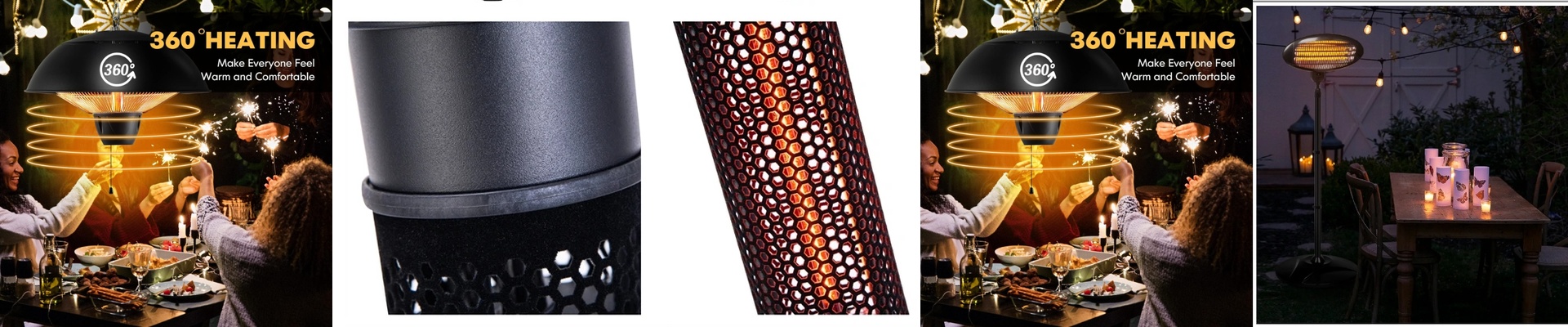
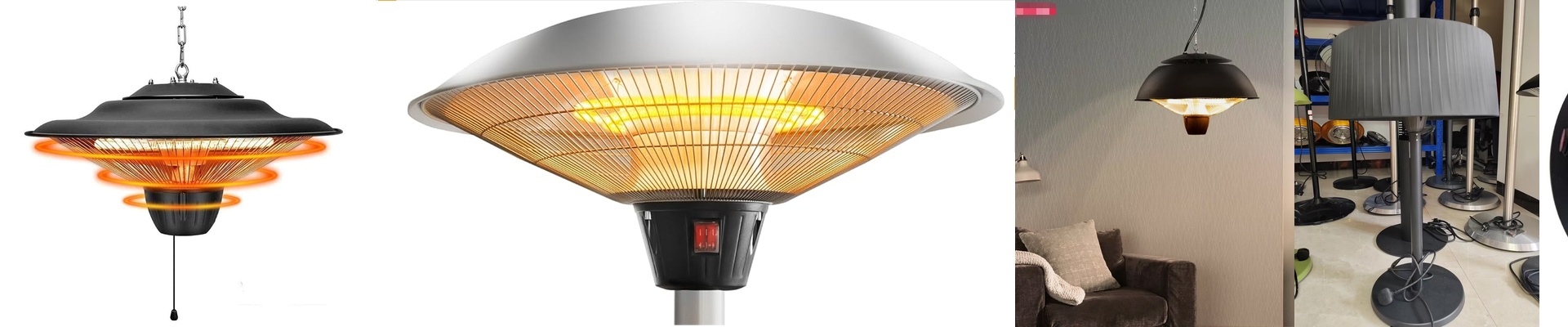
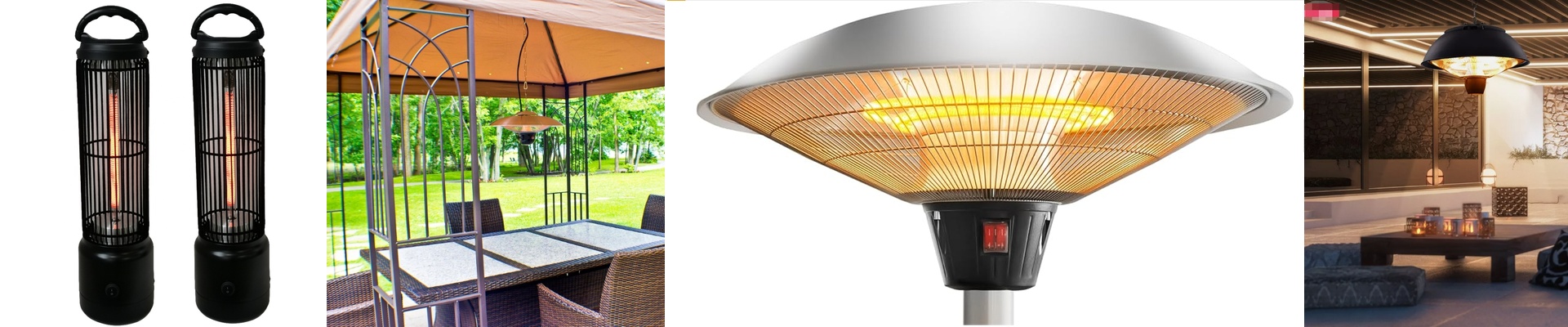
If you’re planning to put infrared heaters in a shower, you’ve got two big problems to solve: water and heat. Here is the scary part: a regular quartz tube is basically a ticking time bomb in a steamy bathroom. If a single drop of cold water hits a tube running at 800°C, it doesn’t just crack. It shatters. We don’t do that. We use explosion-proof quartz and IPX4-rated housings because, frankly, nobody wants a shower that ends in a rain of glass. The secret to the glass Most quartz can’t handle a sudden temperature swing. It stresses out and bursts. Our tubes are different. We’ve tweaked the quartz mix so it can take a hit of cold water without panicking. Plus, we wrap the filaments in a protective layer. That way, even in a worst-case scenario where the glass fails, you aren’t dealing with sparks or short circuits. It’s just safer. Dealing with the steam You’ll see the term “IPX4” on the spec sheet. In plain English? It means the unit can handle splashes from any direction. We make this happen with tight gaskets and sealed electrical junctions. You can’t just “hope” the humidity stays away. Steam is sneaky; it finds every tiny gap. If those seals aren’t perfect, your terminals will corrode and your lamp will burn out way before it should. The trade-offs These lamps are fast. Like, instant heat. But that kind of power puts a lot of stress on the fixture. If you try to save a few bucks with a cheap plastic housing, it’s going to warp and degrade. It’s just not built for the heat. We stick with aluminum heat sinks to pull that warmth away from the electronics and keep things stable. One last tip: check your circuit breaker. These lamps pull a massive amount of power the second you flip the switch. Give them the headroom they need. And for heaven’s sake, use high-temperature rated cables. You don’t want your insulation melting behind the wall.