Why Fast-Response IR is a Lifesaver for Fiberglass Annealing
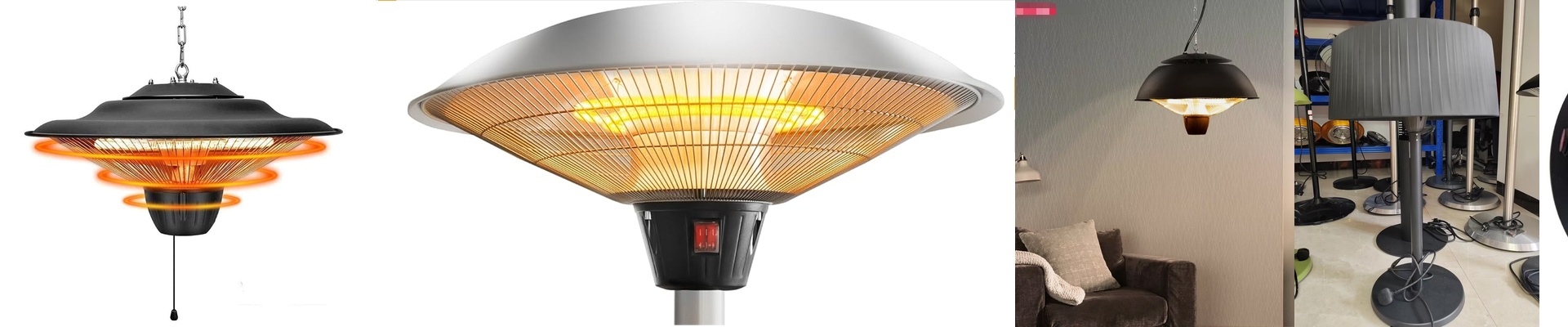
Glass fiber production is a sprint. There’s no pausing the line, but if you don’t anneal the material properly, you’re looking at internal stress and cracks. The problem? Standard resistive heaters are way too slow. They take forever to ramp up. That’s why we lean on shortwave infrared (IR) lamps. They hit the target temperature almost the second you flip the switch.
Keeping the Line Moving
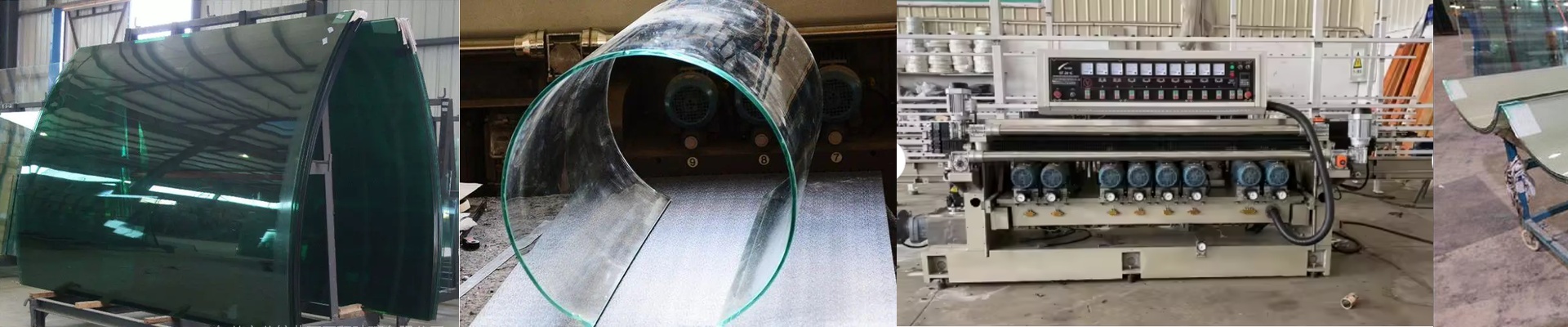
When you’re annealing in-line, you need your temperature zones to be spot on. If your heater lags, you end up with uneven cooling and weak spots in the fiber. It’s a nightmare for quality control. But IR lamps do something different. They don’t waste time heating up the air around the product; they shoot energy straight into the glass. This means you can crank up your belt speed and still get a perfect annealing cycle. Everything just flows. No bottlenecks, no headaches.
The Trade-off: Managing the Heat
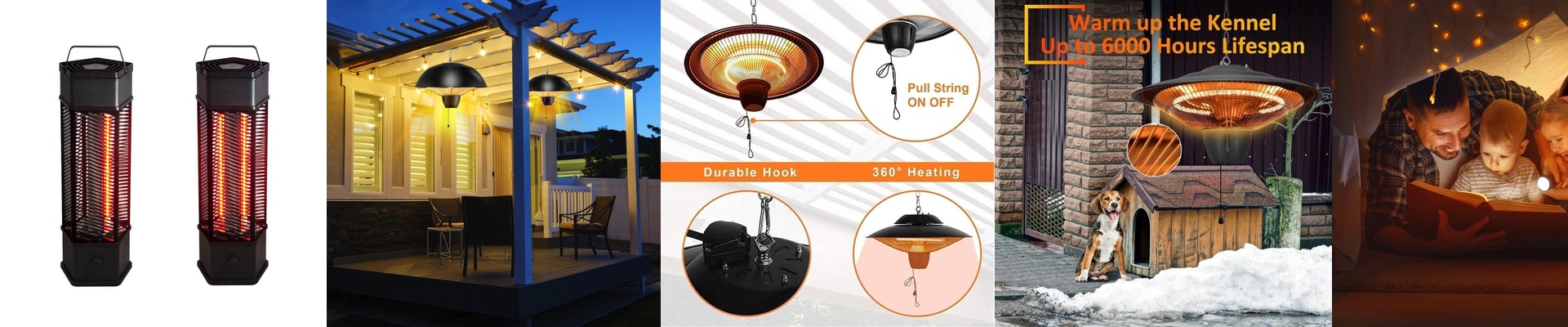
Here’s the catch. To get the core of the fiber up to that glass transition temperature, we have to spec these lamps for high wattage per millimeter. It works, but it’s intense. When you’re running high-output quartz tubes, the housings and electronics are basically sitting in a furnace. If you don’t get your cooling fans and heat sinks exactly right, you’ll fry your controllers in no time. It’s a balancing act.
Real-World Maintenance
We aren’t interested in systems that take half a day to fix. We build these for quick swaps. By using standardized connectors, you can pull a dead lamp and plug in a fresh one in a few minutes. It makes shift changes a breeze instead of a chore. And the physics actually work in your favor here. Shortwave IR digs deeper into the material than longwave does. You aren’t just heating the surface; you’re annealing the entire cross-section. Plus, if you decide to speed up your line, you don’t have to go out and buy a massive new oven. You just tweak the power density of the IR array and you’re back in business.