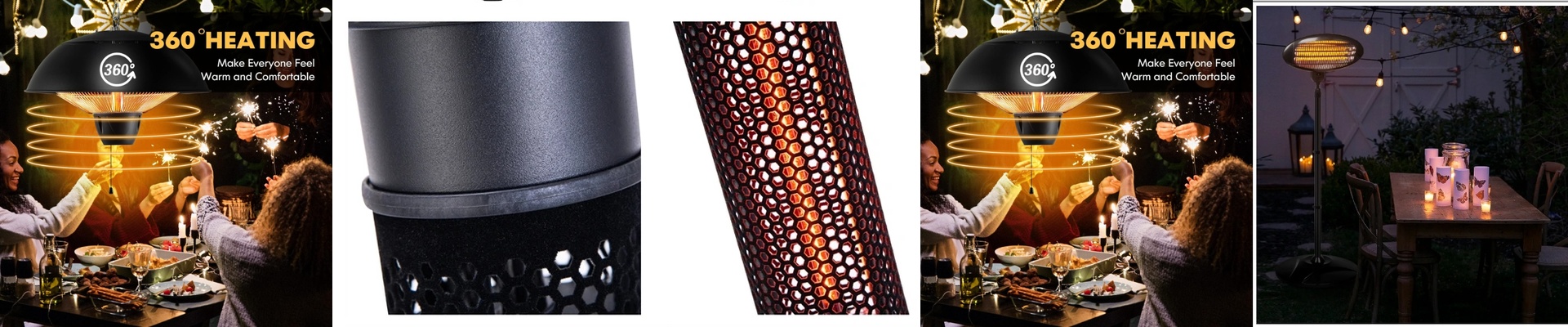
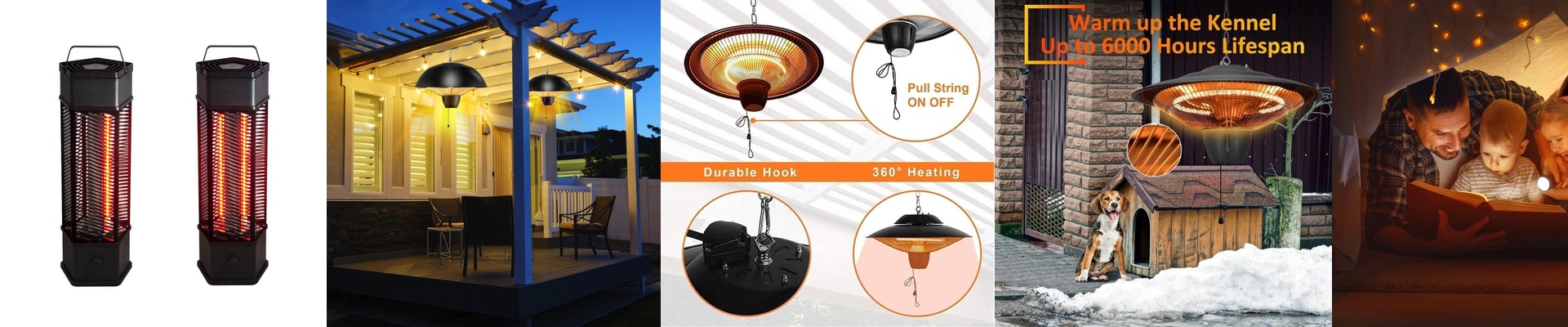
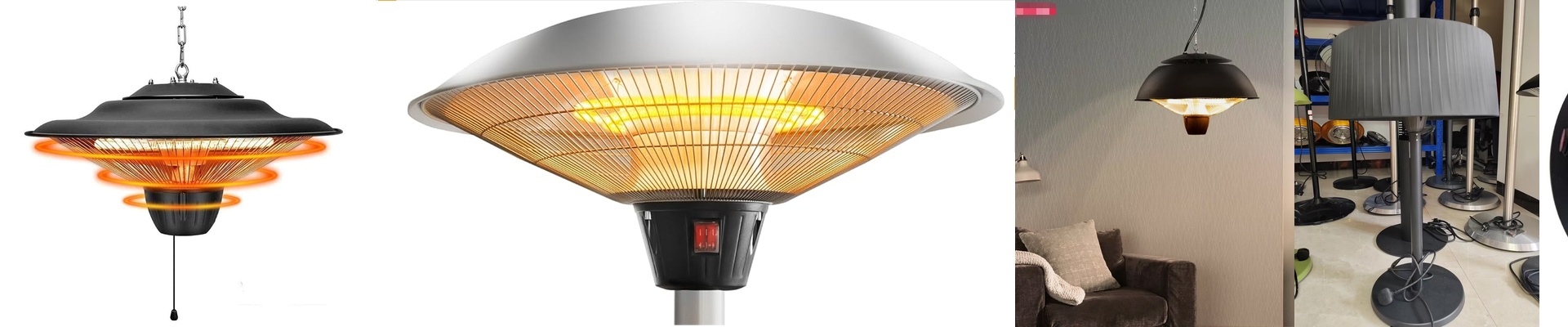
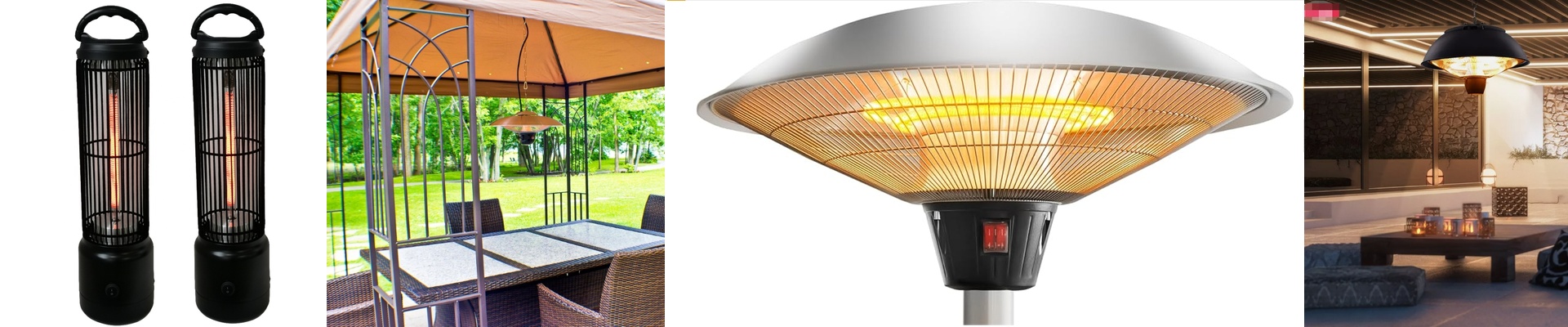
Stop Letting Your Patio Go to Waste in the Winter
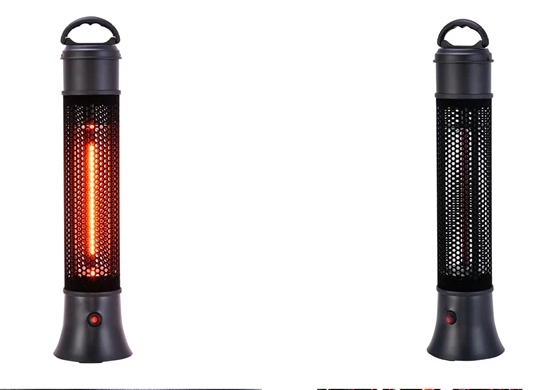
It’s a frustrating sight: a beautiful outdoor dining area sitting completely empty just because the temperature dropped a few degrees. Most people try to fix this with standard space heaters, but here’s the problem—they try to warm the air. In an open-air patio, that warm air just drifts away the second a breeze hits. You’re basically paying to heat the entire neighborhood. That’s why we use shortwave infrared. Instead of fighting the wind, infrared goes straight for the target. It warms your guests’ skin and clothes directly. It feels like sitting in a patch of sunlight on a crisp day. Immediate. Cozy. And it actually works. The gear that survives the elements You can’t just put any heater outside. Rain, humidity, and salt air will chew through cheap electronics in a heartbeat. We use IP-rated, sealed housing for a reason. It keeps the moisture out so you aren’t dealing with short circuits or burnt-out elements right in the middle of a Saturday night rush. We also lean toward high-wattage setups. Why? Because it gives you more flexibility. When the heat is dense enough, you don’t have to mount the units right on top of your guests’ heads for them to feel the warmth. A couple of things to keep in mind Now, there are some practical hurdles. First, these heaters pull a lot of power. You can’t just plug them into a regular wall outlet and hope for the best. You’ll probably need to beef up your wiring or add some dedicated circuits. Nobody wants to be the manager who has to tell a full patio of diners that the power just tripped. Then there’s the placement. If you hang them too high, the heat vanishes before it ever reaches the table. The trick is getting the angle just right. You want to create a little “bubble” of warmth around the seating. When people feel that warmth, they linger. They order another round of drinks. They stay for dessert. It’s a simple change that makes a massive difference in your bottom line.