
Why Shortwave IR is the Secret to Inline Glass Annealing
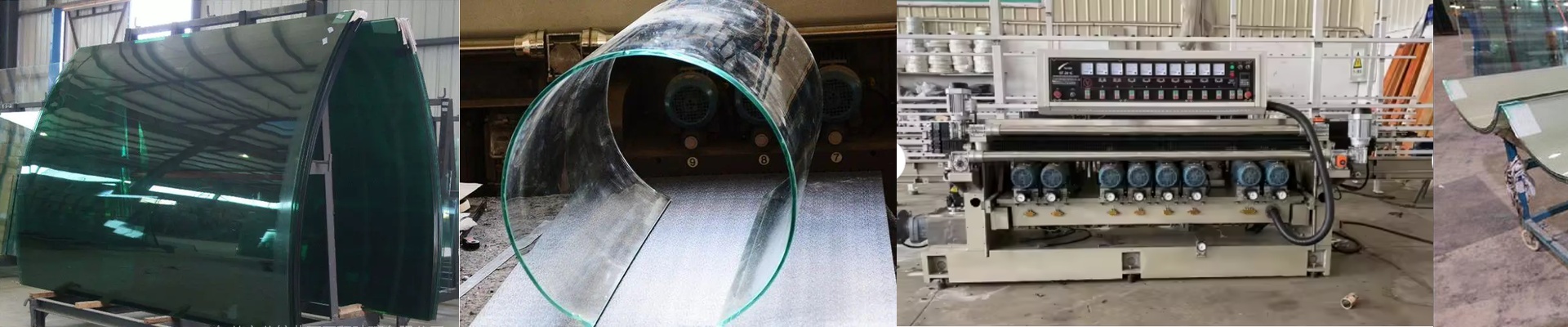
If you’re running a glass production line, you know the nightmare of stopping everything just to handle batch annealing. It kills your throughput. To keep things moving, you need heat that hits the target temperature instantly and vanishes just as quickly. That’s where shortwave infrared (SWIR) lamps come in. Unlike old-school convection, which tries to heat up all the air in a tunnel, these lamps use radiation. They go straight for the glass. It’s cleaner, faster, and way more efficient. The Need for Speed These lamps use a tungsten filament inside a halogen-filled quartz tube. It sounds technical, but here is what it actually does for you: it lets the filament get way hotter than a regular lightbulb. The heat density is massive. When you flip the switch, you’re at full power in milliseconds. This is a lifesaver when your conveyor speed fluctuates. If the line slows down, you just dim the lamps. No melted edges, no ruined batches—just a smooth flow. Finding the “Sweet Spot” Here is the tricky part: you can’t just shove these lamps right up against the glass. If they’re too close, you’ll get “hot spots.” Those little spikes in temperature create internal stress, which basically undoes all the hard work of annealing. But if you push them too far back, you’re just wasting energy heating up the machine frame. It’s all about finding that perfect distance where the heat hits the surface just right. The Trade-offs (The Honest Truth) Now, it’s not all magic. High-wattage SWIR lamps pull a lot of power. You can’t just plug these into a standard outlet and hope for the best. You’ll need a beefy SCR power controller to handle the switching, or you’ll be replacing burnt-out components more often than you’d like. And a word of warning: those quartz tubes are incredibly finicky. One greasy fingerprint or a smudge of oil on the glass, and the tube will crack the moment it hits high heat.**Keep them spotless.**If you don’t, they’ll pop, and you’ll be staring at a dead line.