

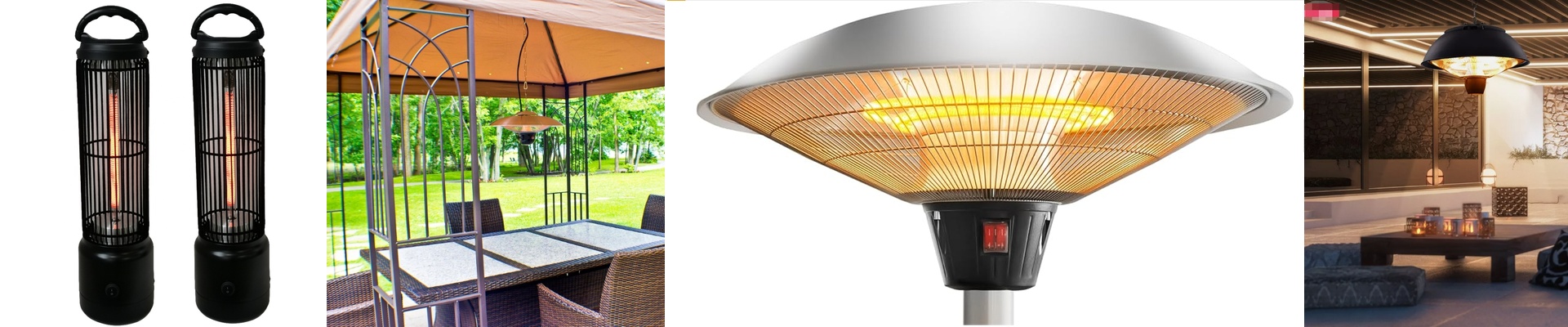


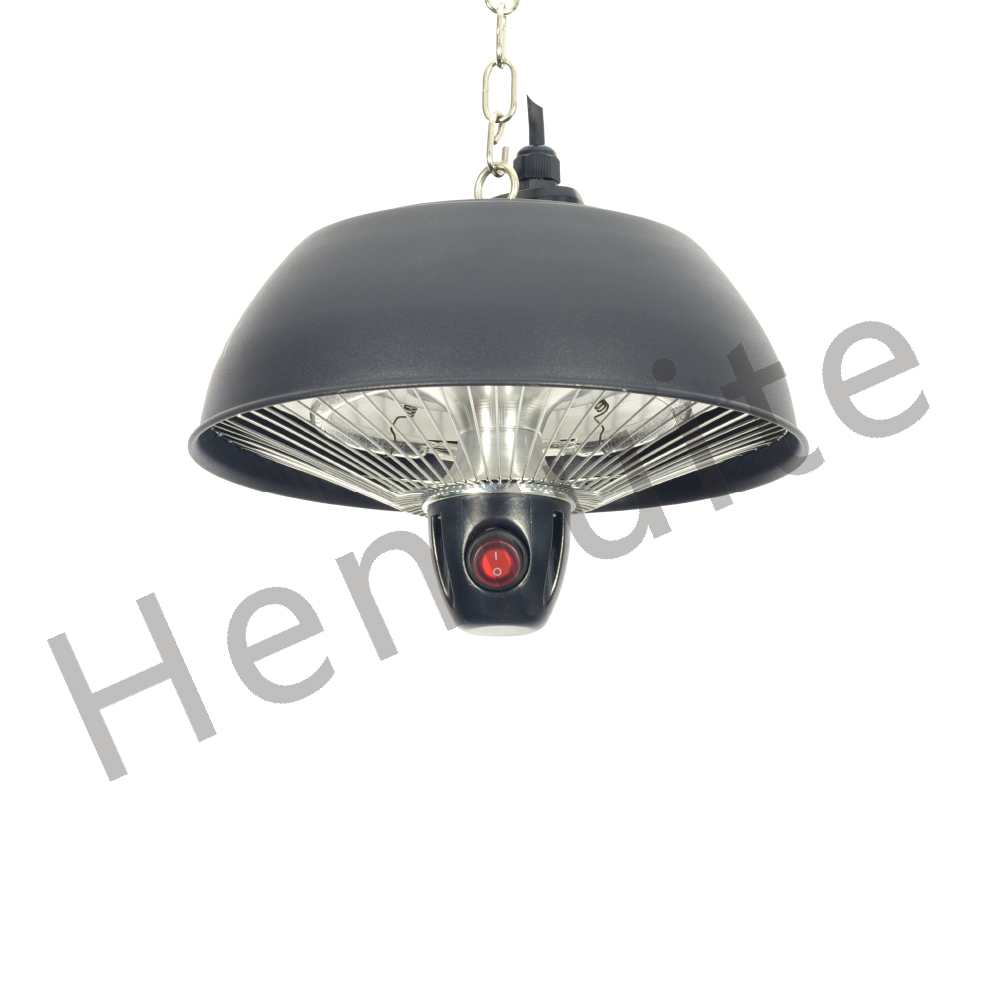
If you’re sneezing and rubbing your eyes every time the heat kicks on, it’s not just the cold—it’s the air. Forced-air systems churn up dust and dry things out, and that’s hard on noses and throats. An infrared room heater changes the feel because it warms without blowing air around, so the indoor climate stays calmer and cleaner.
What matters, technically
Infrared heaters warm objects and people directly, the way the sun warms your skin. Inside, a carbon fiber element or a quartz tube delivers gentle radiant heat—no fan to push particles around. You get steady warmth without the drying effect you often get with convection heating. Many models run on standard household voltage, pull modest current, and bring a room up to temperature in minutes. Built-in thermostats hold the setting, and tip-over protection plus cool-touch housings add a solid safety baseline.
Why this works for allergy-prone spaces
For anyone dealing with allergies, the real win is the air. Because infrared warmth doesn’t circulate air, it doesn’t lift dust, pollen, or pet dander from floors and furniture. The humidity stays more comfortable, so you avoid that dry, scratchy feeling that comes with conventional heaters. You feel cozy faster, with fewer temperature swings. The heat feels natural—like standing in a patch of sunlight—without the noise or the hard blast of hot air.
What to keep in mind
Infrared heaters perform best in well-insulated rooms and open-plan living areas where people tend to gather. They warm objects and people directly, so the surrounding air can feel a bit cooler compared to convection heating. For the best results, position the unit to hit the seating area and run it with a thermostat to keep comfort steady. Keep a clear safety perimeter, place the heater away from curtains and furniture, and choose a model rated for indoor use. Do that, and you keep the air cleaner, the heat gentle, and your home more comfortable.