

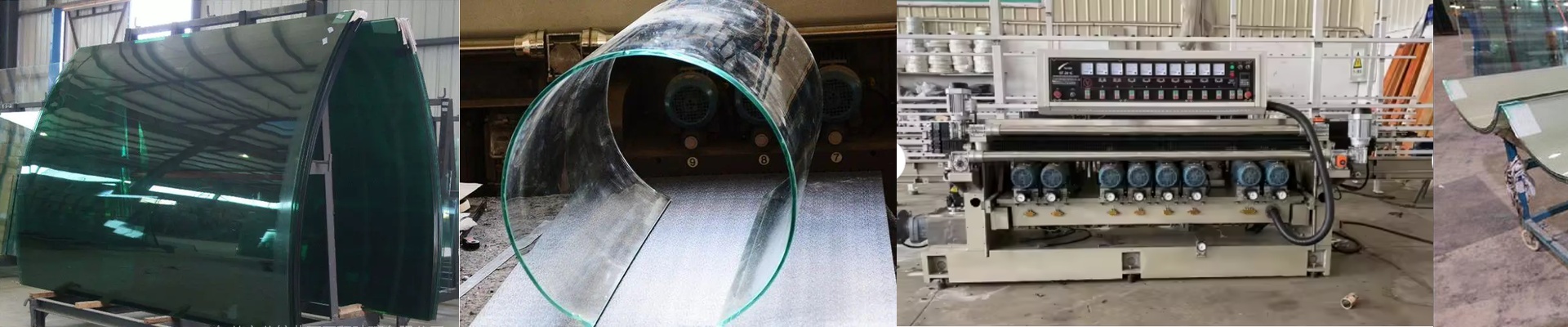

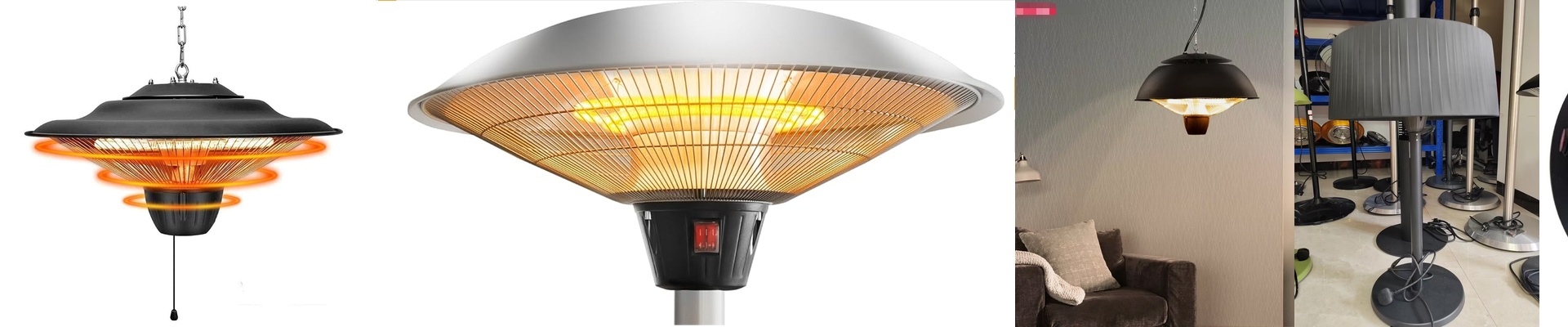
On the glass line, heat is more than temperature. It’s timing, control, and repeatability. If your heating module can’t deliver fast, stable, uniform energy, you pay for it in scrap: optical distortion, thermal stress fractures, and curvature that’s out of spec in tempering and bending. Tungsten filament quartz heaters were built to fix exactly that—rapid response and even radiant heat, right where the process needs it. What matters under the hood They use a tungsten filament inside a quartz envelope to put out short-wave infrared, heating the glass directly with minimal convection. That translates to fast ramp-up and tight temperature control—exactly what you need to hold a consistent thermal profile across multiple zones. Typical designs run at standard industrial voltages, fit common mounting footprints, and can be spec’d for specific power densities to match your line speed and glass thickness. The quartz tube handles thermal shock well, and the filament geometry gives you even distribution, which cuts down the hot spots that can mess up tempering or cause lamination bond issues. Why this works on the glass line In tempering, bending, lamination preheat, and coating drying, energy use and yield are tied together. These heaters trim waste by hitting setpoints fast and holding them with less drift, so cycle times shorten and rework drops. Energy consumption falls because they deliver heat on demand with high electrical-to-radiant efficiency—no steady losses from slower, convection-heavy systems. Fewer temperature swings mean fewer stress-induced breakages and more consistent optical quality. Maintenance looks better too: fewer moving parts and wear items than some conventional heating modules, so you get less downtime and fewer spares in the rack. Here are the practical details You need proper clearance and reflector alignment to get uniform irradiance and avoid localized overheating. Keep the environment clean; heavy dust or fume buildup reduces heat transfer and shortens service life. For drop-in retrofits, verify mounting, terminal configuration, and control compatibility with your cabinet and PLC setpoints. Schedule routine inspections of insulation, seals, and wiring so performance stays stable over long production runs.