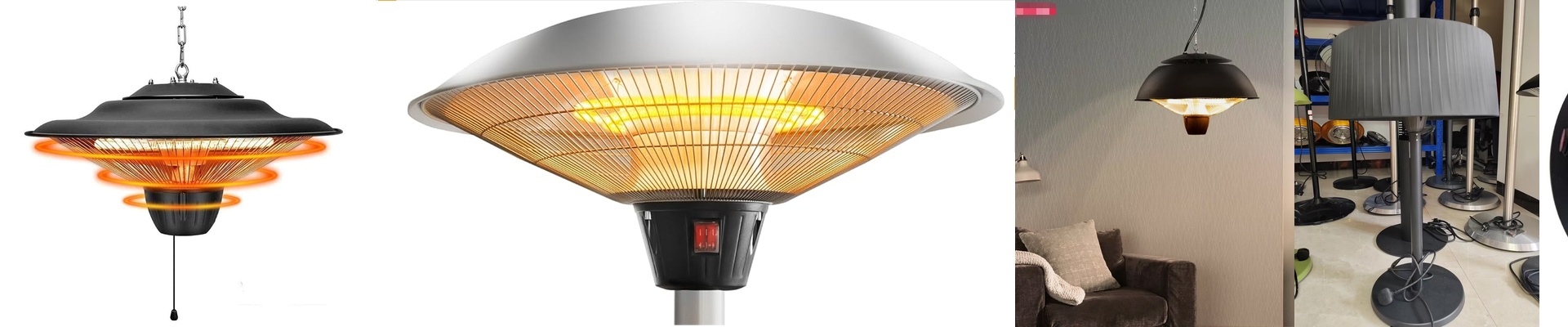
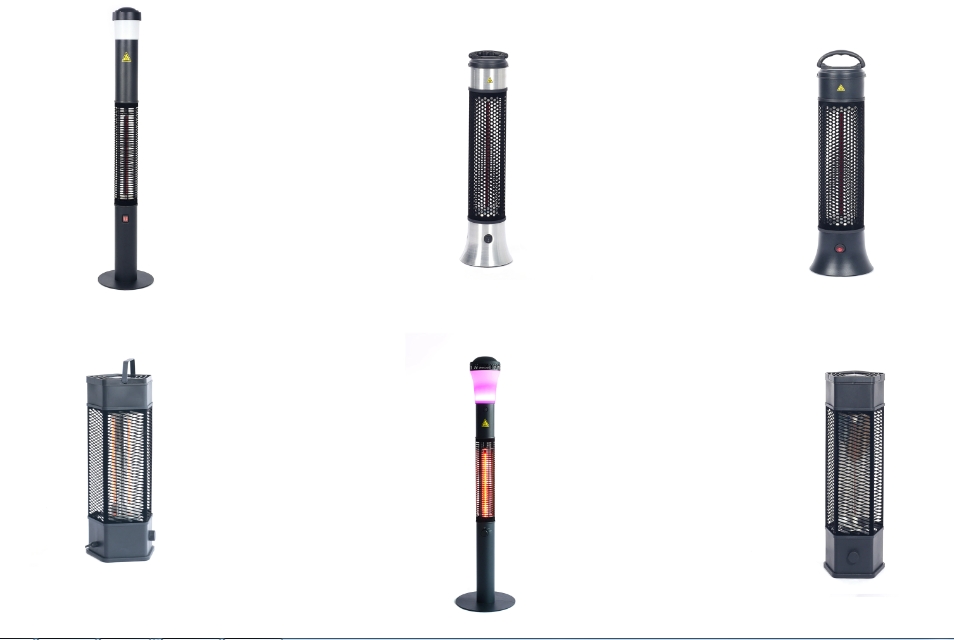
Why we use explosion-proof quartz in bathroom heaters
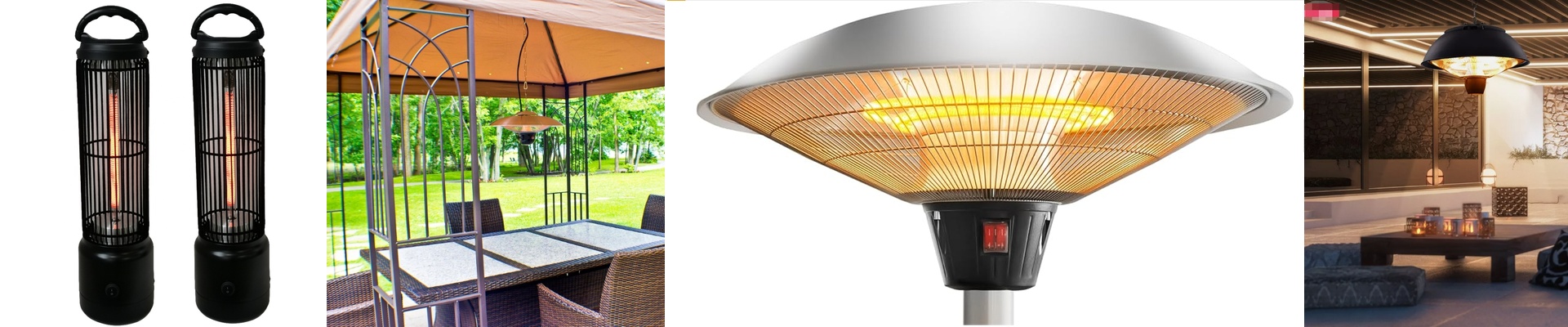
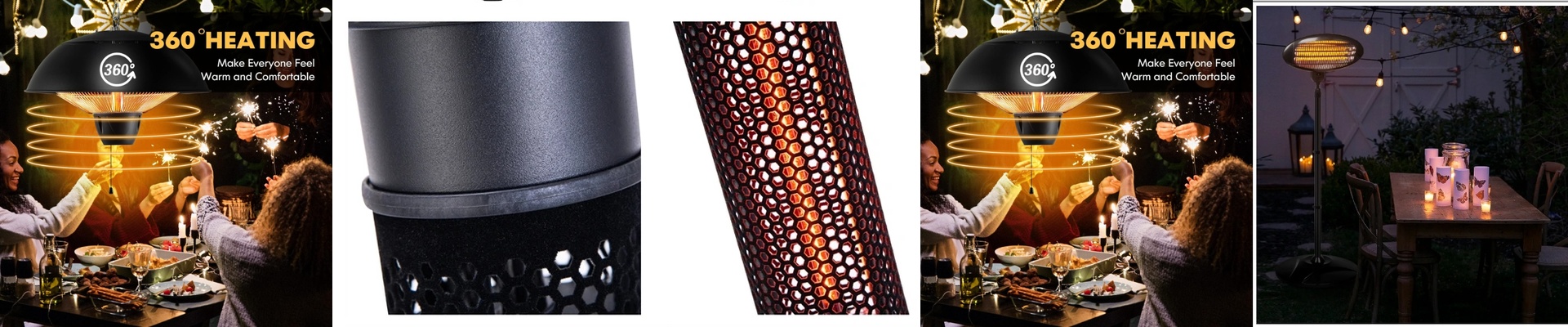
If you’ve ever picked out an infrared heater for a bathroom or a patio, you already know the biggest problem: water. Here is the reality. Most standard heating lamps can’t handle a splash. When a tiny, cold drop of water hits a white-hot surface, the glass goes through something called thermal shock. It doesn’t just crack—it shatters. Fast. That’s why we use explosion-proof quartz tubes. It’s all about stopping that disaster before it happens. The science of not breaking Standard quartz is decent, but it has a breaking point. In a steamy shower, the temperature difference between the glowing lamp and a stray droplet is massive. We use tubes that are tempered and mixed with specific additives. This makes the glass “tougher” so it can take a sudden temperature dive without snapping. And if the worst happens and a tube does fail? There’s a protective layer that keeps the fragments contained. No glass shards falling on you while you’re trying to dry off. Keeping the electrics dry Then there’s the IP55 rating. In plain English, that just means the housing is built to keep out dust and water jets coming from any angle. We pair that shell with a sealed assembly to make sure the electrical terminals stay bone-dry. If water sneaks into the wiring, you’re looking at a short circuit or a ground fault. Think of the IP55 shell as your first line of defense, and the explosion-proof tube as the final safety net. The trade-off Now, nothing is perfect. These tubes are great because they pump out high heat density—which is exactly what you want when you’re shivering in a drafty bathroom. But those safety coatings do change the infrared spectrum a bit. You might lose a tiny bit of heat penetration compared to a clear quartz tube, but honestly? For a small room, that tiny dip in efficiency is a fair price to pay for peace of mind. One quick tip: make sure your circuit breaker can handle the initial power surge these high-wattage elements need when they kick on. It’ll save you from the annoyance of a tripped breaker right when you need the heat most.