
Don’t Fry Your Ceiling: A Guide to Infrared Heater Placement
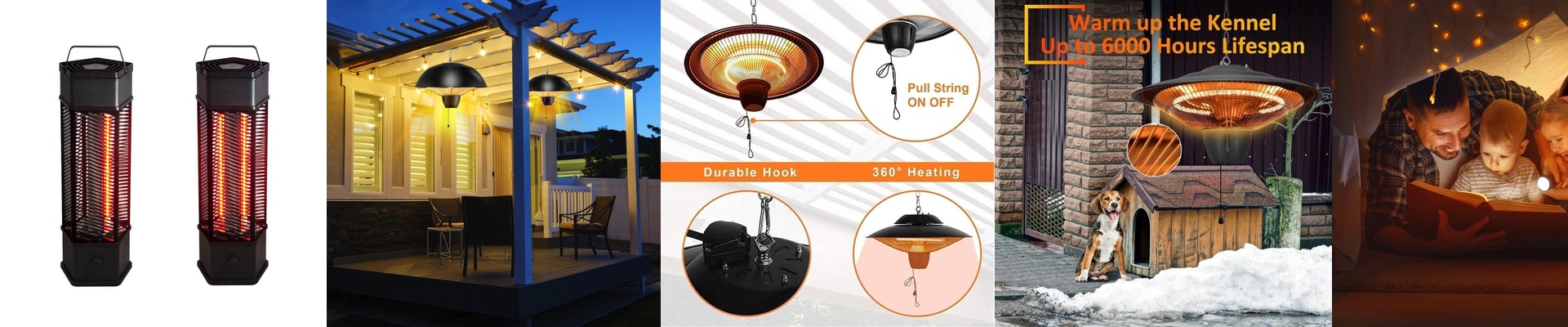
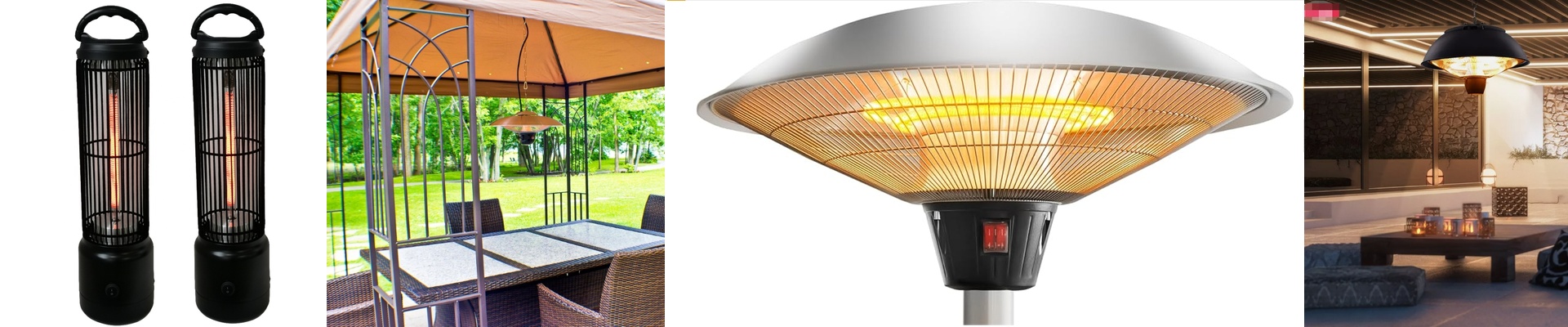
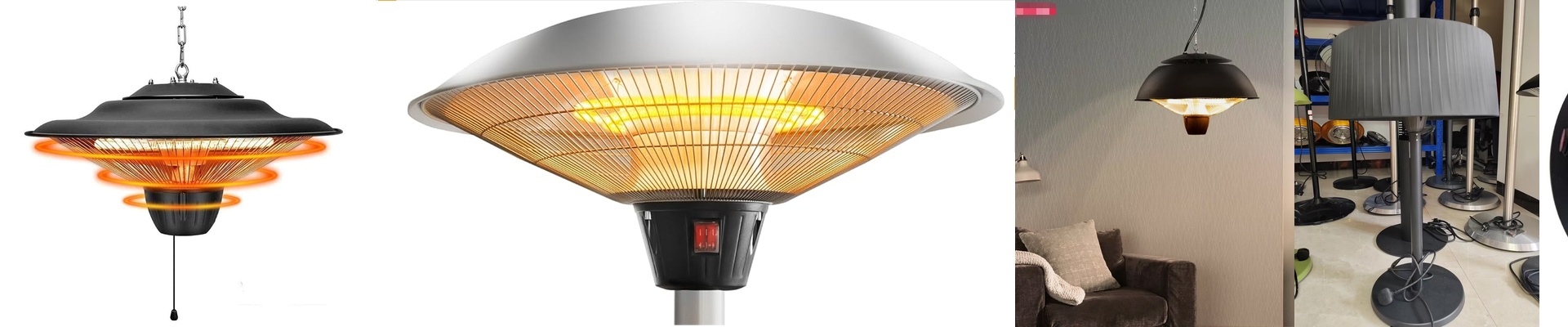
If you’re putting infrared heaters in a spot like a locker room, you can’t just slap them on the ceiling and call it a day. You’ve got to be careful about the gap between the heater and the roof. Here’s the deal: these things don’t just warm up the air. They shoot out radiant energy. If you mount them too close to the ceiling, you’re basically building a heat trap.
The “Feedback Loop” Problem
Infrared waves move in straight lines. They keep going until they hit something. When they hit a ceiling that’s too close, that surface soaks up the heat and starts bouncing it right back at the heater. It becomes a loop. We’ve seen this happen way too often—the unit gets way hotter than it was ever meant to be, and the heating element just burns out. It’s a waste of money and a giant headache. You usually need a gap of about 0.5 to 1 meter, depending on how powerful the unit is. This gives the hot air room to move and breathe. Without that space, you’re looking at warped ceiling tiles or, worse, accidentally triggering the sprinklers.
Getting the Warmth Right
In a locker room, people want to feel the heat the second they step in. That means you need a lot of power in a small space. But high-wattage heaters put a lot of stress on the building materials. My advice? Use reflectors. Angle that heat downward. It keeps the warmth on the people and off the ceiling. Everyone stays cozy, and your building stays intact.
The Trade-off
I get it. Mounting things higher or tighter looks sleeker. It keeps the footprint small. But there’s a price for that look: your lamps won’t last nearly as long. If you’re stuck with a low ceiling, you’ve got a few options. You can use lower-wattage tubes, or just set up a timer so the unit isn’t running constantly. And for peace of mind? Wire in a thermal cutout switch. That way, if the ceiling temperature spikes for some reason, the unit just shuts itself off before anything actually melts.