

Why Your Bathroom Needs More Than Just a Heater
Most of us see those heat lamps in the ceiling and just think, “Nice, I won’t freeze when I step out of the shower.” But there’s actually some pretty cool science happening above your head that has nothing to do with just keeping you warm. It’s really about fighting a war against moisture.
The secret to dry walls
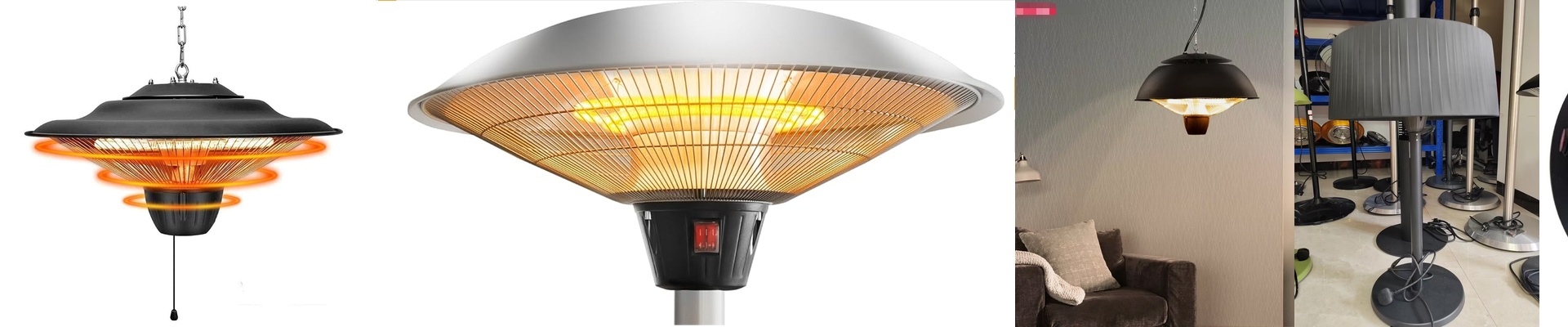
These lamps use something called shortwave infrared. Now, don’t let the jargon throw you—here is the simple version: most heaters just warm up the air. Air is fickle. It moves around and cools down fast. These lamps are different. They shoot energy straight down into your walls and floors. It hits the surface and creates a quick burst of heat. This forces the water to evaporate almost instantly, before it has a chance to sink into your grout or hide under your silicone seals. It’s fast. Really fast. And that’s what keeps your bathroom from feeling like a swamp.
Stopping mold before it starts
We all know the struggle with mold. It loves stagnant air and damp corners. By keeping your surfaces hot and dry, you’re basically taking away the mold’s food and water. If the surface stays above the dew point, the spores just can’t get a foothold. And for the high-end tubes, it’s not even just about the heat. Some of them put out a specific kind of light that actually breaks down the cellular structure of fungi. It’s like a little bit of sanitizing power built right into your lighting.
A few things to watch out for
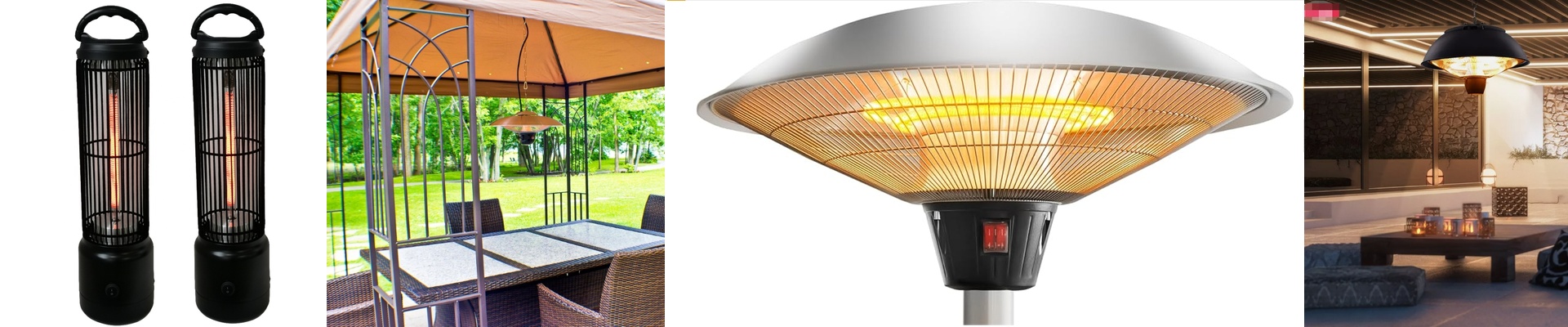
If you’re installing these, you can’t just wing it. You’ve got to match the wattage to your room size. A 500W lamp is plenty for a tiny powder room, but if you’ve got a big master bath, you’ll need a few of them. Otherwise, you’ll end up with “cold spots” where mold can still sneak in. One last thing—these things gethot. Like, really hot. If you mount them too close to plastic vents or cheap PVC trim, you might actually warp your fixtures. Just make sure your ceiling housing can handle the heat and use high-temp wiring. You don’t want your insulation burning out after a few months of use.