The Tug-of-War Between Sharp Prints and Strong Glass
If you’ve ever tried to combine silk-screen printing and tempering in one go, you know it’s a bit of a balancing act. It’s basically a fight with physics. You need enough heat to lock that ink in place, but if you push it too far, the pattern starts to bleed or the glass warps. It’s frustrating. That’s why we use twin-tube infrared heating elements. They just handle the heat better.
Why the twin-tube setup works
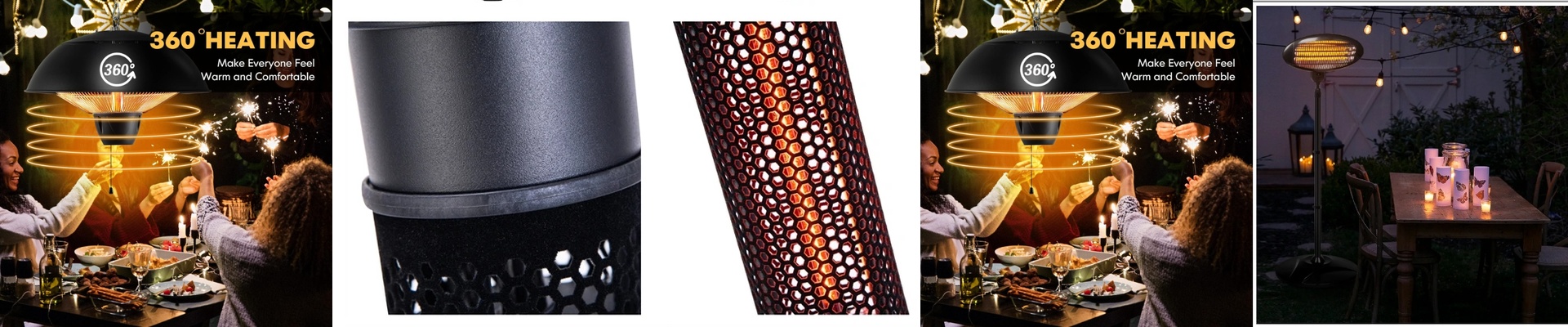
Most people start with single-tube lamps, but those are notorious for creating hot spots. One tiny area gets too hot, and suddenly your crisp pattern is ruined. Our twin-tube design changes that. It basically doubles the surface area where the heat comes from without taking up more space. Instead of hitting the glass with “hot needles” of energy, it spreads the heat out evenly. You get the temperature you need without those scorched, discolored patches in your ink.
Getting the strength right without the burn
The real trick is hitting that tempering point while keeping the ink stable. With twin-tube elements, we can tweak the wattage and voltage to get the heat flow just right. You get a high-density output, which means the glass gets strong and the internal stress is gone. But because the heat is spread wider, you don’t get that “burn-through” effect that kills your design. Now, keep an eye on your conveyor speed. If you slow the line down to make sure the glass is tough enough, you might blur the ink. Speed it up too much? The glass won’t temper. It’s a tight window. We usually suggest pairing these elements with a solid PID controller to keep things steady.
A few things to keep in mind
Here is the catch: twin-tube systems pull more power. You can’t just swap these into an old setup and hope for the best. Check your wiring and your breakers first to make sure they can handle the extra current draw. And please, don’t ignore your ventilation. These things put out a massive amount of radiant heat. If that heat just sits in the lamp chamber, your elements are going to burn out way faster than they should. Keep the air moving, and your gear will last a lot longer.