
Getting Your Quartz Annealing Right
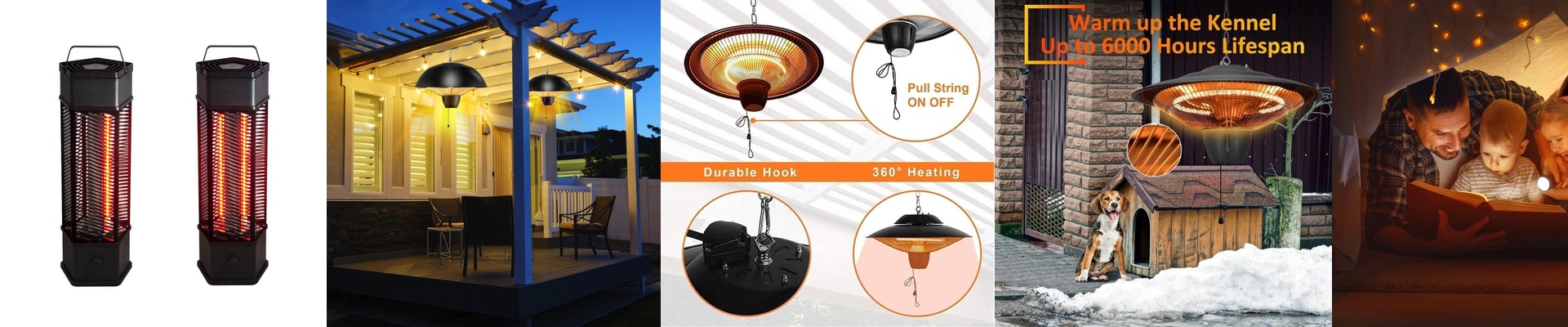
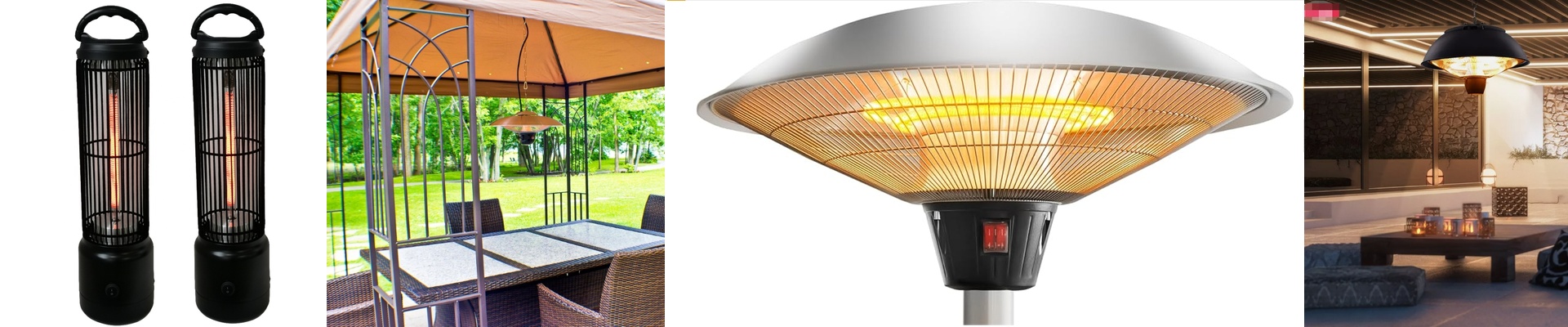
When you’re crafting lab-grade glass, there’s nothing worse than the moment a vessel shatters under vacuum. It’s gut-wrenching. Usually, it happens because of internal stress that got trapped during the forming process. If you don’t bleed that stress out with a steady, controlled soak, the glass is basically a ticking time bomb. That’s why we use infrared (IR) elements with 0.1°C precision. It’s about control.
Why that 0.1°C actually matters
Most heating elements are too jumpy. They swing back and forth. If you overshoot your temp by even 5°C, you might accidentally put that stress right back into the glass. Quartz is finicky. It has a low coefficient of thermal expansion, which is just a fancy way of saying it doesn’t like sudden jumps. You need a heat source that hits the mark and stays there—no “hunting” for the setpoint, no wobbling. We pair short-wave IR emitters with high-frequency PID controllers to fix this. The heat hits the glass wall instantly. You get a smooth, even thermal profile across the whole tube. No cold spots. No weird gradients. Just steady heat.
The balancing act
The goal is to keep the glass exactly at the annealing point. You want it just soft enough for those internal stresses to relax, but not so soft that the whole thing starts to sag. It’s a tight window. If your IR element drifts, you’re essentially “freezing” the stress into the material. Now, these systems are built to be compact. The IR lamps pack a lot of punch, so you can ramp up the heat fast. But here’s the catch: all that power creates a lot of waste heat. If you don’t get your cooling fans and housing just right, you’ll end up baking your own electronics.
Making it work in the shop
To get this running, you wire the elements into a closed-loop system with a pyrometer. The beauty of it is the speed. The IR lamp reacts in milliseconds to what the sensor sees. It kills the lag you usually get with those old resistive heating coils. It’s a simple, drop-in way to stop stress-fractures before they ever happen.