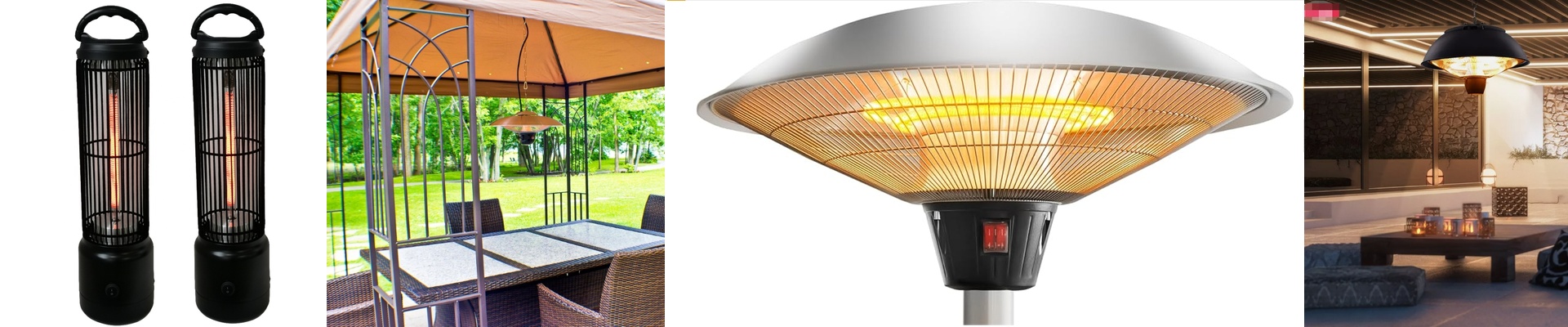
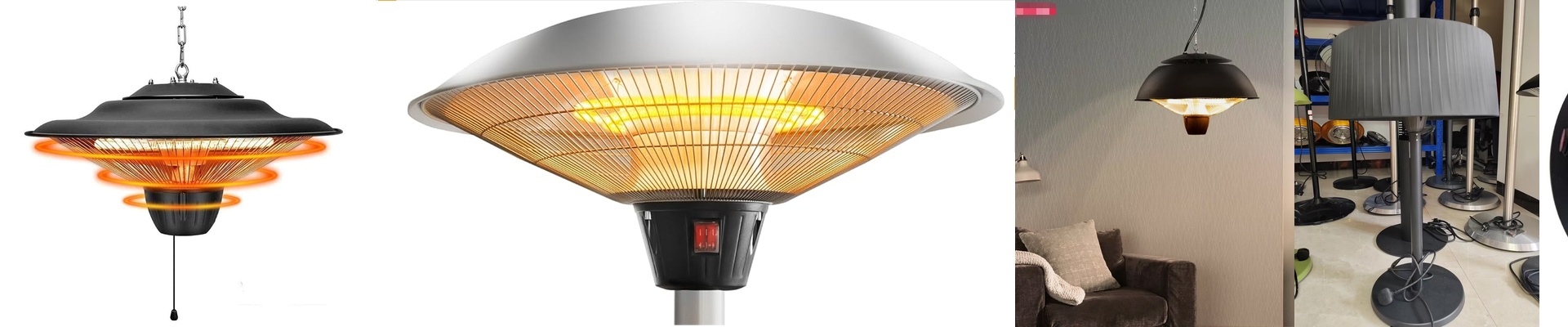

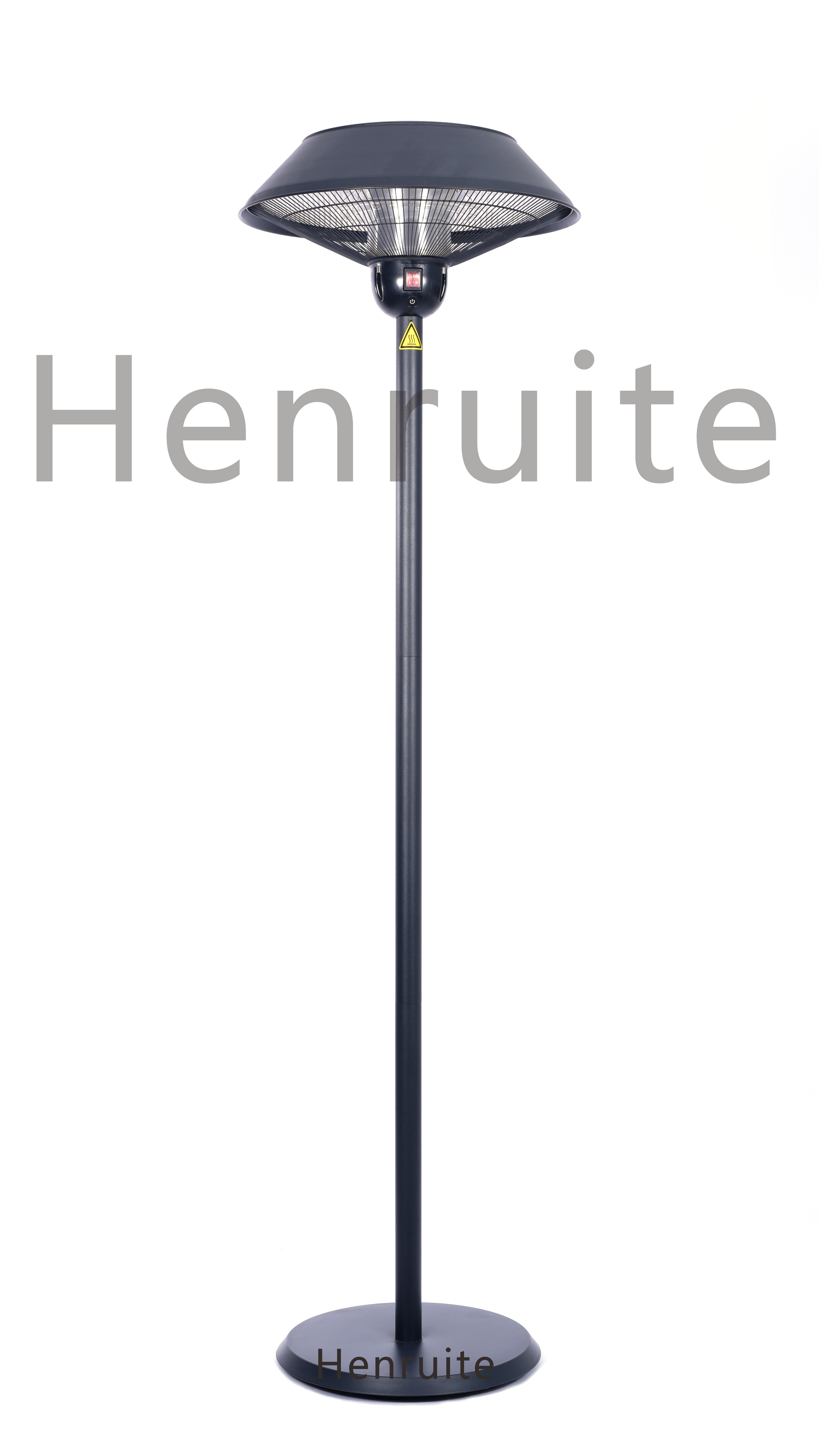
Why those old bathroom lamp warmers just aren’t cutting it anymore
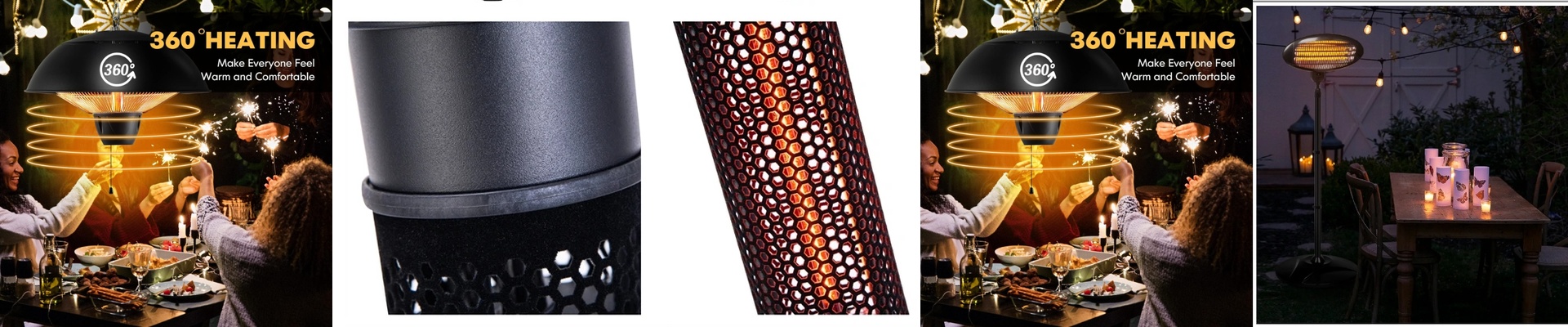
Let’s be honest: most of those old-school bathroom “lamp warmers” are kind of a joke. They usually rely on basic quartz tubes that aren’t sealed for anything. The problem is that bathrooms are brutal. Between the steam and the splashes, moisture gets everywhere. It seeps into the housing, shorts things out, or—my personal favorite—shocks the glass until it cracks. It’s why so many of them burn out way too fast. That’s why we’ve shifted toward high-standard waterproof infrared heaters. They actually handle the humidity and the direct spray of a shower without giving up the ghost. The secret is in the seal You’ll see a lot of talk about “IP ratings.” In plain English? It’s just a measure of how good the heater is at keeping water out of the electronics. We use sealed gaskets and housings that don’t rust. This isn’t just about making sure you’re safe; it’s about making the thing last. When water vapor hits a hot element, it leaves behind mineral deposits. Think of it like the crusty buildup in a kettle. Eventually, those spots get too hot, and the tube snaps. A fully sealed system stops that from happening in the first place. Heat you can actually feel Most heaters try to warm up the air. But in a bathroom, the air is always moving. You feel a bit of warmth, then a draft hits, and you’re shivering again. Infrared is different. It doesn’t bother with the air. Instead, it sends out waves that heat your skin and the walls directly. It’s like stepping into a patch of sunlight on a cold day. You feel it immediately. It’s perfect for drafty bathrooms because the heat stays where it belongs—on you. One quick warning on installation Here is the catch: these units pull a lot more power than a simple light bulb. You can’t just swap a bulb for one of these and call it a day. You’ll need a dedicated line and a GFCI breaker to keep everything safe in a wet zone. If your wiring is too thin, the heater won’t get hot enough, and you’ll be left wondering why it’s not working. Just make sure your electrical specs are dialed in before you start drilling holes in the wall.