Dealing with Heat in Wet Spaces
If you’ve ever tried to heat a locker room or a changing area, you know it’s a nightmare. You’re fighting a losing battle against humidity and that biting chill that seems to soak into everything. Most heaters just can’t hack it—moisture creeps into the guts of the machine and fries the circuitry. That’s why we stick with IPX5 rated infrared heaters. In plain English? It means you can practically spray the thing with water from any angle and it won’t short out. It just keeps working.
Why it actually feels warm
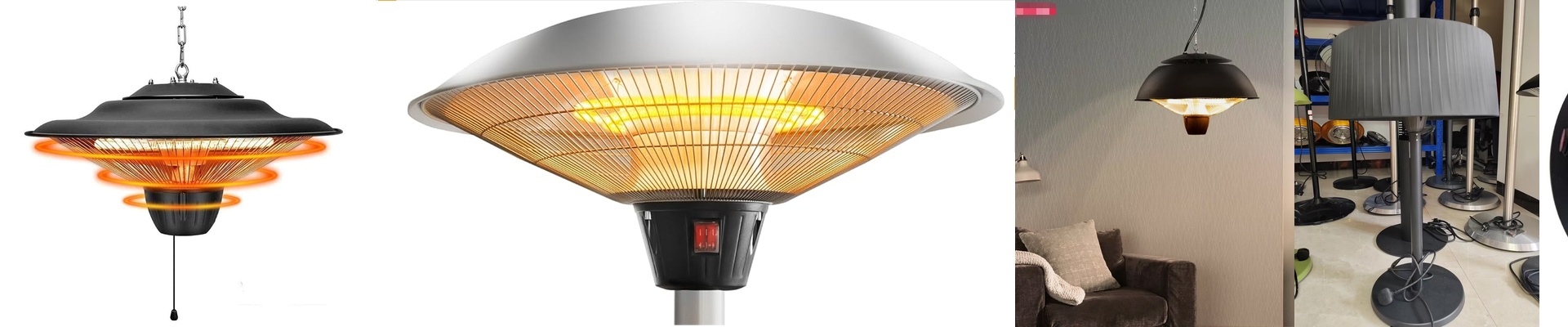
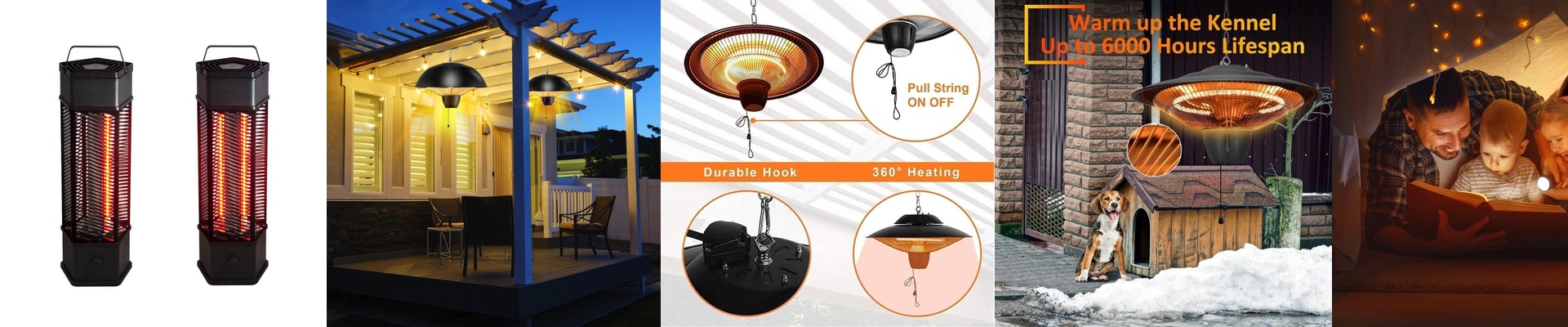
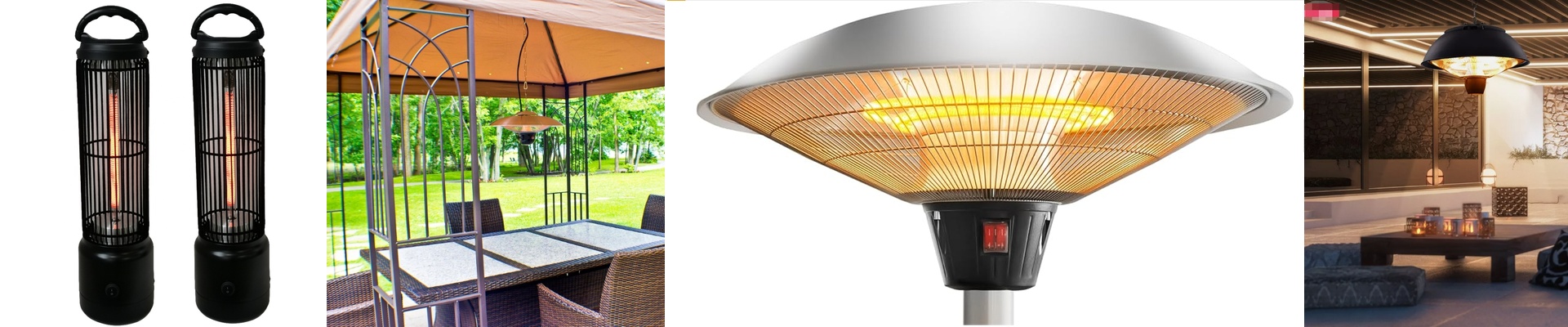
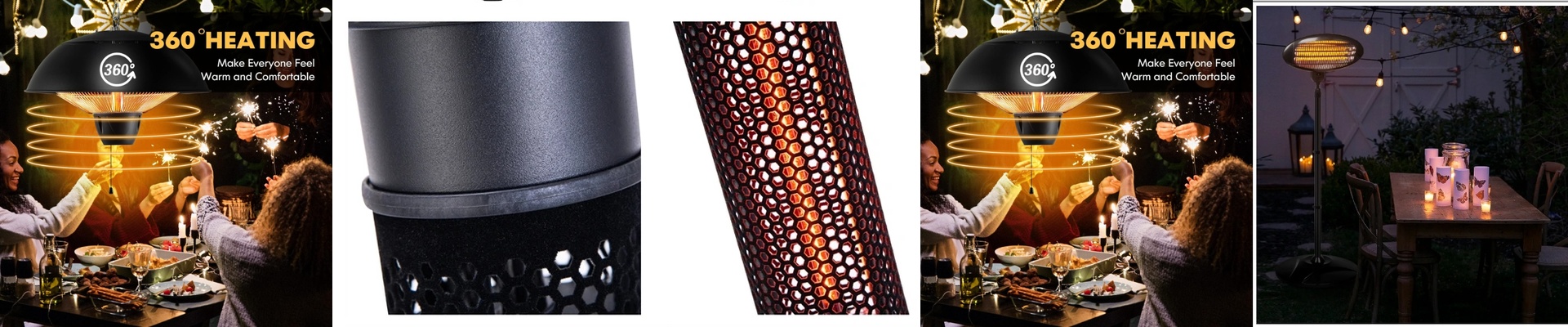
Here is the secret: we aren’t trying to heat the air. That’s a waste of time. Instead, we heat the person. These units use short-wave infrared. The energy moves in a straight line and hits you instantly. It’s the difference between waiting for a giant room of freezing air to slowly warm up and feeling that immediate, cozy glow the second you step under the lamp. It’s fast. Really fast.
How we keep the water out
To get that IPX5 rating, we don’t take any shortcuts. We seal the heating elements and electrical joints with heavy-duty gaskets and coatings that literally push water away. The housing is shaped to shed water quickly so it doesn’t pool up around the vents. We also use specific alloys for the reflectors because, in a steamy environment, cheap metal pits and corrodes. These don’t.
A few things to watch out for
You can wire these up in parallel to cover a big area, but keep an eye on your power. High-wattage infrared arrays pull a lot of current. If your breakers aren’t spec’d for the total load, you’ll be spending your afternoon resetting them. And a pro tip on placement:don’t hang them too low. Because the heat is so direct and intense, mounting them too low creates “hot spots.” Nobody likes feeling like they’re being grilled while they’re trying to put on their socks. Get the height right, or you’ll be fielding complaints about the room being “too hot” in one spot and freezing in another.